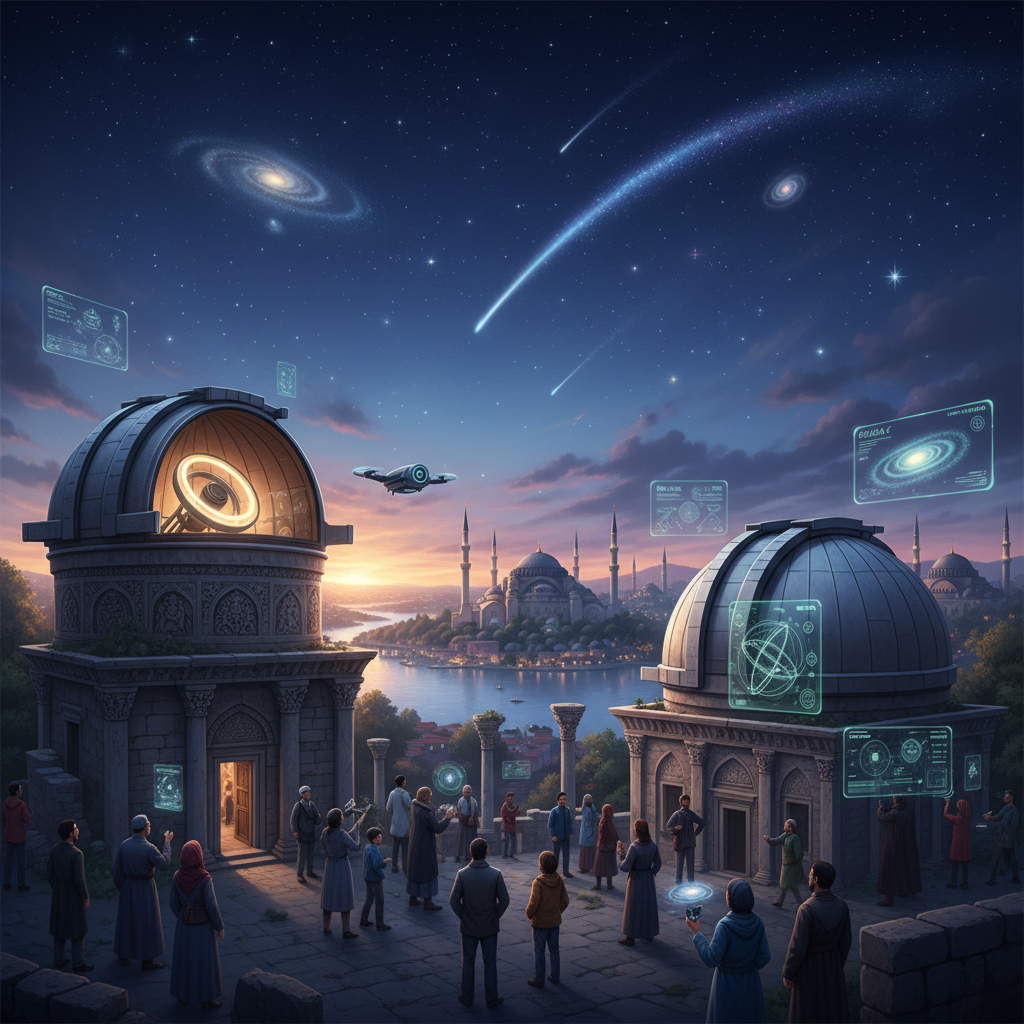
Istanbul Astronomy Travel: Stargazing & Cosmic Exploration 2026
Embark on an unforgettable journey through the celestial wonders of Turkey's vibrant metropolis with our guide to Istanbul astronomy travel. In 2026, Istanbul continues to offer a unique blend of historical richness and burgeoning astronomical interest, making it a prime destination for stargazers and cosmic enthusiasts alike. Whether you're a seasoned astronomer, an aspiring astrophotographer, or simply captivated by the night sky, Istanbul provides an incredible backdrop for exploring the universe. From ancient observatories to modern sky-gazing events, this city truly offers a cosmic canvas waiting to be explored. For more specific insights into magical night views, delve into Istanbul's Celestial Spectacles: Stargazing and Night Photography Spots for 2026.
The Historical Roots of Istanbul Astronomy Travel
Istanbul's connection to the cosmos runs deep, stretching back centuries. Its strategic location at the crossroads of continents made it a melting pot of scientific knowledge, including astronomy. Understanding this rich past enhances any Istanbul astronomy travel experience.
Ancient Observatories and Early Islamic Astronomy
The Islamic Golden Age saw significant advancements in astronomy, with brilliant minds making groundbreaking observations and calculations. While the famed Istanbul Observatory of Taqi al-Din, established in the 16th century, met an unfortunate end, its brief existence showcased the city's commitment to scientific inquiry. Modern research continues to uncover fascinating details about this and other less prominent observational sites from Ottoman times. Indeed, you can:
- Discover the legacy of polymaths who contributed to astronomical tables and instrument design.
- Learn about the impact of celestial observations on timekeeping and religious practices.
- Explore historical texts and records that shed light on Istanbul's scientific past.
Byzantine Contributions to Celestial Understanding
Even before the Ottoman era, the Byzantine Empire, with its capital in Constantinople (modern-day Istanbul), had its own traditions of astronomical study. These pursuits were often intertwined with philosophy and theology. These early intellectual endeavors laid some groundwork for later scientific efforts in the region. Although physical observatories are scarce from this period, textual evidence points to an ongoing interest in the heavens. This rich history enriches your Istanbul astronomy travel. To truly grasp the historical layers, exploring Istanbul's 'Sleeping Giants': Unearthing the City's Geologic Wonders and Ancient Earthquakes in 2026 can provide even more context on the city's ancient phenomena.
Modern Opportunities for Istanbul Astronomy Travel in 2026
Fast forward to 2026, and Istanbul offers a vibrant scene for contemporary astronomy enthusiasts. Despite substantial light pollution, dedicated groups and institutions provide ample opportunities to explore the night sky during your Istanbul astronomy travel.
Public Observatories and Planetariums
Several institutions now offer public access to telescopes and planetarium shows, making astronomy accessible to all. These venues are essential stops for anyone planning Istanbul astronomy travel. For instance, consider these options:
- Istanbul University Observatory: While primarily a research facility, they occasionally host public events and lectures. Keeping an eye on their schedule is advisable for visitors.
- Rahmi M. Koç Museum Planetarium: This excellent museum often features engaging planetarium shows, offering a simulated journey through the solar system and beyond. It’s suitable for families and adults alike.
- Istanbul Museum of the History of Science and Technology in Islam: Though not an observatory, this museum beautifully showcases historical astronomical instruments and concepts. It provides brilliant context for practical stargazing.
Astrophotography Hotspots for Istanbul Astronomy Travel
Capturing the beauty of the cosmos through a lens is a growing passion. While urban centers present challenges, there are spots within reach of Istanbul suitable for astrophotography. These locations are perfect for those prioritizing Istanbul astronomy travel with a camera in hand. You might explore:
- Rural Areas of the Çatalca District: Venturing west of the city, away from the intense light dome, offers darker skies. Seek elevated points or open fields for the best views.
- Riva and Şile Coasts: The Black Sea coast, particularly facing north-east, can offer relatively darker horizons. This is especially true for capturing coastal landscapes under starry skies.
- Izmit Gulf & Surrounding Hills (Kocaeli): This requires a slightly longer drive, but the areas around Izmit and the Samanlı Mountains offer significantly less light pollution and diverse terrain for landscape astrophotography.
Always remember to check moon phases, weather forecasts, and light pollution maps (like Bortle Scale) when planning your astrophotography expeditions. Prioritize safety, especially when visiting remote locations at night. This is crucial for successful Istanbul astronomy travel. For more general photography tips, check out Istanbul's 'Seven Hills' & Hidden Vistas: Discovering Panoramic Photography Spots.
Astronomical Events and Societies for Istanbul Astronomy Travel 2026
Staying connected with local astronomical communities can greatly enhance your Istanbul astronomy travel experience. These groups often organize observation nights, workshops, and lectures.
Local Astronomical Societies and Clubs
Istanbul is home to several active amateur astronomy clubs that welcome new members and visitors. These societies are fantastic resources for finding local dark sky sites and learning from experienced observers. The Istanbul University Astronomy and Space Sciences Department is also a hub for information and events, often collaborating with amateur groups. Attending their public talks or workshops can be incredibly insightful for any astronomy enthusiast.
Meteor Showers and Planetary Conjunctions in 2026
Be sure to check the astronomical calendar for 2026 using resources like Time and Date's Meteor Shower Calendar. Major meteor showers like the Perseids (August) and Geminids (December) offer spectacular viewing opportunities, especially from darker locations outside the city center. Additionally, planetary conjunctions and eclipses are noteworthy events that can be enjoyed with basic equipment or the naked eye, even from within the city with clear views. Planning around these events will enrich your Istanbul astronomy travel.
Practical Tips for Your Istanbul Astronomy Travel
To make the most of your cosmic adventure in Istanbul, consider these practical recommendations.
Navigating Light Pollution for Istanbul Astronomy Travel
Istanbul is a vast, brightly lit city, which presents its biggest challenge for stargazers. To combat this during your Istanbul astronomy travel:
- Head to higher elevations or coastal areas away from major urban centers.
- Use light pollution maps, such as those found on LightPollutionMap.info, to identify the darkest accessible spots.
- Focus on observing brighter objects like the Moon, planets, and brighter star clusters when within city limits.
Even with substantial light pollution, a good pair of binoculars can reveal much more than the naked eye, making it a valuable tool for any Istanbul astronomy travel. Consider also how Sustainable Travel Tips for 2026 can help keep light pollution in check for future generations of stargazers.
Essential Gear for Stargazing and Astrophotography
Depending on your interest, your gear might vary for your Istanbul astronomy travel. For basic stargazing, start with:
- A comfortable chair or mat.
- Binoculars (7x50 or 10x50 are excellent for beginners).
- A red-light flashlight to preserve night vision.
- Star charts or a mobile astronomy app.
- Warm clothing, even on seemingly mild nights.
For astrophotography, you'll need a DSLR or mirrorless camera, a sturdy tripod, a wide-angle fast lens, and potentially an intervalometer or star tracker. Researching local photography groups can offer valuable insights specific to Istanbul astronomy travel. The global astronomy community portal, Astronomy.com, is also an excellent resource for general gear recommendations and guides.
Your Istanbul astronomy travel experience in 2026 promises to be a captivating blend of ancient history and modern celestial exploration. Whether you're marveling at historical instruments in a museum or gazing at distant galaxies from an elevated viewpoint, Istanbul truly offers a unique perspective on our place in the universe. Plan your trip, look up, and let the cosmic canvas of this magnificent city unfold before your eyes.