Istanbul Fashion History: From Byzantine Silks to 2026's Designs
Delving into Istanbul fashion history reveals a rich tapestry woven with threads of empires, cultural exchanges, and evolving aesthetics. From the opulent courts of Byzantium to the cutting-edge designs gracing runways in 2026, Istanbul has consistently been a vital hub for textile innovation and sartorial elegance. Indeed, this ancient city, straddling two continents, has absorbed and reinterpreted fashion trends for centuries, leaving an indelible mark on global style.
For those interested in the broader artistic and design landscape of the city, our article on Istanbul's Time-Bending Architecture offers a compelling parallel, showcasing how ancient grandeur meets modern marvels.
The Byzantine Era: Early Influences on Istanbul Fashion History
The Byzantine Empire, with Constantinople (modern-day Istanbul) as its luminous capital, was a center of luxury and artistic expression. This deeply influenced Istanbul fashion history. Silks, often imported from the East and then elaborately woven and embroidered, were a hallmark of imperial attire. These garments were not merely clothing; they were powerful statements of status, wealth, and faith.
The intricate designs and precious materials used in Byzantine textiles offer a glimpse into the city's rich past, much like exploring Istanbul's Urban Legends & Mythical Charms reveals hidden stories of the city.
Imperial Splendor and Symbolism in Byzantine Attire
Byzantine fashion was characterized by rich fabrics, vibrant colors, and intricate embellishments. Emperors and empresses wore heavy, flowing robes, adorned with pearls, precious stones, and shimmering gold thread. Mosaics from this period vividly depict these elaborate ensembles, showcasing the era's dedication to grandeur.
- Dalmatics and Stolas: These draped garments, often made of silk or linen, were common for both men and women.
- Opulent Brocades: Byzantium was renowned for its silk brocades, often featuring religious motifs, mythological creatures, or geometric patterns.
- Headwear: Elaborate crowns for royalty and various turbans or veils for commoners reflected social status.
Ottoman Grandeur: Shaping Istanbul Fashion Through Centuries
With the rise of the Ottoman Empire, starting in the 15th century, Istanbul fashion history underwent another profound transformation. The Ottomans brought with them a distinct aesthetic, blending Central Asian traditions with Islamic influences and a touch of Persian splendor. Consequently, the Topkapı Palace workshops became legendary for producing textiles of unparalleled quality and beauty.
To fully appreciate the scope of this historical influence, one might explore Major Art Galleries and Museums in Istanbul, which often house impressive textile collections from this period.
Sultanic Styles and Courtly Attire
Ottoman court fashion was a spectacle of luxury. Sultans and their families wore kaftans made from the finest silks, velvets, and brocades, often embroidered with gold and silver thread. The designs were often symbolic, incorporating floral motifs like tulips and carnations, which were highly revered.
Moreover, the layering of garments was crucial in Ottoman fashion, providing both warmth and an opportunity for elaborate display. Such historical styles continue to inspire designers in 2026, particularly those seeking to infuse their collections with timeless elegance. The intricate processes involved in creating these textiles connect deeply with the subject of Istanbul's Vanishing Trades: Documenting the City's Last Traditional Artisans in 2026.
- Kaftans: Long, flowing robes with wide sleeves, worn by both men and women, differing in cut and embellishment based on status.
- Şalvar: Loose-fitting trousers, a practical and comfortable garment adopted from nomadic traditions.
- Headwear: Turbans of various sizes and elaborate designs were a significant part of male attire, while women often wore headscarves and veils.
Westernization and Modernization: 19th and 20th Century Shifts in Istanbul Fashion
The 19th century ushered in an era of significant change for Istanbul fashion history, as the Ottoman Empire began to open up to Western influences. Reforms like the Tanzimat era encouraged the adoption of European styles, particularly among the elite. Fez hats replaced traditional turbans for men, and women gradually embraced fitted silhouettes and bonnets.
From Traditional to European Silhouettes
The early 20th century saw a continued acceleration of Western fashion trends. With the founding of the Republic of Turkey in 1923, secular reforms further propelled the shift away from traditional Ottoman dress. Mustafa Kemal Atatürk's Hat Law, for instance, mandated the adoption of Western-style hats, signifying a break from the past and a move towards modernity.
By the mid-20th century, Istanbul's fashion scene largely mirrored that of major European capitals, albeit with a unique local flair. Boutiques showcasing the latest trends emerged, and local designers began to interpret global styles through an Anatolian lens. This period laid the groundwork for Istanbul's current vibrant fashion industry, enriching its fashion history.
Istanbul's Contemporary Fashion Identity: From Local Artisans to Global Runways in 2026
Today, Istanbul fashion history is characterized by a dynamic blend of heritage and avant-garde design. The city is a melting pot where traditional craftsmanship meets global trends, creating a distinct and influential style. Local designers are gaining international recognition for their unique perspectives, often drawing inspiration from the city's rich past while pushing the boundaries of contemporary fashion.
Sustainable Fashion and Artisan Revival
A significant trend in 2026 within Istanbul's fashion scene is a strong emphasis on sustainability and the revival of traditional artisan techniques. Designers are increasingly focusing on ethical sourcing, handcrafted details, and slow fashion, echoing the meticulous craftsmanship of past eras. This commitment to conscious creation is positioning Istanbul as a leader in responsible fashion. For more insights into ethical travel and lifestyle in the city, check out Istanbul's Eco-Conscious Exploration: Sustainable Travel Tips for 2026.
Emerging Designers and Global Presence
Istanbul Fashion Week continues to be a crucial platform, showcasing the talents of both established and emerging designers. In 2026, designers are exploring themes ranging from gender fluidity to technological integration in textiles, all while retaining a touch of Istanbul's inherent mystique. The city's unique geographical and cultural position makes it an ideal place for cross-cultural fashion dialogue. For a broader view of Istanbul's global connectivity, consider reading about The Silk Road on Wikipedia, as these ancient trade routes were pivotal in introducing textiles and designs to Istanbul.
Many contemporary Istanbul brands are renowned for:
- Luxurious Fabrics: Continuing the legacy of exquisite textiles, incorporating natural fibers and innovative blends. Explore the origins and history of these magnificent fabrics further with resources like The Metropolitan Museum of Art's guide on Silk in the Byzantine Era.
- Bold Silhouettes: Often playing with volume, layering, and architectural forms.
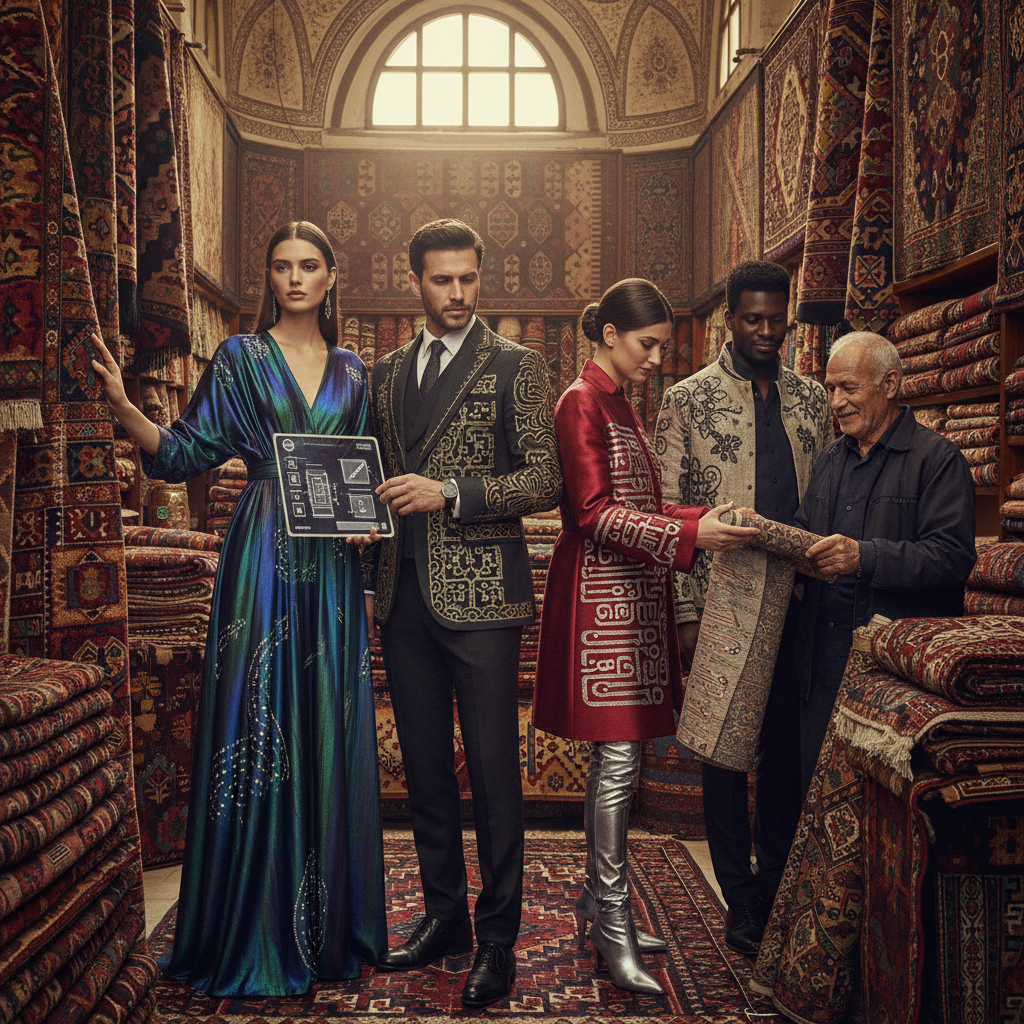
- Cultural Fusion: Blending elements of Eastern and Western aesthetics, often with intricate embroidery or patterns reminiscent of Ottoman motifs.
- Artisanal Details: Hand-finished touches, from beading to elaborate stitching, reflecting a dedication to craftsmanship.
The Future of Istanbul Fashion History
The ongoing evolution of Istanbul fashion history is a testament to the city's enduring creativity and its ability to continually reinvent itself while honoring its profound cultural roots. As we look towards the rest of 2026, Istanbul promises to remain a captivating and influential force in the global fashion landscape. To discover places where you can engage with this blend of tradition and modernity, our guide to Istanbul's Time-Capsule Boutiques: Shopping for Curated Vintage & Local Design in 2026 is an excellent resource.