Embark on an Unforgettable Istanbul Historical Journey
Step back in time and uncover the layers of history that define one of the world's most captivating cities. An Istanbul historical journey offers a unique opportunity to explore ancient empires, vibrant cultures, and architectural marvels that have stood the test of millennia. From the Byzantine grandeur to the Ottoman splendor, Istanbul serves as a living museum, inviting travelers to walk in the footsteps of emperors, sultans, and countless historical figures. This comprehensive guide will take you through the essential sites and hidden gems, ensuring your exploration of this magnificent city is both enriching and unforgettable. Prepare to be enchanted by Istanbul's rich past and its enduring legacy.
The Byzantine Legacy: Tracing an Istanbul Historical Journey Through Constantinople
Before it was Istanbul, the city reigned supreme as Constantinople, the illustrious capital of the Byzantine Empire. This era left an indelible mark, with structures that continue to awe visitors today. Understanding this period is crucial for any Istanbul historical journey, as it laid the groundwork for much of what came after.
Hagia Sophia: A Testament to Architectural Evolution
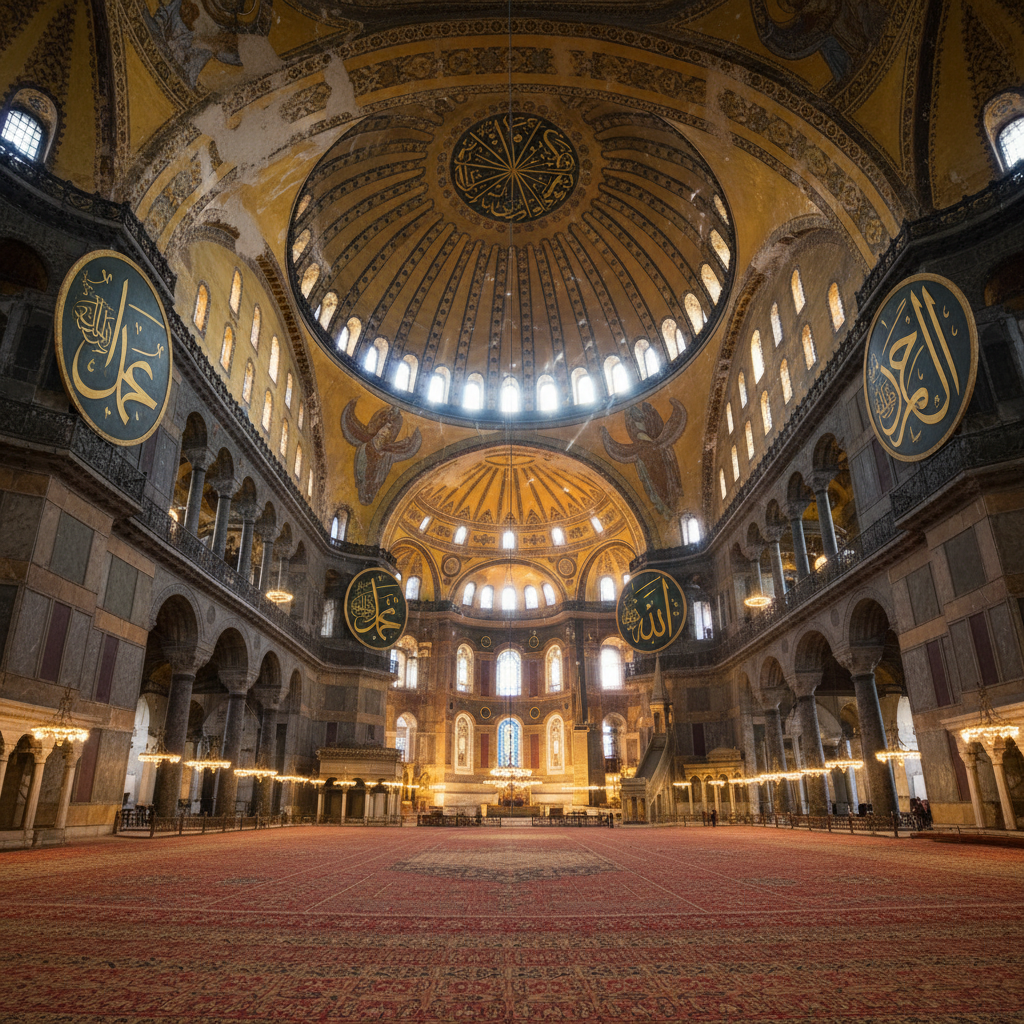
The Hagia Sophia stands as a monumental symbol of Istanbul's layered past. Originally built as a cathedral, it was converted into a mosque, then a museum, and now once again functions as a mosque. Its colossal dome, intricate mosaics, and sheer scale are breathtaking, reflecting its long and varied history. This architectural marvel demonstrates a seamless blend of Christian and Islamic artistry, making it a cornerstone of any Istanbul exploration, and a truly unique experience.
- Construction: Completed in 537 AD under Emperor Justinian I.
- Architectural Style: Blend of Roman and Byzantine forms, pioneering new structural techniques.
- Key Features: Massive central dome, intricate mosaics depicting Christian figures, later Islamic calligraphic panels.
- Significance: A UNESCO World Heritage Site, representing profound historical and architectural shifts.
The Hippodrome and its Echoes of Imperial Spectacle
Adjacent to the Hagia Sophia and Blue Mosque lies the ancient Hippodrome of Constantinople. While only a fraction of its original grandeur remains, this vast public space was once the heart of Byzantine social and political life. Chariot races, imperial ceremonies, and public unrest all unfolded within its confines.
Today, visitors can still admire the Egyptian Obelisk of Thutmose III, the Serpent Column, and the Walled Obelisk, each telling a story of distant lands and imperial power. It's a poignant reminder of the spectacles that once captivated the city's inhabitants.
Ottoman Grandeur: Discovering a New Chapter in the Istanbul Historical Journey
With the conquest of Constantinople by Sultan Mehmed II in 1453, the city entered its Ottoman period, transforming into the magnificent capital of a sprawling empire. This era brought forth a new wave of architectural and cultural achievements, profoundly shaping the city's identity. Your Istanbul historical journey would be incomplete without delving into the splendors of the Ottoman Empire.
Topkapi Palace: The Residence of Sultans
The Topkapi Palace served as the primary residence and administrative headquarters of the Ottoman Sultans for nearly 400 years. This sprawling complex, with its opulent courtyards, treasury, harems, and pavilions, offers an intimate glimpse into the lives of the imperial family. Each section tells a story of power, intrigue, and artistic refinement.
Wandering through its gates, you can imagine the daily life of the sultans and their court, surrounded by priceless jewels, sacred relics, and exquisite Ottoman art. The views of the Bosphorus from its terraces are also unparalleled. A trip here makes for some truly captivating Istanbul photo spots.
Key areas to explore within Topkapi Palace:
- The Imperial Council Hall (Divan-ı Hümayun)
- The Treasury, housing the Spoonmaker's Diamond
- The Harem, a fascinating world of its own
- The Holy Relics chamber, home to artifacts of Abrahamic faiths
The Blue Mosque (Sultan Ahmed Mosque): A Masterpiece of Islamic Art
Facing the Hagia Sophia across a beautifully landscaped square, the Blue Mosque is an architectural triumph of the early 17th century. Commissioned by Sultan Ahmed I, its six minarets and cascading domes dominate the Istanbul skyline. Inside, more than 20,000 handmade İznik tiles adorn its walls, giving the mosque its distinctive blue hue and earning it its popular name. The intricate patterns and floral motifs create an atmosphere of profound serenity and beauty.
Subterranean Secrets: The Cisterns of Istanbul
Beneath the bustling streets of Istanbul lie fascinating subterranean structures, remnants of ancient urban planning. These cisterns were crucial for supplying water to the city during Byzantine and early Ottoman times, and visiting them adds a unique dimension to any Istanbul historical journey. Explore more of Istanbul's ancient underground to truly understand its layers.
The Basilica Cistern: An Underground Marvel
The Basilica Cistern, also known as the "Sunken Palace," is the largest and most famous of Istanbul's ancient cisterns. Built in the 6th century, it features 336 marble columns, many of which were recycled from older temples. The dimly lit, atmospheric space, filled with water and echoing with droplets, creates an otherworldly experience. Don't miss the famous Medusa head bases at the far end, shrouded in mystery and legend.
The cistern's cool, damp air provides a refreshing break from the city's heat, while its history transports you to a time when engineering prowess was just as vital as military might for survival. Visiting this site is essential for understanding the infrastructure that supported ancient Constantinople.
Beyond the Main Sites: Deeper Dives in Your Istanbul Historical Journey
While the iconic landmarks form the backbone of an Istanbul historical journey, the city offers countless other treasures for those willing to venture further. These sites provide a richer context and a more nuanced understanding of Istanbul's diverse past, allowing you to uncover Istanbul's unique experiences.
Chora Church (Kariye Museum): Mosaics of Heaven
Often overlooked by first-time visitors, the Chora Church (Kariye Museum) is an absolute must-see for its spectacular Byzantine mosaics and frescoes. These 14th-century works of art are considered some of the finest examples of late Byzantine art, depicting detailed scenes from the lives of Christ and the Virgin Mary with remarkable emotional depth and vibrant colors. Located slightly off the main tourist path, it offers a more intimate encounter with Istanbul's artistic heritage.
Grand Bazaar and Spice Market: A Legacy of Trade and Culture
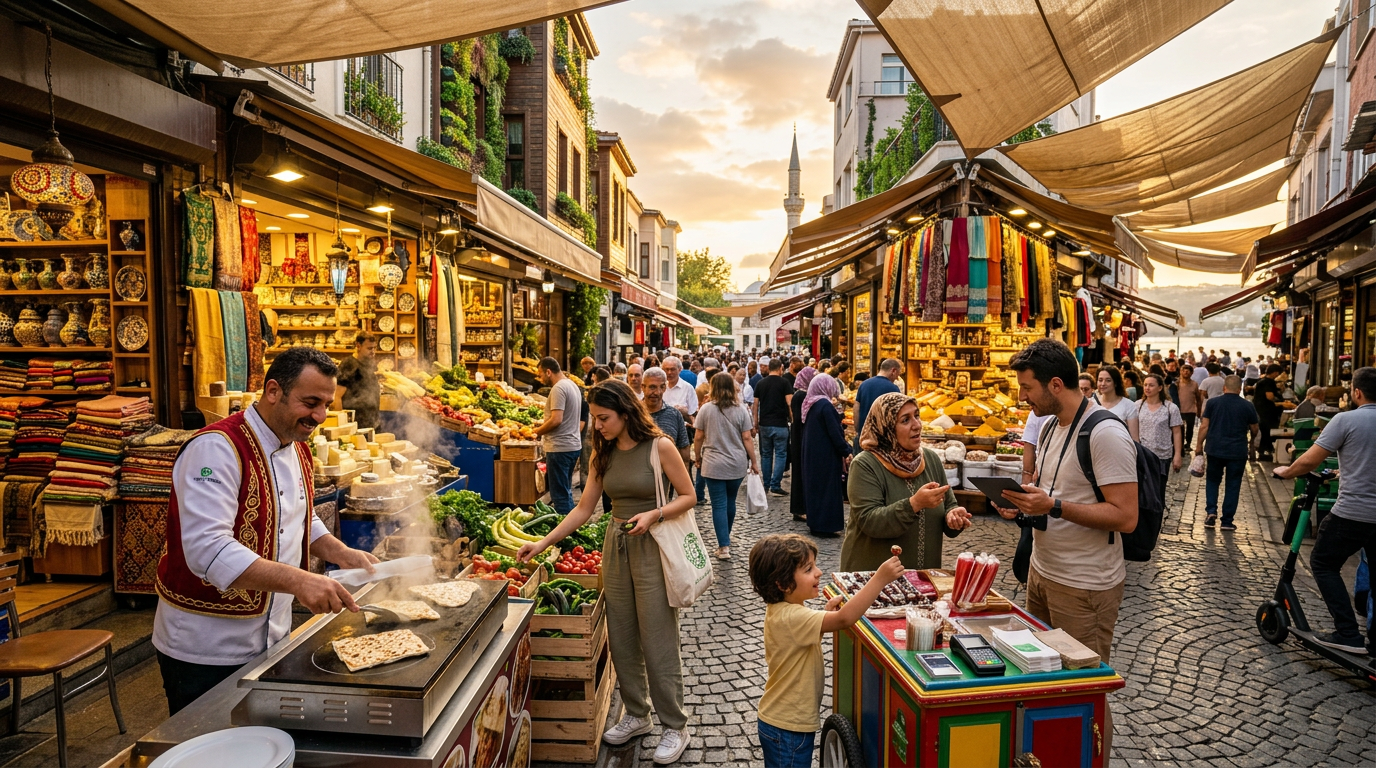
No Istanbul historical journey is complete without experiencing the bustling atmosphere of its historic markets. The Grand Bazaar, one of the world's oldest and largest covered markets, has been a center of commerce since the 15th century. Its labyrinthine passages house thousands of shops selling everything from spices and textiles to jewelry and ceramics. Similarly, the Spice Market (Egyptian Bazaar) tantalizes the senses with its vibrant colors and aromatic fragrances, reflecting centuries of trade routes connecting East and West.
These markets are not just places to shop; they are living historical monuments, echoing with the sounds and sights of centuries of trade and cultural exchange. They offer an unparalleled sensory experience and a tangible connection to Istanbul's identity as a crossroads of civilizations.
Planning Your Istanbul Historical Journey
To make the most of your time in this magnificent city, consider a few practical tips:
- Comfortable Shoes: You'll be doing a lot of walking across uneven historical terrain.
- Layered Clothing: Adapt to varying temperatures both inside and outside historical sites.
- Respectful Attire: Especially when visiting mosques, ensure shoulders and knees are covered. Women should carry a headscarf.
- Early Starts: Beat the crowds at popular attractions like Hagia Sophia and Topkapi Palace.
- Local Guides: Consider hiring a knowledgeable local guide to enrich your understanding of each site and its history. Their insights can bring ancient stones to life.
Embarking on an Istanbul historical journey is an immersive experience that transcends mere sightseeing. It's an opportunity to connect with a past that has shaped empires, influenced cultures, and continues to inspire awe. Every corner turned, every ancient wall touched, tells a story of resilience, artistry, and the enduring spirit of a city that has gracefully borne witness to the ebb and flow of civilizations. Prepare to be captivated by Istanbul's timeless beauty and its profound historical depth.