Istanbul Abandoned Places: Exploring Forgotten Facets and Eerie Beauty
Venturing beyond the well-trodden paths of Topkapi Palace and Hagia Sophia, a fascinating and often overlooked aspect of Turkey's largest city emerges: Istanbul abandoned places. These forgotten corners tell tales of past glories, economic shifts, and a rapidly changing urban landscape. From decaying mansions once housing sultans' favorites to industrial complexes that fueled an empire, exploring these sites offers a unique perspective on Istanbul's rich, complex history and its ever-evolving present.
The Allure of Istanbul Abandoned Places
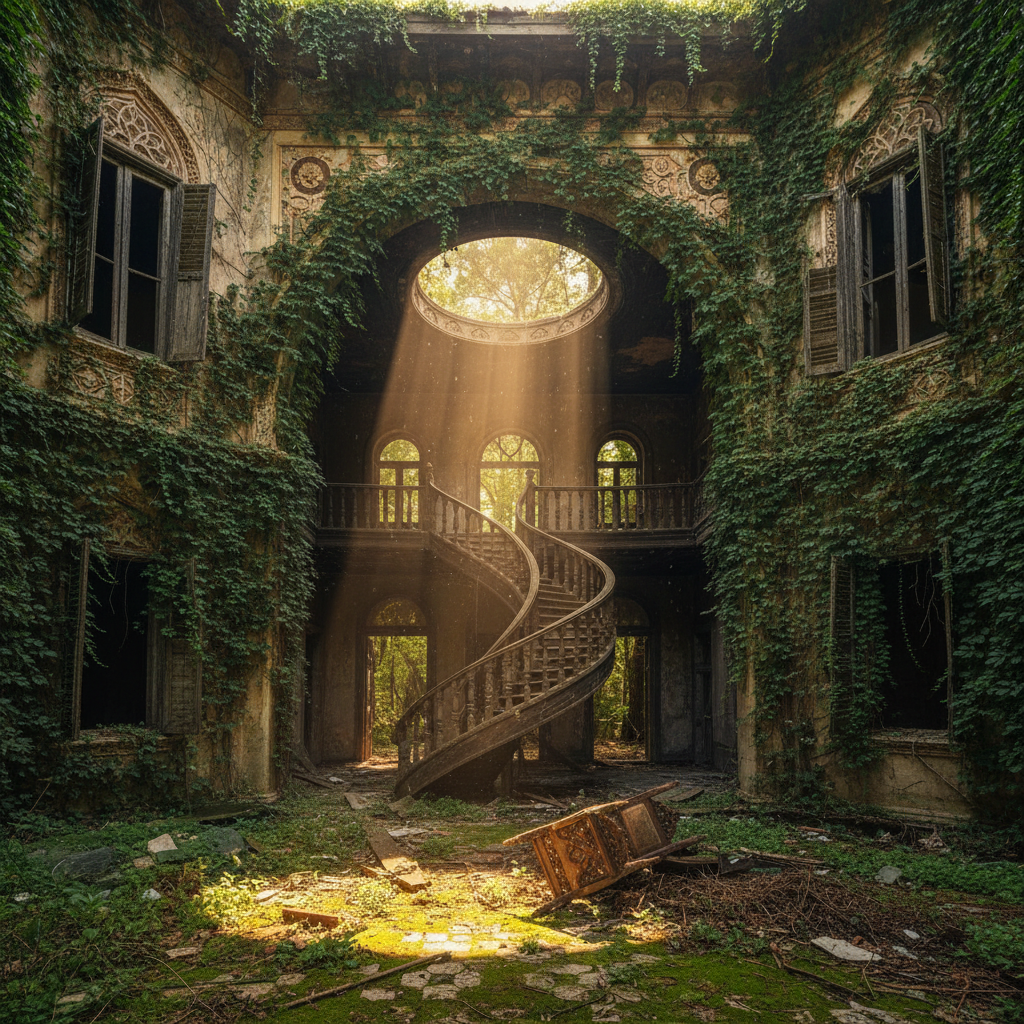
There's a certain melancholic beauty that emanates from abandoned structures. They stand as silent witnesses to time, their crumbling facades and overgrown courtyards whispering stories of lives lived and dreams lost. For urban explorers, photographers, and history enthusiasts, the allure of Istanbul abandoned places is irresistible. These sites provide a raw, unfiltered glimpse into different eras, free from the polished veneer of modern restoration. For more hidden treasures, consider exploring Istanbul's Hidden Gems: Beyond the Grand Bazaar & Blue Mosque.
A Glimpse into the Past
Each abandoned building in Istanbul carries a fragment of history. Whether it's an Ottoman-era mansion or a Republican-era factory, they offer tangible connections to past generations. The architecture, the remnants of decor, and even the type of machinery left behind paint a vivid picture of former functions and lifestyles. This direct link to the past is what makes exploring these places so compelling. For another dive into the city's history, read about Istanbul's Time-Traveling Trails.
Photographic Opportunities Abound
For photographers, abandoned places are a treasure trove. The interplay of light and shadow, the texture of decay, and the natural reclamation by flora create stunning visual narratives. Rusting metal, peeling paint, and shattered windows become elements of art, offering unique and evocative compositions that are difficult to find elsewhere in such a vibrant city. If you're looking for other captivating scenes, check out these 7 Captivating Instagrammable Locations in Istanbul.
- Architectural details frozen in time.
- Dramatic lighting through broken windows.
- Nature reclaiming man-made structures.
- Eerie, atmospheric backdrops.
Notable Istanbul Abandoned Places and Their Stories
While discretion is often advised when exploring these sites due to safety and legal concerns, certain locations have become well-known for their historical significance and visual impact. These Istanbul abandoned places offer a distinct kind of travel adventure.
Prinkipo Palace (Büyükada Greek Orphanage)
Often cited as the largest wooden building in Europe, Prinkipo Palace on Büyükada island is an awe-inspiring, yet heartbreaking, sight. Once a luxurious hotel, then an orphanage, it has stood empty for decades, its nine stories of intricate wooden architecture slowly succumbing to the elements. Its sheer size and tragic history make it one of the most prominent Istanbul abandoned places. For more on the island's charm, discover Istanbul's Anatolian Side.
Constructed in 1898, it served as a hotel and casino before becoming an orphanage for Greek children in 1903. It operated under the Ecumenical Patriarchate of Constantinople until its closure in 1964. Today, it represents a poignant symbol of neglect and a testament to the grandeur of a bygone era. You can learn more about its history on the Wikipedia page for Prinkipo Orphanage.
Yedikule Gasworks (Hasanpaşa Gazhanesi)
Dating back to the late 19th century, the Yedikule Gasworks is a fascinating example of industrial archaeology. It once provided gas lighting to the city of Istanbul, powering its growth and development. After ceasing operations, parts of it lay abandoned for years.
Recently, some segments have been revitalized into the Museum Gazhane, a cultural center. However, significant portions still retain their abandoned character, showcasing colossal machinery and cavernous interiors that speak to Istanbul's industrial past. These areas remain among the most intriguing Istanbul abandoned places.
Abandoned Mansions of the Bosphorus
Along the picturesque shores of the Bosphorus, countless yalı (waterside mansions) stand derelict, their ornate wooden facades decaying and their windows staring blankly at the bustling waterway. These once-magnificent residences belonged to Ottoman dignitaries, wealthy merchants, and foreign diplomats.
The reasons for their abandonment are varied, including complex inheritance laws, prohibitive maintenance costs, and a shifting urban elite. Each yalı has a story of lavish parties, secret rendezvous, and faded grandeur, making them some of the most romantic yet melancholic Istanbul abandoned places. Learn more about the Bosphorus's unique charm in Istanbul's Bosphorus Beat.
- Tragedy and economic hardship often led to their desertion.
- Many are protected as historical monuments, awaiting restoration.
- They offer stunning, albeit decaying, architectural beauty.
Safety and Ethical Considerations When Exploring Istanbul Abandoned Places
Exploring Istanbul abandoned places comes with inherent risks and responsibilities. It is crucial to prioritize safety, respect the property, and understand the legal implications.
Prioritize Personal Safety
Abandoned buildings are often structurally unsound. Floors can collapse, ceilings can give way, and sharp objects may be present. It's vital to never explore alone, inform someone of your whereabouts, and wear appropriate safety gear, including sturdy shoes and head protection. Always carry a flashlight, even during the day. For general travel safety tips, consult resources like Travel.State.Gov.
Respect the Property and Environment
Leave no trace. Do not vandalize, remove artifacts, or disturb the natural environment. The goal is to document and appreciate, not to destroy or loot. These places are historical artifacts in themselves and should be treated with respect. Unauthorized entry is often trespassing and can lead to legal consequences.
Always consider obtaining permission if possible, especially for privately owned properties. Many urban explorers operate under a strict code of ethics to preserve these sites for future generations and maintain a positive image of their hobby.
The Future of Istanbul Abandoned Places
The fate of these fascinating Istanbul abandoned places is varied. Some are slated for demolition to make way for new developments, a constant battle in a rapidly growing metropolis. Others are being slowly consumed by nature, becoming integrated into the urban wilderness. However, a growing trend sees some of these historical structures undergoing adaptive reuse.
Revitalization and Adaptive Reuse
The transformation of the Yedikule Gasworks into Museum Gazhane is a prime example of adaptive reuse, where an old, abandoned industrial site is given a new life as a cultural hub. This approach preserves historical architecture while serving contemporary needs. Such projects breathe new life into forgotten structures, ensuring their legacy continues.
Many other abandoned buildings, particularly the Ottoman mansions, are prime candidates for similar revitalization. They could be transformed into boutique hotels, art galleries, or unique residential spaces, blending the old with the new and maintaining the city's rich architectural tapestry. The interest in Istanbul abandoned places is not just about decay; it's also about potential.
Ongoing Preservation Challenges
Despite the potential for revitalization, many Istanbul abandoned places face significant challenges. The sheer cost of restoration, complex ownership issues, and bureaucratic hurdles often mean these magnificent structures continue to decay. Balancing urban development with historical preservation remains a critical ongoing challenge for the city of Istanbul.
Exploring Istanbul abandoned places offers an unparalleled journey into the soul of a city that constantly reinvents itself, yet never truly forgets its past. These crumbling relics are more than just ruins; they are powerful reminders of change, resilience, and the enduring stories etched into Istanbul's very foundations.