Istanbul's Ancient Cosmetics: Unveiling Traditional Beauty Rituals & Modern Wellness Trends in 2026
Step into the timeless allure of a city where history whispers from every corner and ancient secrets meet modern sophistication. Istanbul beauty rituals offer a captivating journey through centuries of tradition, blending natural remedies with luxurious practices. In this comprehensive guide, we'll explore how these age-old customs, once cherished by Ottoman sultans and their consorts, continue to influence beauty and wellness in Istanbul today, especially as we navigate the evolving landscape of 2026.
The Enduring Legacy of Istanbul Beauty Rituals
Istanbul, a city straddling two continents, has always been a melting pot of cultures, and its beauty traditions reflect this rich tapestry. From Byzantine empresses to Ottoman noblewomen, the pursuit of beauty was intertwined with health, spirituality, and social standing. These traditions were not mere vanity; they were holistic practices designed to nourish the body, mind, and soul.
The core philosophy behind many Istanbul beauty rituals is the belief in natural ingredients and the power of purification. This emphasis on organic components and cleansing ceremonies has seen a resurgence in popularity, aligning perfectly with global wellness trends in 2026. For a deeper dive into historical practices, consider exploring Istanbul's Ancient Apothecaries: Unearthing Forgotten Remedies and Holistic Wellness in 2026.
The Ottoman Harem: A Cradle of Beauty Innovations
The opulent world of the Ottoman harem, often romanticized, was a hub for developing sophisticated beauty techniques. Women of the imperial court had access to rare ingredients and dedicated staff who perfected various treatments. Many of these practices laid the foundation for what we consider classic Istanbul beauty rituals today. You can learn more about imperial life in Istanbul's Ancient Palaces & Hidden Harem Tales.
- Scented Oils and Perfumes: Rose oil, jasmine, amber, and musk were highly prized for their intoxicating aromas and therapeutic properties. These weren't just for fragrance; they were incorporated into massages and baths.
- Herbal Infusions: A wide array of local herbs like chamomile, lavender, and sage were used in facial steams, hair rinses, and body wraps for their healing and beautifying effects.
- Natural Dyes: Henna for hair and intricate body art, and walnut shells for darker hair tones, were common.
Hammam Culture: The Heart of Traditional Istanbul Beauty Rituals
No discussion of Turkish beauty is complete without highlighting the hammam, or Turkish bath. More than just a place to cleanse, the hammam is a social institution and a profoundly ritualistic experience that purifies both body and spirit. It remains a cornerstone of Istanbul beauty rituals.
The stages of a traditional hammam ritual are designed to systematically cleanse, exfoliate, and relax. It's an immersive journey that leaves you feeling refreshed and rejuvenated, inside and out. In 2026, many historic hammams in Istanbul continue to offer these authentic experiences, often incorporating modern amenities while preserving the ancient customs.
The Hammam Experience: A Step-by-Step Purification
- The Heat Chamber (Sıcaklık): You begin in a warm, humid room, allowing pores to open and muscles to relax. This prepares the skin for exfoliation.
- The Kese (Exfoliation): A skilled attendant, or "tellak" (for men) or "natır" (for women), vigorously scrubs your body with a coarse silk mitt called a "kese." This removes dead skin cells, leaving the skin incredibly smooth.
- The Soap Wash (Köpük Masajı): Following the kese, you're enveloped in a cloud of luxurious, aromatic soap lather. This is often accompanied by a gentle, relaxing massage.
- Cooling Down and Relaxation: After the wash, you move to a cooler room to rest, often sipping traditional Turkish tea.
The hammam is not just about physical cleanliness; it's a meditative experience, a true escape from the hustle and bustle of modern life, offering a unique aspect of Istanbul beauty rituals.
Natural Ingredients at the Core of Istanbul Beauty
The fertile lands surrounding Istanbul have always provided a bounty of natural ingredients used in beauty and wellness. The emphasis on locally sourced, effective natural remedies is more relevant than ever in 2026, with a global push towards sustainable and organic products. These ingredients are central to authentic Istanbul beauty rituals.
Key Natural Ingredients and Their Uses
- Rose Water (Gül Suyu): Renowned for its hydrating, toning, and anti-inflammatory properties, rose water is a staple in Turkish skincare. It's used as a toner, in face masks, and even in culinary delights. For more on the history of craftsmanship in Istanbul, see Istanbul's Ancient Guilds: Unveiling Crafting Communities.
- Olive Oil (Zeytinyağı): A Mediterranean superfood, olive oil is not only consumed but also widely used for moisturizing skin, strengthening hair, and in traditional Turkish soaps.
- Clay and Mud Masks (Kil Maskeleri): Mineral-rich clays, often found locally, have been used for centuries to detoxify, cleanse, and tighten the skin.
- Honey (Bal): Loved for its antibacterial and humectant properties, honey is a common ingredient in face masks and hair treatments, often combined with other natural elements.
- Lemon and Vinegar: Used diluted for clarifying skin and hair, known for their astringent and brightening effects.
These natural elements underscore the philosophy that true beauty comes from nature, a principle that continues to define Istanbul beauty rituals.
Modern Wellness Trends Fused with Ancient Istanbul Beauty Rituals in 2026
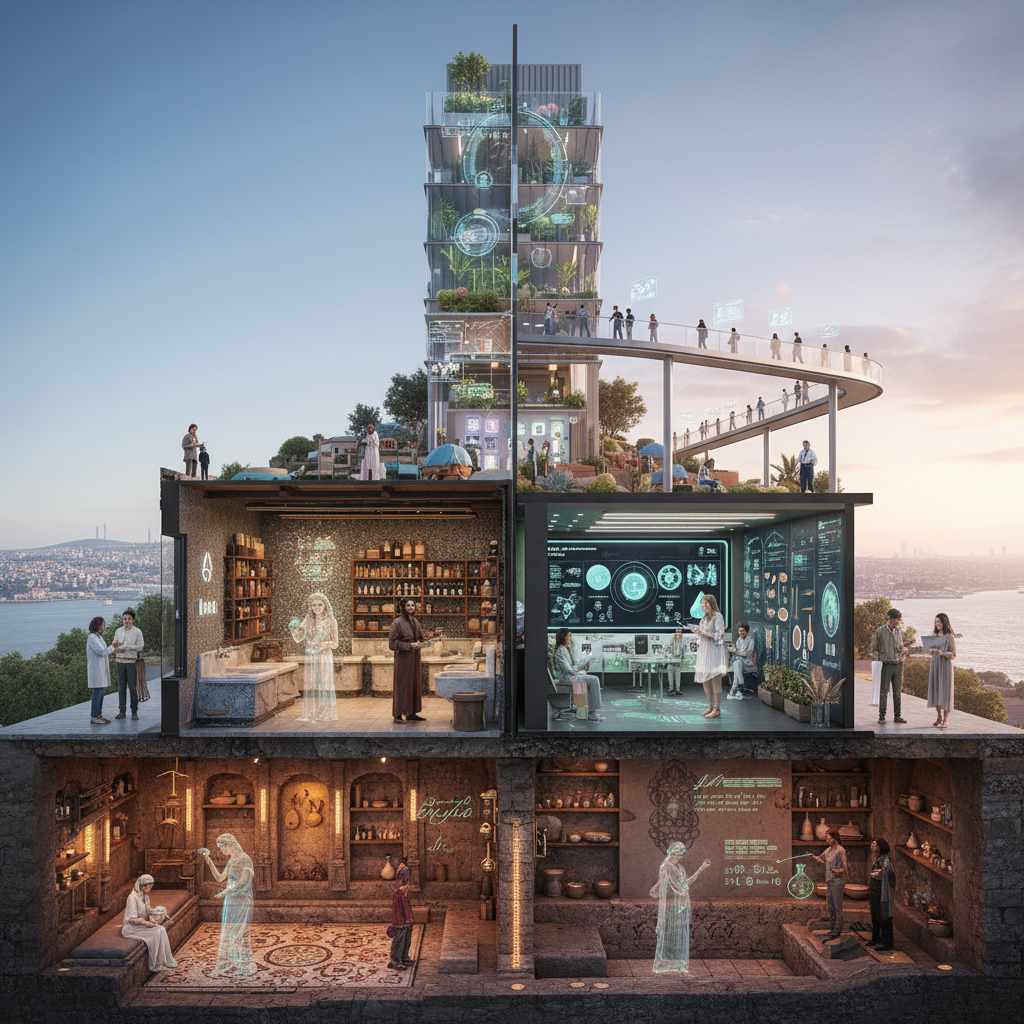
While centuries-old practices remain revered, Istanbul is also a dynamic metropolis embracing cutting-edge wellness trends. In 2026, we see a fascinating fusion where traditional Istanbul beauty rituals are being reinterpreted and enhanced with modern science and holistic approaches. This creates a unique wellness landscape, offering the best of both worlds.
From luxurious spa treatments in five-star hotels that integrate hammam therapies with advanced cosmetic procedures, to independent apothecaries crafting organic products based on Ottoman recipes, Istanbul offers a diverse beauty experience. The city successfully blends its heritage with contemporary demands for efficacy and sustainability. Information on modern trends in wellness tourism can often be found through global organizations like the Global Wellness Institute, which highlights growing interest in authentic cultural experiences like those found in Istanbul. For those interested in the broader impact of traditional practices on modern business, consider Istanbul's Ancient 'Gates of Opportunity'.
The Evolution of Istanbul's Beauty Scene
- Boutique Organic Skincare: Small businesses are thriving, creating artisanal beauty products from traditional Turkish botanicals, often inspired by ancient recipes. Many local artisans showcase their products in historic areas, reflecting a trend towards locally sourced and handmade goods, as noted by resources like Slow Food International, which champions local traditions.
- Holistic Spa Experiences: Modern spas are combining traditional hammam rituals with practices like aromatherapy, specialized massage techniques, and even sound healing.
- Wellness Tourism: Istanbul is increasingly becoming a destination for wellness tourism, attracting visitors seeking authentic Turkish beauty and relaxation experiences.
- Digital Integration: Many traditional hammams and beauty establishments are now offering online booking and virtual consultations, making these ancient rituals more accessible globally, mirroring broader shifts in the digital economy as reported by financial news outlets like Reuters.
The adaptation and evolution of Istanbul beauty rituals demonstrate their timeless appeal and their ability to stay relevant in an ever-changing world, proving that some traditions are simply built to last.