Istanbul's Ancient Guilds: Unveiling Crafting Communities and Social Bonds in 2026
Step back in time as we explore the fascinating world of Istanbul's ancient guilds. These powerful organizations, deeply embedded in the social and economic fabric of the Byzantine and Ottoman empires, shaped the city's growth, preserved invaluable skills, and fostered strong community ties. In 2026, understanding their structure and influence gives us a richer appreciation for Istanbul's enduring legacy as a hub of artistry and commerce.
The Enduring Legacy of Istanbul's Ancient Guilds
The history of Istanbul is inextricably linked with its craftspeople and merchants. For centuries, these individuals banded together to form guilds, known by various names such as esnaf or lonca during the Ottoman period, and professional associations in earlier Byzantine times. These organizations weren't merely about work; they were comprehensive social structures.
They regulated production, maintained quality standards, and often served as self-governing bodies within their respective trades. The influence of these Istanbul's ancient guilds extended far beyond the workshop, impacting urban planning, social welfare, and even political stability. For a modern perspective on community spaces, consider Istanbul's 'Third Space' Sanctuaries, which echo the communal aspects of historical guilds.
Origins and Evolution of Guilds in Constantinople
The roots of professional associations in Istanbul can be traced back to the Byzantine era. Echoing Roman and Hellenistic traditions, Byzantine guilds played a crucial role in managing the city's vast economy. They controlled prices, ensured a steady supply of goods, and often held monopolies over specific trades.
With the Ottoman conquest in 1453, the city’s economic structure adapted, yet the fundamental concept of organized crafts persisted. Ottoman guilds adopted and refined existing practices, integrating them into the Islamic economic framework. They became integral to the functioning of the bustling imperial capital. To understand the broader historical layers beneath the modern city, delve into Istanbul's Ancient Palimpsest.
Structure and Social Fabric of Istanbul's Ancient Guilds
Each guild possessed a hierarchical structure that ensured order and perpetuated skills across generations. At the top were the masters, often experienced artisans who had honed their craft over decades. Under them were journeymen and apprentices, learning the trade from the ground up.
Beyond professional training, these guilds provided a robust social safety net. They offered assistance to members in times of need, mediated disputes, and often even managed local charities. This communal aspect was a defining characteristic of Istanbul's ancient guilds.
Hierarchy Within the Guild System
- Usta (Master): The fully qualified and experienced artisan, responsible for training apprentices, ensuring quality, and often holding leadership positions within the guild.
- Kalfa (Journeyman): An artisan who had completed their apprenticeship but had not yet achieved master status. They worked under a master and continued to refine their skills.
- Çırak (Apprentice): Young individuals learning the trade from a master, often starting at a very young age and performing basic tasks while observing and assisting.
The progression from apprentice to master was a rigorous journey, often culminating in the creation of a "masterpiece" to prove one's skill. This system ensured the continuous transfer of knowledge and prevented a decline in craftsmanship.
The Economic Power of Istanbul's Ancient Guilds
The economic influence of guilds in Istanbul was immense. They regulated virtually every aspect of production and commerce within their specific trade. From setting prices to controlling the quality of raw materials and finished products, guilds maintained a tight grip on the market.
This control aimed to prevent unfair competition, ensure fair wages for members, and protect consumers from shoddy goods. Their collective bargaining power also gave them significant leverage in dealing with the state, often securing concessions or protecting their interests. For more on historical commerce in Istanbul, explore Istanbul's Ancient 'Gates of Opportunity': Unveiling Historic Bazaars.
Quality Control and Trade Practices
Quality was paramount for Istanbul's ancient guilds. Strict rules and inspections were in place to ensure that all goods met the established standards. Substandard products could lead to severe penalties, protecting the guild's reputation and consumer trust.
Common practices included:
- Mandatory inspections of workshops and products.
- Standardization of tools and techniques.
- Prohibition of certain materials or practices that could compromise quality.
- A detailed process for resolving customer complaints.
Decline and Modern Echoes of Ancient Guilds in Istanbul
The 19th century brought significant challenges to the traditional guild system. Industrialization, increasing foreign trade, and the Ottoman Empire's efforts at modernization gradually eroded the power and relevance of the guilds. New economic models and technological advancements rendered many of their traditional regulations obsolete.
By the early 20th century, the official guild system had largely dissolved. However, the spirit of craftsmanship and community fostered by the Istanbul's ancient guilds can still be observed in various forms today. Modern artisan associations, traditional bazaars, and specialized craft districts continue to honor this centuries-old legacy.
Preserving Craft Traditions in 2026
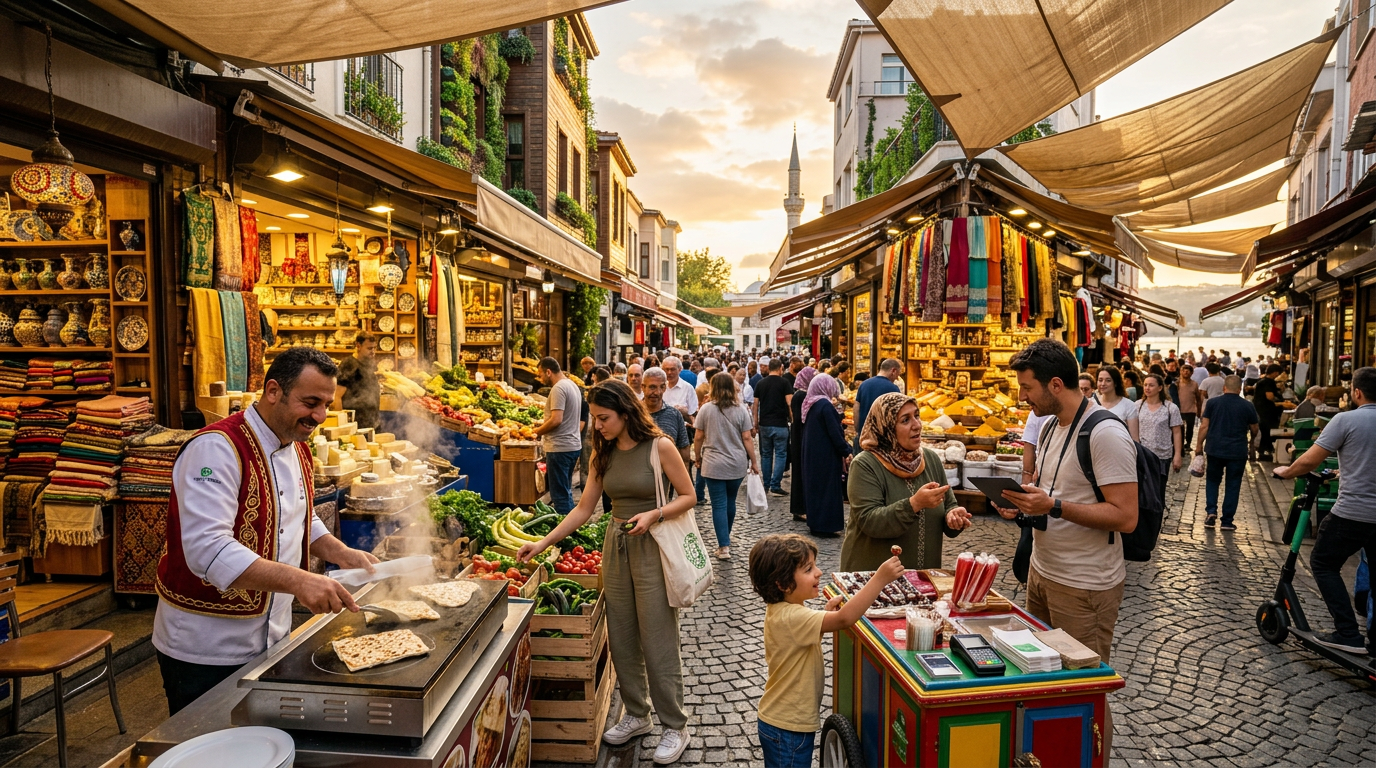
Even in 2026, visitors to Istanbul can find echoes of the guild system. Areas like the Grand Bazaar and various artisan workshops in neighborhoods like Balat or Fener showcase traditional crafts passed down through generations. These master craftspeople, though no longer operating under official guild laws, often embody the dedication, skill, and communal spirit of their ancient predecessors.
Efforts are being made by cultural institutions and passionate individuals to preserve these invaluable skills, ensuring that the legacy of Istanbul's ancient guilds continues to inspire new generations of artisans and enthusiasts. To appreciate the intricate nature of some historical crafts, consider the artistic precision seen in Ottoman miniatures. The World Crafts Council also offers perspectives on preserving traditional crafts globally.