Istanbul Ancient Crafts Revival: Bridging Past & Future
In the vibrant tapestry of Istanbul's cultural landscape, a fascinating movement is gaining momentum: the Istanbul ancient crafts revival. This initiative, deeply rooted in the city's rich history, is breathing new life into time-honored artisanal traditions. As we look at 2026, the commitment to preserving and evolving these crafts is more evident than ever, transforming them from relics of the past into relevant, sought-after treasures for the modern world. This revival speaks to both locals and international visitors, offering a unique glimpse into the soul of Istanbul.
Delve deeper into Istanbul's historical depths by exploring Istanbul's Ancient Underground Labyrinths, revealing hidden narratives that parallel the preservation of its crafts.
The Enduring Legacy of Istanbul Ancient Crafts
Istanbul has always been a melting pot of civilizations, each leaving an indelible mark on its artistic heritage. From the Byzantine mosaics to the Ottoman miniature paintings, the city's hands have shaped beauty for millennia. These ancient crafts are not just techniques; they are narratives, telling stories of ingenuity, devotion, and cultural exchange. Their continued existence, especially through the Istanbul ancient crafts revival, is a testament to their intrinsic value.
Tracing the Roots: A Historical Perspective of Istanbul's Ancient Crafts
Many of Istanbul's most cherished crafts have origins stretching back centuries. Calligraphy, for instance, evolved with Islamic art, becoming a revered form of expression. Ceramics, particularly Iznik tiles, adorned palaces and mosques with their intricate patterns and vibrant blues. Even humble weaving traditions carried significant cultural weight, reflecting regional identities and storytelling.
Understanding this historical context is crucial for appreciating the depth of the current revival. Artisans today draw inspiration directly from these historical masterpieces, ensuring authenticity while also innovating. For more on the evolution of artistic communication, consider Istanbul's Ancient Script: Unveiling Traditional Calligraphy and Modern Typography in 2026.
Why Revive What's Ancient? The Modern Imperative for Istanbul Ancient Crafts
In an age increasingly dominated by mass production, there's a growing desire for authenticity, craftsmanship, and sustainability. The Istanbul ancient crafts revival responds directly to this demand. It offers consumers unique, handmade items with a story, often crafted using eco-friendly methods. Furthermore, it provides skilled employment and preserves cultural identity in a rapidly globalizing world. The year 2026 sees a renewed focus on slow living and conscious consumption, making these ancient crafts more relevant than ever.
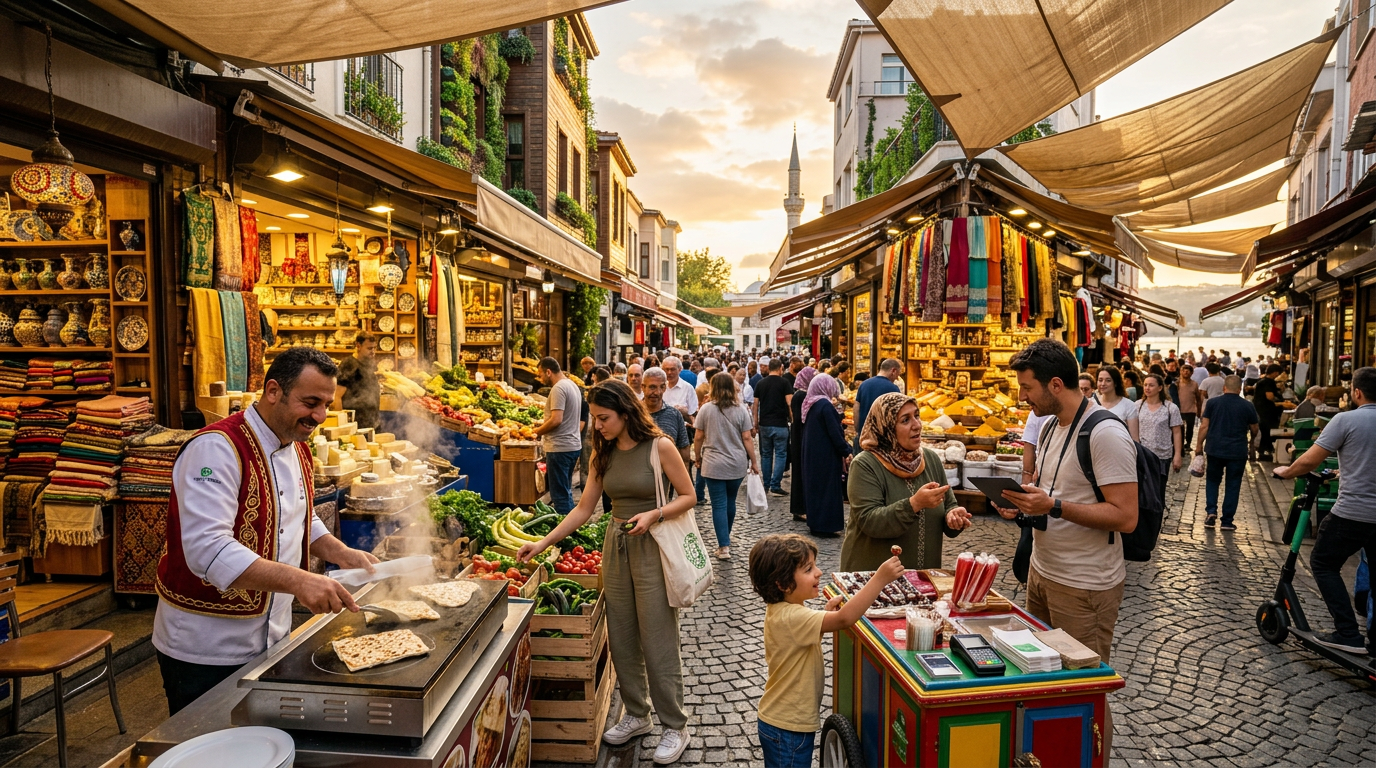
For travelers to Istanbul, engaging with these crafts provides a deeper connection to the city's heritage than conventional souvenirs ever could. This is evident even in commerce, from Istanbul's Ancient Markets & Modern Bazaars to contemporary artisan stalls.
Key Crafts Spearheading the Istanbul Ancient Crafts Revival
Several distinct crafts are at the forefront of this flourishing movement. Each represents a unique aspect of Istanbul's artistic legacy, now being reinterpreted for contemporary tastes.
The Art of Turkish Calligraphy: A Pillar of Istanbul Ancient Crafts
Turkish calligraphy, or "hatt," is more than just writing; it's a spiritual discipline. Traditionally used for religious texts and official documents, it is now finding new life in modern art, home décor, and even fashion. Contemporary calligraphers are experimenting with different materials and mediums, blending traditional scripts with abstract forms.
- Traditional Techniques: Still utilizing reeds (kamış), ink (mürekkep), and special papers (aharlı kağıt).
- Modern Interpretations: Incorporating modern design elements, creating calligraphic logos, and exploring digital applications.
- Workshops and Education: Numerous academies and private studios in Istanbul offer courses, ensuring the continuity of this delicate art.
Ceramics and Tile Making: From Iznik to Contemporary Designs in the Istanbul Ancient Crafts Revival
Turkish ceramics, particularly the magnificent Iznik tiles, are world-renowned for their complex patterns and stunning colors. While the historical methods are painstakingly preserved, modern ceramicists are pushing boundaries. They are creating functional art, dinnerware, and decorative pieces that seamlessly blend traditional motifs with modern aesthetics.
The demand for handmade Turkish ceramics, especially those inspired by historical Iznik and Kütahya designs, has seen a significant uptick in 2026, fueled by both local appreciation and international tourism.
Hand-Woven Textiles and Carpets: Weaving the Future of Istanbul Ancient Crafts
From luxurious silk carpets to vibrant kilims, Turkish textile traditions are incredibly diverse. The Istanbul ancient crafts revival is encouraging the use of natural dyes and sustainable practices in weaving. Artisans are reintroducing forgotten patterns and techniques, creating pieces that are both historically significant and highly desirable for contemporary interiors.
These textiles represent not just skilled labor but also centuries of cultural exchange, with motifs reflecting influences from Central Asia, the Middle East, and Europe. For a broader perspective on the global appeal of handmade textiles, see the World Crafts Council (WCC) website.
Training and Education: Nurturing the Future of Istanbul Ancient Crafts
The success of any revival lies in its ability to inspire and educate the next generation. Istanbul has several institutions and workshops dedicated to teaching and preserving these ancient crafts.
Traditional Art Schools and Academies for Istanbul Ancient Crafts
Government-supported institutions and private academies play a vital role. They offer comprehensive curricula covering techniques, history, and philosophy behind each craft. Students learn from master artisans, ensuring the direct transmission of invaluable knowledge.
This hands-on education is critical for maintaining the authenticity and high quality associated with traditional Turkish crafts.
Workshop Culture: Connecting Artisans and Enthusiasts in the Istanbul Ancient Crafts Revival
Beyond formal education, a thriving workshop culture has emerged. Many individual artisans open their studios to the public, offering short courses and demonstrations. This not only provides an income stream for the artisans but also makes these ancient crafts accessible to a wider audience, including tourists eager for an authentic cultural experience.
These interactive experiences foster appreciation and understanding, crucial for the ongoing Istanbul ancient crafts revival.
The Economic and Cultural Impact of the Istanbul Ancient Crafts Revival in 2026
The burgeoning interest in Istanbul's ancient crafts has significant repercussions, extending beyond mere artistic expression. It's contributing to the local economy and reinforcing cultural identity.
Boosting Local Economies and Sustainable Tourism through Istanbul Ancient Crafts
The demand for handmade items supports local artisans, many of whom are small business owners. This decentralized economic model fosters community development and fair trade practices. For the tourism sector, the Istanbul ancient crafts revival offers unique, authentic experiences that appeal to culture-seeking travelers looking for more than just landmarks.
Visitors can purchase meaningful souvenirs directly from the makers, knowing their money directly supports the preservation of these traditions. This aligns with broader trends in sustainable tourism, as highlighted by organizations such as the United Nations World Tourism Organization (UNWTO).
Preserving Cultural Heritage for Future Generations with Istanbul Ancient Crafts
Ultimately, the revival ensures the continuity of Istanbul's rich cultural legacy. By keeping these crafts alive, the city prevents the loss of invaluable knowledge and skills. It also reinforces a sense of national pride and identity, allowing newer generations to connect with their heritage in a tangible way.
In 2026, the importance of cultural preservation is widely recognized globally, and efforts in Istanbul are a shining example of proactive heritage management.
The Global Appeal: Istanbul's Ancient Crafts on the World Stage
Thanks to increased digital presence and international collaborations, Istanbul's ancient crafts are gaining global recognition. Online marketplaces, social media, and cultural exchange programs are showcasing these beautiful creations to a worldwide audience. This global interest further fuels the Istanbul ancient crafts revival, creating new opportunities for artisans and ensuring the longevity of these remarkable traditions. For insights into how digital platforms support artisans, one can explore resources like Etsy, a popular marketplace for handmade goods.