Istanbul Calligraphy: Unveiling Traditional Art and Modern Typography
In the vibrant tapestry of Istanbul, a city where East meets West and history intertwines with modernity, the art of Istanbul calligraphy stands as a timeless testament to human creativity and spiritual expression. As we navigate 2026, this exquisite art form continues to captivate residents and visitors alike, evolving while preserving its profound heritage. From the majestic scripts adorning centuries-old mosques to contemporary interpretations on gallery walls, calligraphy in Istanbul is more than just writing; it is a visual language that speaks volumes about the city's rich cultural identity. To delve deeper into Istanbul's historical preservation efforts, explore Istanbul's Ancient Palimpsest: Unearthing Layers of Forgotten Cities Beneath the Modern Metropolis in 2026.
The Historical Roots of Istanbul Calligraphy
The history of Istanbul calligraphy is deeply intertwined with Islamic art and Ottoman culture. For centuries, Istanbul served as the heart of the Islamic world, fostering an environment where calligraphers were revered artists, their pens shaping not just words but also divine beauty.
Ottoman calligraphy, a distinct branch of Islamic calligraphy, reached its zenith in Istanbul. Masters such as Şeyh Hamdullah and Hâfız Osman developed and perfected various scripts, elevating them to unparalleled levels of aesthetic sophistication. Their legacies continue to influence calligraphers today. For more on the artistic heritage, consider reading about Istanbul's Ancient Melodies: Unearthing Byzantine Choirs, Ottoman Miniatures & Modern Soundscapes in 2026.
Key Periods and Influential Masters
- Early Ottoman Period (14th-15th Century): Emergence of distinct Ottoman styles, influenced by earlier Mamluk and Persian traditions.
- Classical Period (16th-18th Century): The golden age, marked by the perfection of scripts like Thuluth, Naskh, and Diwani. Şeyh Hamdullah is often considered the 'Qibla of Calligraphers.'
- Later Ottoman Period (19th-early 20th Century): Innovations continued, with a focus on stylistic variations and the use of calligraphy in public and private spaces.
Styles and Scripts: The Diverse World of Istanbul Calligraphy
The beauty of Istanbul calligraphy lies in its diverse array of styles, each with its own character and application. These scripts were not merely decorative; they conveyed specific meanings and were often chosen based on the text's purpose and context.
Understanding these different scripts helps appreciate the meticulous skill and profound knowledge required for classical Ottoman calligraphy. Today, many artists in Istanbul continue to master these traditional forms of Istanbul calligraphy.
Prominent Calligraphic Scripts
- Thuluth: Known for its majestic curves and elaborate forms, often used for monumental inscriptions and headings. Its grandeur makes it instantly recognizable.
- Naskh: A clear and legible script, primarily used for copying the Quran and other religious texts. It gained popularity due to its readability.
- Diwani: Developed exclusively for the Ottoman Divan (royal chancery), characterized by closely intertwined letters and upward-sloping lines, signifying dignity and authority. It was often difficult to decipher by outsiders.
- Riqa: A faster, more cursive script used for everyday writing and official documents. It allowed for quick and efficient communication.
- Ta'liq / Nastaliq: Though originating in Persia, it was widely adopted and refined in Istanbul, famous for its elegant, flowing lines, often seen in poetry.
Where to Experience Istanbul Calligraphy
For those eager to witness the splendor of Istanbul calligraphy firsthand, the city offers numerous opportunities. From historical sites where centuries-old inscriptions adorn walls to contemporary galleries showcasing modern interpretations, Istanbul is a living museum of this art form.
Visiting these locations provides insight into the historical significance and ongoing relevance of calligraphy. It's an immersive experience for anyone interested in the cultural fabric of Istanbul. You can discover more about the city's artistic communities and their ongoing contributions by exploring Istanbul's Ancient Guilds: Unveiling the City's Crafting Secrets and Enduring Artisanal Spirit in 2026.
Must-Visit Sites and Cultural Hubs
- Hagia Sophia and Blue Mosque: Marvel at the monumental calligraphic panels and domes, particularly the names of Allah, Prophet Muhammad, and the Four Rightly Guided Caliphs.
- Topkapi Palace Museum: Explore a vast collection of calligraphic manuscripts, imperial firmans, and beautifully inscribed artifacts. The palace housed many master calligraphers. For a glimpse into imperial life, check out Istanbul's Ancient Palaces & Hidden Harem Tales: A Glimpse into Imperial Life in 2026.
- Turkish and Islamic Arts Museum: Home to an extensive collection of calligraphic works, including exquisite Qurans, imperial decrees, and prayer books.
- Suleymaniye Mosque: Admire the harmonious blend of architecture and calligraphy that embellishes its interior, a masterpiece by Mimar Sinan and his calligraphers.
- Caferaga Medrese: Located near Hagia Sophia, this historic medrese (theological school) often hosts workshops and exhibitions by contemporary calligraphers. A great place to see artists at work.
- Istanbul Modern and other Contemporary Galleries: Keep an eye out for exhibitions featuring modern Turkish artists who incorporate calligraphic elements into their contemporary works.
Modern Interpretations and the Future of Istanbul Calligraphy
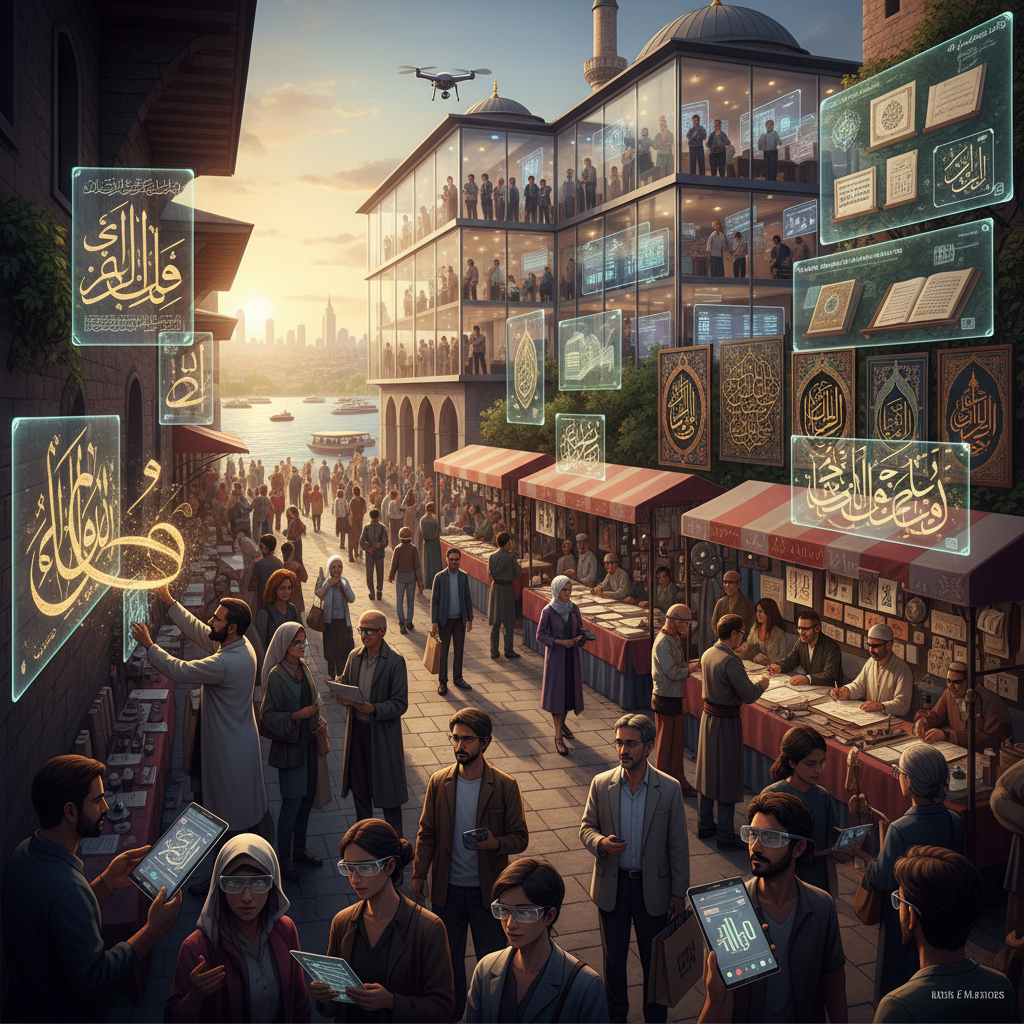
While deeply rooted in tradition, Istanbul calligraphy is far from static. In 2026, a new generation of artists and designers is pushing the boundaries, blending classical techniques with contemporary aesthetics and digital tools.
This evolution ensures the art form remains vibrant and relevant in a rapidly changing world. Modern calligraphers are exploring new mediums and applications, from graphic design to intricate art installations, showcasing the versatility of Istanbul calligraphy.
Contemporary Trends and Adaptations
Many artists today are experimenting with different materials, such as metal, glass, and textiles, to display calligraphic works. There's also a growing interest in abstract calligraphy, where the form takes precedence over literal legibility, allowing for more expressive interpretations.
Digital calligraphy and typography, inspired by traditional scripts, are also gaining traction. Designers are creating new fonts and digital artworks that pay homage to the rich heritage of Ottoman calligraphy while catering to modern design needs. This fusion ensures the art's continued visibility and accessibility. For insights into the broader art scene, see Artsy's Istanbul Art Guide.
Educational institutions and private workshops continue to offer training in classical calligraphy, ensuring the transmission of knowledge and skills to future generations. This dedication to education is vital for the art form's survival and growth.
Workshop Experiences and Collectors' Insights
For those looking for a hands-on experience, Istanbul offers various opportunities to learn the basics of calligraphy. Workshops led by skilled masters provide an invaluable insight into the discipline, patience, and spirituality embedded in every stroke of Istanbul calligraphy.
Collecting calligraphic art has also seen a resurgence. Both antique pieces and contemporary works are sought after by art enthusiasts and investors, recognizing the enduring value of this intricate art form.
Engaging with the Art Form
Consider participating in a beginner's workshop. Many cultural centers and small ateliers in areas like Sultanahmet or Balat offer short courses that introduce the tools, scripts, and philosophy behind Istanbul calligraphy. It’s an unforgettable way to connect with the city's artistic soul. Information on current workshops can often be found at Istanbul.com's culture section.
When looking to purchase calligraphic art, it’s advisable to consult reputable galleries and dealers. Authentic pieces, whether antique or modern, often come with a certificate of authenticity and artist information. This ensures you are acquiring a genuine piece of Istanbul's cultural heritage.
The vibrant legacy of Istanbul calligraphy continues to thrive in 2026, bridging glorious past with an innovative future. It remains a powerful symbol of beauty, wisdom, and the enduring human spirit, inviting everyone to explore its depths and marvel at its elegance.