Istanbul Ancient Wellness: Healing & History
In the vibrant tapestry of Istanbul, where East meets West, a rich history of healing and well-being unfolds. For centuries, this magnificent city has been a crossroads not just of trade and culture, but also of profound ancient wisdom concerning health. This year, in 2026, we invite you to embark on a journey through Istanbul ancient wellness, exploring the historic hospitals, rejuvenating hamams, and holistic practices that have shaped its unique approach to physical and spiritual health. From Byzantine medical centers to Ottoman thermal baths, Istanbul offers a captivating glimpse into the past while providing timeless lessons for contemporary well-being.
The Roots of Istanbul's Ancient Wellness: Byzantine Hospitals and Medical Schools
Long before the Ottoman Empire, Istanbul, then Constantinople, was a powerhouse of medical innovation. The Byzantine Empire established sophisticated hospitals and medical schools, often attached to monasteries, that were far ahead of their time. These institutions weren't just places for physical healing; they embraced a holistic approach, recognizing the interconnectedness of body, mind, and spirit. This rich heritage is a cornerstone of Istanbul ancient wellness.
Indeed, the Byzantine period saw significant advancements in surgery, pharmacology, and hygiene. Detailed medical texts from this era reveal a deep understanding of human anatomy and a progressive approach to patient care.
The Pantokrator Hospital Complex: A Medical Marvel
One of the most remarkable examples of Byzantine medical infrastructure is the Pantokrator Complex, established in the 12th century. This grand institution was more than just a hospital; it was a self-sufficient community dedicated to healing.
- It included specialized wards for different ailments.
- There were separate sections for men and women.
- It boasted a medical school, a pharmacy, and even an old people's home.
- Its design and operation set a high standard for medical care throughout the medieval world.
Continuing the Legacy: Early Ottoman Hospitals
With the conquest of Constantinople in 1453, the Ottomans inherited and expanded upon this rich medical heritage. Sultan Fatih Mehmet II established the Fatih Complex, which included a hospital that continued to integrate teaching and patient care, further cementing Istanbul's reputation as a center for medical knowledge.
Furthermore, these early Ottoman hospitals often incorporated elements from Islamic medicine, known for its emphasis on observation, empirical evidence, and a strong ethical framework for healthcare providers. This continuity from Byzantine to Ottoman practices showcases the enduring power of Istanbul's ancient wellness traditions. For more on the city's historical layers, explore Istanbul's Time-Bending Architecture.
The Enduring Allure of Hamams: A Pillar of Istanbul Ancient Wellness
No discussion of Istanbul ancient wellness is complete without significant attention to the hamam, or Turkish bath. More than just a place to wash, the hamam is a centuries-old ritual rooted in traditions of purification, relaxation, and social interaction.
Originating from Roman bath culture and adapted by Byzantine and later Ottoman societies, hamams became an integral part of daily life. They were places for physical cleansing, promoting skin health through exfoliation and steam, but also provided immense mental and spiritual benefits.
The Hamam Experience: A Journey to Rejuvenation
Entering a hamam is stepping into a timeless sanctuary. The experience typically begins in a warm room (ılık), allowing gradual acclimatization before moving to the hot room (sıcaklık or hararet).
- Sweating and Detoxification: The intense steam opens pores and promotes deep detoxification.
- Kese (Exfoliation): A highly skilled attendant uses a coarse mitt (kese) to remove dead skin cells, leaving the skin incredibly smooth.
- Soap Massage: This is often followed by a luxuriant soap massage, usually with a generous amount of foam, promoting circulation and relaxation.
- Cooling Down: The experience concludes in the cooling room (soğukluk), offering tea and a chance to unwind.
Visiting a historic hamam in Istanbul in 2026 offers a unique way to connect with the city's past and experience a form of self-care that has transcended generations. It's truly a profound aspect of Istanbul ancient wellness.
Historic Hamams Still Thriving Today
Istanbul is home to several magnificent historic hamams, many of which are still in operation, offering an authentic glimpse into this ancient practice. Some notable examples include:
- Ağa Hamamı: One of the oldest hamams in the city, dating back to the 15th century. You can learn more about its history on its official website.
- Ayasofya Hürrem Sultan Hamamı: A grand Ottoman hamam built for Hürrem Sultan, wife of Suleiman the Magnificent, beautifully restored and offering a luxurious experience. Discover more about this iconic structure here.
- Çemberlitaş Hamamı: An architectural masterpiece by Mimar Sinan, providing a traditional Turkish bath experience since 1584. For details, visit Çemberlitaş Hamamı's website.
These majestic structures are not just functional spaces but also architectural treasures, their domes and marble interiors whispering tales of centuries of cleansing and community. This tradition of intricate craftsmanship can also be seen in Istanbul's Vanishing Trades.
Holistic Approaches: Herbal Medicine and Spiritual Healing in Istanbul
Beyond hospitals and hamams, Istanbul ancient wellness encompassed a broad spectrum of holistic practices. Herbal medicine played a crucial role, drawing on the diverse flora of Anatolia and trade routes that brought exotic spices and botanicals from afar.
Consequently, apothecaries and physicians often prescribed herbal remedies for a wide range of ailments, understanding the therapeutic properties of various plants long before modern pharmacology.
The Role of Sufism and Spiritual Well-being
Spirituality was inextricably linked to wellness in ancient Istanbul. Sufism, a mystical branch of Islam, emphasizes inner purity, meditation, and connection to the divine as pathways to holistic health. The whirling dervishes, though known for their mesmerizing dance, engage in a form of active meditation aimed at spiritual ascension and mental clarity.
More importantly, the tranquility found in historic mosques and ancient tekkes (Sufi lodges) offered spaces for contemplation and inner peace, reinforcing the idea that true well-being extended beyond the physical body. These spiritual practices continue to influence the perception of health and balance in Istanbul even today in 2026, contributing to Istanbul ancient wellness.
Connecting with Istanbul's Wellness Heritage in 2026
Today, as we navigate the complexities of modern life, the insights from Istanbul ancient wellness offer valuable lessons. The emphasis on hygiene, community, natural remedies, and spiritual balance resonates strongly with contemporary wellness trends.
Visiting Istanbul in 2026 provides a unique opportunity to immerse oneself in these timeless practices. From experiencing the profound relaxation of a traditional hamam to wandering through sites of ancient hospitals, you can connect with a heritage that fostered well-being for millennia.
Practical Tips for Experiencing Ancient Wellness
- Visit a Traditional Hamam: Choose a reputable historic hamam for an authentic experience. Book in advance, especially for popular ones.
- Explore Historic Medical Sites: Although many ancient hospitals are now ruins or converted, their remnants (like parts of the Pantokrator Complex) offer insights into their grandeur.
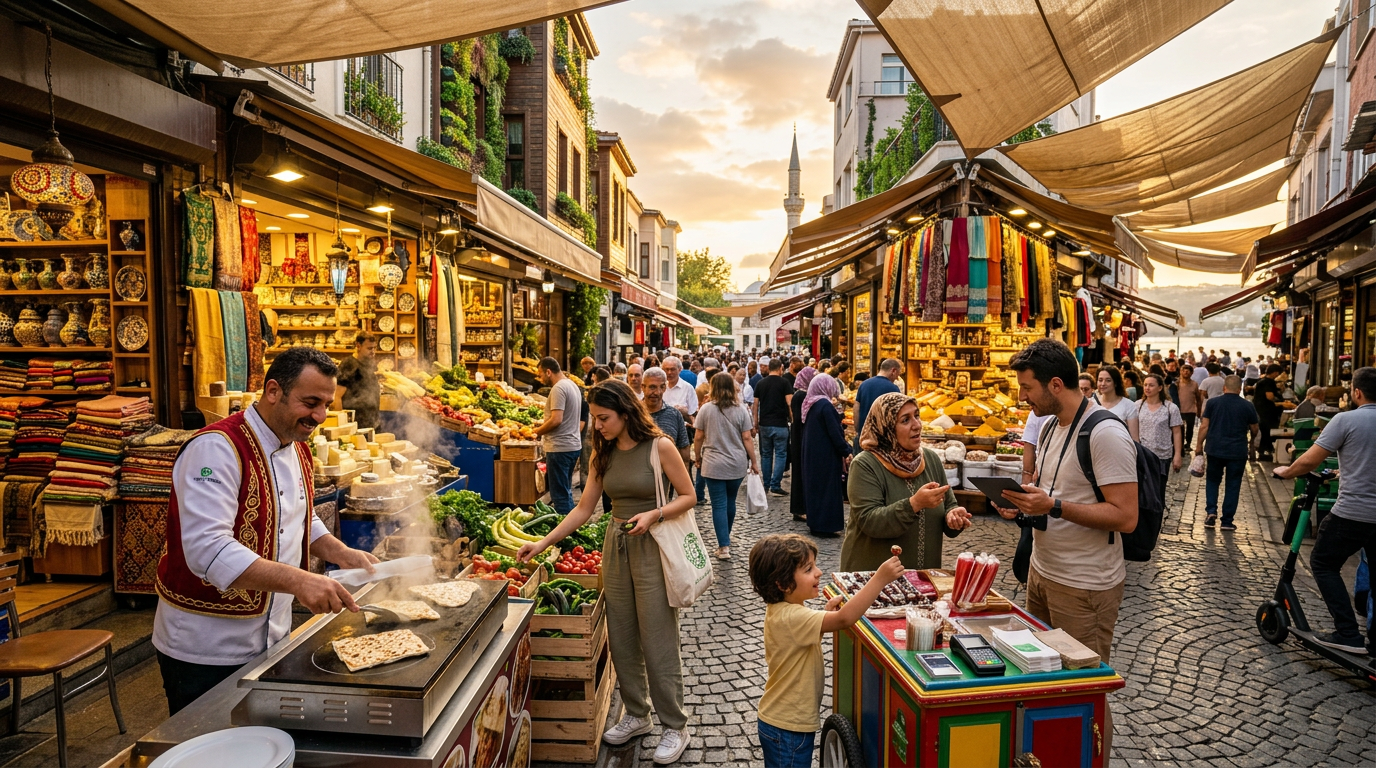
- Discover Herbal Remedies: Visit spice markets like the Spice Bazaar (Mısır Çarşısı) where you can still find traditional herbalists and natural remedies, much like exploring Istanbul's Time-Traveling Scents.
- Embrace Spiritual Tranquility: Find moments of peace in the city's magnificent mosques and serene gardens and palace grounds.
The journey through Istanbul ancient wellness is a profound exploration of humanity's enduring quest for health and happiness. It reminds us that balance, purification, and connection — both within ourselves and with our community — are fundamental to a flourishing life, a truth as relevant in 2026 as it was a thousand years ago.