Istanbul Architectural Transformation: Shaping the 2026 Skyline
Istanbul, a vibrant city where East truly meets West, has always been a canvas for diverse architectural styles. In 2026, we are witnessing an unprecedented phase of Istanbul architectural transformation, reshaping its iconic skyline while honoring its deep historical roots. From ancient Byzantine and Ottoman structures to cutting-edge contemporary designs, the city's built environment continues to evolve at a rapid pace. This blog post delves into the current trends, landmark projects, and the profound impact of these changes on Istanbul's identity, making it a must-visit destination for architectural enthusiasts.
The Dynamic Landscape of Istanbul Architectural Transformation in 2026
The urban fabric of Istanbul is a living organism, constantly adapting and growing. This year, 2026, marks a period of significant architectural innovation, driven by ambitious urban planning initiatives and a burgeoning economy. The blend of past and present is more apparent than ever, as modern marvels rise alongside meticulous historical preservation efforts. This dynamic shift underscores the exciting sustainable designs and future visions for Istanbul currently underway, all contributing to the ongoing Istanbul architectural transformation.
Moreover, the city's strategic location, straddling two continents, has always lent itself to a unique architectural narrative. Today, this narrative prominently features sustainable design principles and smart city concepts, influencing every new development. The overarching goal is to meticulously create a more livable and visually stunning metropolis for its millions of inhabitants and countless visitors, further enhancing the Istanbul architectural transformation.
Key Drivers Behind Istanbul's Architectural Growth
- Urban Regeneration Projects: Large-scale plans actively work to revitalize older districts, seamlessly integrating modern infrastructure with essential historical preservation. For more on how Istanbul manages its past, see Istanbul's Ancient Engineering.
- Infrastructure Modernization: Significant investment in new transport hubs, bridges, and tunnels, often featuring impressive architectural designs, is shaping the city. Explore the evolution of its transport in Istanbul's Time-Warp Transit.
- Sustainable Development Goals: There's a growing emphasis on green buildings, energy efficiency, and environmentally conscious construction methods, reflecting global trends.
- Cultural and Economic Expansion: New museums, art galleries, and commercial centers are being developed, further reflecting Istanbul's growing global standing and fostering continued Istanbul architectural transformation.
Embracing Modernity: New Landmarks and Designs of 2026
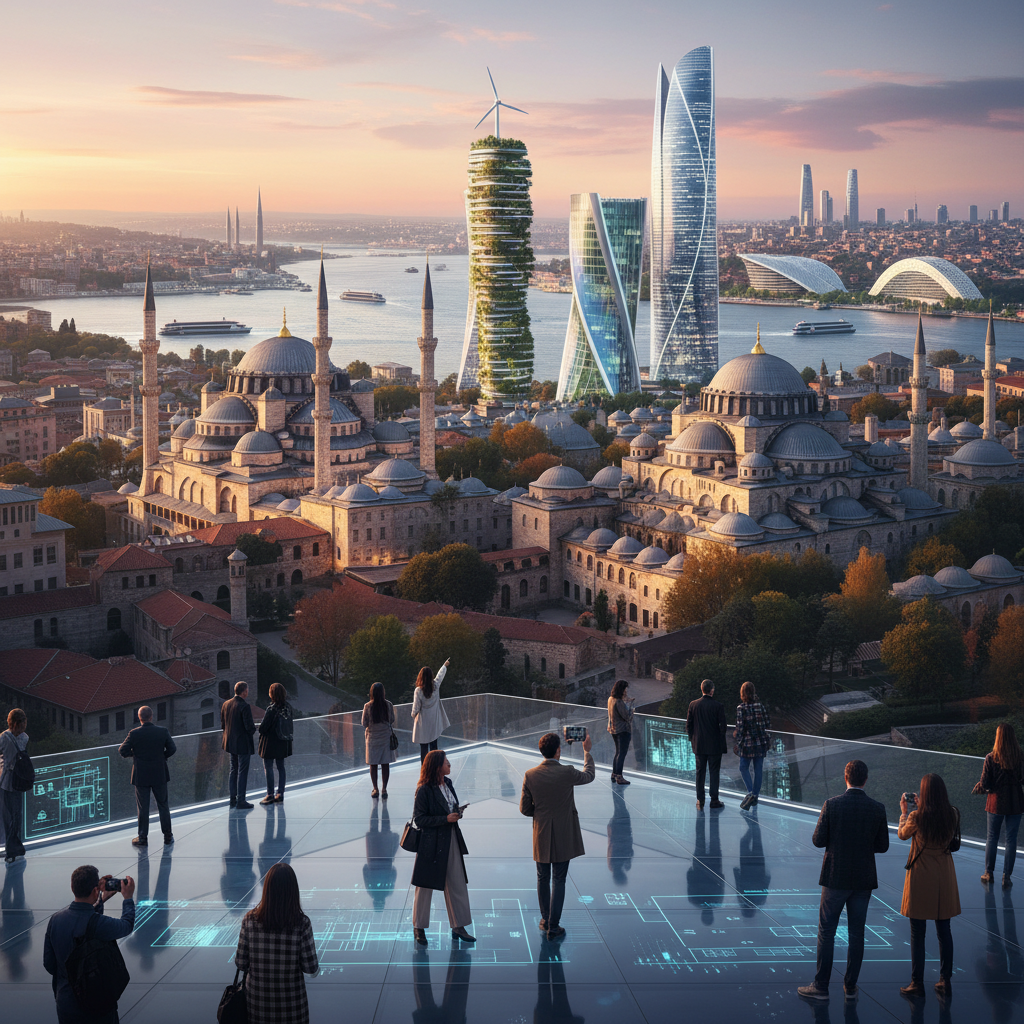
As part of the ongoing Istanbul architectural transformation, several projects are currently redefining the city's silhouette. These new landmarks are not just buildings; they are powerful statements about Istanbul's future, characterized by innovative design, advanced technology, and a steadfast commitment to urban functionality. Therefore, they offer a glimpse into the city's aspirations.
The construction sector in Istanbul is booming, with architects from around the world contributing their visions. This influx of diverse talent ensures that new structures are often groundbreaking, pushing the boundaries of conventional design while still respecting the local context. Expect to see more mixed-use developments, vertical cities, and intelligent buildings shaping the urban landscape. For a look at how Istanbul's economic landscape has shifted over time, refer to Istanbul's Ancient Fortunes.
Notable Contemporary Projects Driving Istanbul Architectural Transformation
- Istanbul Airport Expansion Phase IV: This ongoing project, set to complete new sections by late 2026, showcases modern Turkish design principles on a massive scale, focusing on efficiency and passenger experience. This hub is a critical point for understanding Turkey's economic growth, as detailed by Invest in Turkey.
- Galataport Istanbul (Full Realization): While partially open for years, the complete integration of its cultural and retail components, along with new residential sections, is receiving significant attention this year. It's a prime example of successful waterfront revitalization, showcasing the city's maritime history and unseen shorelines.
- New Financial Center Towers: Several prominent skyscrapers in the Ataşehir district are nearing completion, designed by internationally renowned architects. These buildings are set to become iconic symbols of Istanbul's economic power and its Istanbul architectural transformation.
Preserving the Past Amidst Istanbul Architectural Transformation
Despite the rapid modernization, Istanbul remains deeply committed to preserving its rich architectural heritage. The Istanbul architectural transformation is not solely about new constructions; it's also about meticulously restoring and repurposing historical sites, ensuring their survival for future generations. Thus, a delicate balance is maintained.
From the intricate mosaics of the Hagia Sophia to the majestic domes of the Blue Mosque, the city's past is undoubtedly its greatest treasure. Conservation efforts are often at the forefront of urban planning, carefully balancing the needs of a modern metropolis with the reverence for its ancient roots. This commitment ensures the essence of Istanbul enjoys a continuous presence. Learn more about the city's past through Istanbul's Ancient Guilds and Crafts.
Iconic Historical Preservation Efforts
- Restoration of Basilica Cistern: This ancient underground marvel continues to undergo delicate conservation work, enhancing its structural integrity and visitor experience. Recent enhancements in lighting and pathways are particularly noteworthy this year. The Turkish Ministry of Culture and Tourism often oversees such projects; additional details can be found on their official site, Turkish Ministry of Culture and Tourism.
- Fatih Urban Regeneration Project: Focusing on the historical Fatih district, this multi-year endeavor includes the restoration of Ottoman-era wooden houses and Byzantine walls, effectively bringing old neighborhoods back to life and preserving their unique character as part of the broader Istanbul architectural transformation.
- Süleymaniye Mosque Complex Conservation: Ongoing efforts ensure that Mimar Sinan's masterpiece maintains its grandeur, including intricate facade cleaning and structural reinforcement, safeguarding its historical significance.
The Impact of Architecture on Istanbul's Cultural Identity
Architecture in Istanbul is more than just buildings; it's a profound reflection of the city's layered cultural identity. The constant Istanbul architectural transformation continues to shape how residents and visitors experience this vibrant metropolis. Indeed, each new structure, whether a towering skyscraper or a meticulously restored historical monument, adds another compelling chapter to Istanbul's ongoing story.
The interplay of old and new creates a truly unique urban tapestry, making Istanbul a fascinating study for urban planners and historians alike. This dynamic blend contributes significantly to the city's allure as a global tourism destination, with every street corner offering a captivating glimpse into its past, present, and future.
Architecture as a Cultural Narrative
- Creating New Public Spaces: Modern architectural projects often include expansive public squares and parks, fostering essential community interaction and cultural events.
- Reflecting Global Trends: Contemporary buildings incorporate international design philosophies, signaling Istanbul's place on the world stage and its ongoing Istanbul architectural transformation.
- Honoring Local Aesthetics: Even brand-new structures often incorporate elements of traditional Turkish design, such as intricate geometrics or evocative forms, ensuring a strong sense of place and heritage. For a deeper dive into design influences, explore Istanbul's Time-Traveling Decor.
Sustainable Architecture and Future Visions for Istanbul in 2026
Looking ahead, the direction of Istanbul architectural transformation is increasingly geared towards sustainability and smart city concepts. In 2026, there is a strong emphasis on integrating green technologies, energy-efficient designs, and resilient infrastructure into all new developments. This forward-thinking approach aims to create a more resilient and environmentally friendly urban environment for all.
The goal is to mitigate the effects of climate change and significantly improve the quality of life for Istanbul's residents. Architects and urban planners are collaborating on innovative solutions, from vertical gardens to smart energy grids, ensuring Istanbul's continued prosperity in harmony with nature and driving further eco-conscious exploration and sustainable travel.
Future Architectural Trends in Istanbul
- Green Building Certifications: A rising number of commercial and residential projects are actively seeking LEED or BREEAM certifications, demonstrating a commitment to sustainability.
- Smart City Technologies: Integration of IoT (Internet of Things) for better traffic management, efficient waste collection, and optimized energy consumption is becoming standard.
- Biophilic Design: Incorporating natural elements and principles into building design is growing, aiming to enhance occupant well-being and connection to nature.
- Resilient Urban Planning: Designing infrastructure to withstand natural disasters and adapt efficiently to future environmental challenges is a key focus for future Istanbul architectural transformation.
In conclusion, Istanbul in 2026 is a city in constant motion, where the echoes of ancient empires meet the ambitions of the 21st century. The ongoing Istanbul architectural transformation is a testament to its enduring spirit, actively creating a metropolis that is both deeply rooted in history and boldly looking towards the future. Whether you are an architectural enthusiast, a historian, or simply a curious traveler, Istanbul offers an unparalleled journey through centuries of design and innovation, making it a truly remarkable destination.