Istanbul Interior Design History: From Byzantine Mosaics to Modern Design Influences
Delving into the rich tapestry of Istanbul interior design history offers a fascinating journey through centuries of cultural confluence and artistic innovation. This vibrant metropolis, straddling two continents, has always been a melting pot of civilizations, each leaving an indelible mark on its architectural and decorative aesthetics. From the grandeur of Byzantine mosaics to the opulent details of Ottoman palaces and the sleek minimalism of contemporary apartments, Istanbul's interiors reflect its dynamic past and present.
The Byzantine Foundations: Early Chapters in Istanbul Interior Design History
The story of Istanbul's interiors begins with its Byzantine era, when the city, then known as Constantinople, served as the capital of the Eastern Roman Empire. This period, lasting over a thousand years, laid a sophisticated foundation for future design trends. Interiors were characterized by a powerful blend of Roman engineering and Eastern artistic sensibilities. For more on the city's ancient infrastructure, explore Istanbul's Ancient Engineering: Unveiling Roman Roads, Byzantine Bridges & Ottoman Aqueducts in 2026.
Mosaics and Marble: Walls that Spoke
- Iconic Mosaics: Byzantine interiors were famed for their breathtaking mosaics, particularly in ecclesiastical structures like the Hagia Sophia. These intricate artworks, often depicting religious scenes, figures, and elaborate patterns, covered vast wall and ceiling spaces, reflecting light and creating an ethereal atmosphere.
- Luxurious Materials: Marble, often imported from distant quarries, was a primary material, used for floors, wall panels, columns, and decorative accents. Different colors and patterns of marble were employed to create stunning geometric designs and enhance the sense of grandeur.
- Symmetry and Symbolism: Byzantine design emphasized symmetry and rich symbolism. Every element, from the layout of a basilica to the motifs on a capital, carried profound meaning, reflecting the deep spiritual focus of the era.
These elements of early Istanbul interior design history set a high standard for decorative artistry and architectural elegance, influencing subsequent cultures that would shape the city. The Byzantine period also excelled in textile production, as detailed in Istanbul's Time-Traveling Textiles: Weaving Stories from Byzantine Silks to 2026's Fashion Forward Designs.
Ottoman Opulence: A Golden Age of Interior Embellishment
With the conquest of Constantinople in 1453 and its renaming to Istanbul, a new chapter in its interior design aesthetic began – the Ottoman period. This era brought a spectacular blend of Persian, Coptic, and Islamic influences, alongside a continued appreciation for Byzantine techniques, creating a uniquely Ottoman style. This rich period significantly shaped Istanbul interior design history.
Palatial Grandeur and Domestic Comfort
- Tilework (Çini): Ottoman interiors are synonymous with exquisite ceramic tilework, particularly Iznik tiles. These vibrant, hand-painted tiles adorned walls, fireplaces, and fountains in mosques, palaces, and elite residences, featuring intricate floral patterns, calligraphic inscriptions, and geometric motifs.
- Woodwork and Calligraphy: Detailed wooden craftsmanship, often incorporating mother-of-pearl inlays, was prevalent in ceilings, doors, cupboards, and screens. Calligraphy, revered as a high art form, was integrated into architectural elements, friezes, and decorative panels, often featuring verses from the Quran.
- Textiles and Furnishings: Rich textiles played a crucial role in Ottoman interiors. Luxurious carpets, cushions, divans, and wall hangings provided comfort, color, and texture, defining distinct living spaces within larger rooms.
- Fountains and Natural Light: Indoor fountains were common features, providing both aesthetic beauty and a cooling effect. The strategic placement of windows and courtyards maximized natural light, creating bright and airy environments.
The evolution of Istanbul interior design history during the Ottoman Empire was marked by an embrace of elaborate detail, comfort, and a harmonious integration of art and architecture, reflecting a sophisticated way of life that continues to inspire designers even in 2026. This period also saw flourishing ancient guilds and crafts that greatly contributed to these opulent interiors.
From Empire to Republic: Adapting Through the Centuries
As the Ottoman Empire waned and the Turkish Republic emerged in the early 20th century, Istanbul's interior design began to reflect global trends while retaining its distinct character. The 19th century saw influences from Neoclassical, Baroque, and Rococo styles, evident in palaces like Dolmabahçe, which blended European grandeur with Ottoman sensibilities. Many of these historical influences can still be observed in the city's time-bending architecture, showcasing the continuous evolution of Istanbul interior design history.
Modernity and Cultural Identity in Istanbul Interior Design History
- Early Republican Era: The early Republic sought to modernize, leading to a simplification of design. While Ottoman motifs sometimes persisted, there was a move towards more functional and less ornate interiors, reflecting new national ideals.
- Mid-20th Century: Post-World War II, international modernist movements began to strongly influence Istanbul designers. Clean lines, functionalism, and new materials like concrete and steel gained prominence, though often adapted with local touches.
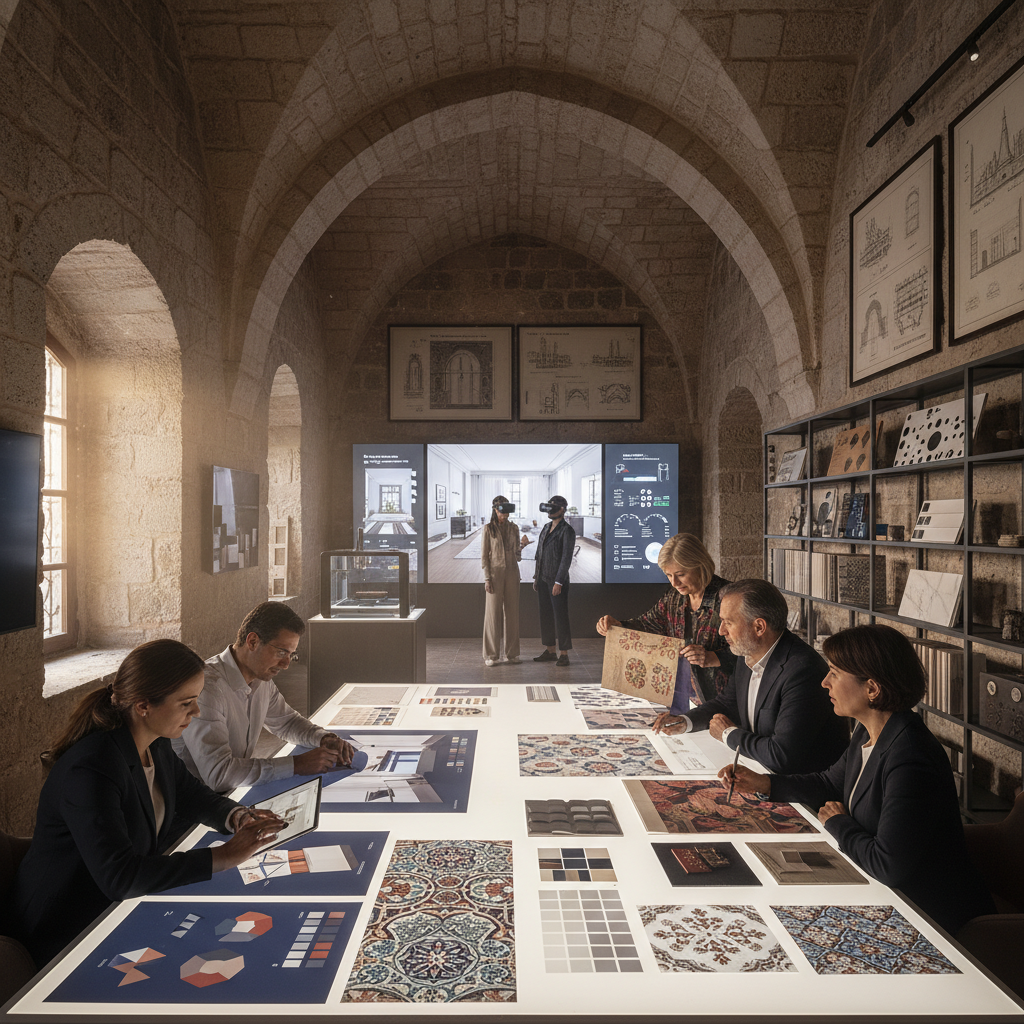
- Contemporary Blending: Today, in 2026, Istanbul's interiors are a vibrant fusion. Designers often incorporate traditional elements like Turkish rugs, Iznik-inspired ceramics, and copperware into sleek, minimalist settings, creating a unique aesthetic that honors both past and present.
This ongoing adaptation highlights the dynamic nature of Istanbul interior design history, perpetually evolving yet always connected to its roots.
2026 and Beyond: Future Trends and Enduring Influences in Istanbul Interior Design
Looking ahead to 2026, Istanbul interior design continues to be a compelling blend of heritage and cutting-edge innovation. The city's unique position as a cultural bridge ensures that its interiors remain diverse and inspiring. For further exploration of future urban planning, read about Istanbul's 'Future Echoes': Unveiling Tomorrow's City Through Innovation & Sustainable Design in 2026.
Key Trends Shaping Istanbul Interiors in 2026
- Sustainable Design: There's a strong push towards eco-friendly materials and practices. Local, natural resources are increasingly favored, alongside upcycled and repurposed elements that tell a unique story. Learn more about sustainable travel in Istanbul.
- Biophilic Design: Bringing the outdoors in is a major trend. Lush greenery, natural light, and organic textures are integrated to create calming and healthy living spaces, reflecting Istanbul's beautiful natural surroundings.
- Celebrating Artisanship: There's a renewed appreciation for handcrafted items. Artisanal ceramics, intricate textile art, and bespoke furniture pieces are valued for their uniqueness and connection to traditional Turkish craftsmanship. Projects like the Istanbul Design Biennial showcase this blend of tradition and modernity.
- Smart Home Integration: Technology plays an increasingly subtle but significant role, with smart home systems seamlessly integrated into traditional or modern designs, enhancing comfort and efficiency without compromising aesthetics.
- Fusion of Eras: Designers are expertly blending historical elements with contemporary decor. An antique Ottoman coffee table might sit alongside a minimalist sofa, or a Byzantine-inspired mosaic pattern could adorn a feature wall in a modern apartment, showcasing the breadth of Istanbul interior design history. A great resource for Turkish design inspiration is Architectural Digest's guide to Turkish interior design. These trends align with how Istanbul is redefining its urban landscape, as seen by the city's initiatives to redefine urban living in 2026.
The continuous dialogue between global trends and the profound legacy of Byzantine and Ottoman artistry ensures that Istanbul interior design history is not just a study of the past, but a living, breathing narrative that unfolds beautifully in the present and into the future.