Istanbul Call to Prayer: Evolution and Modern Resonances
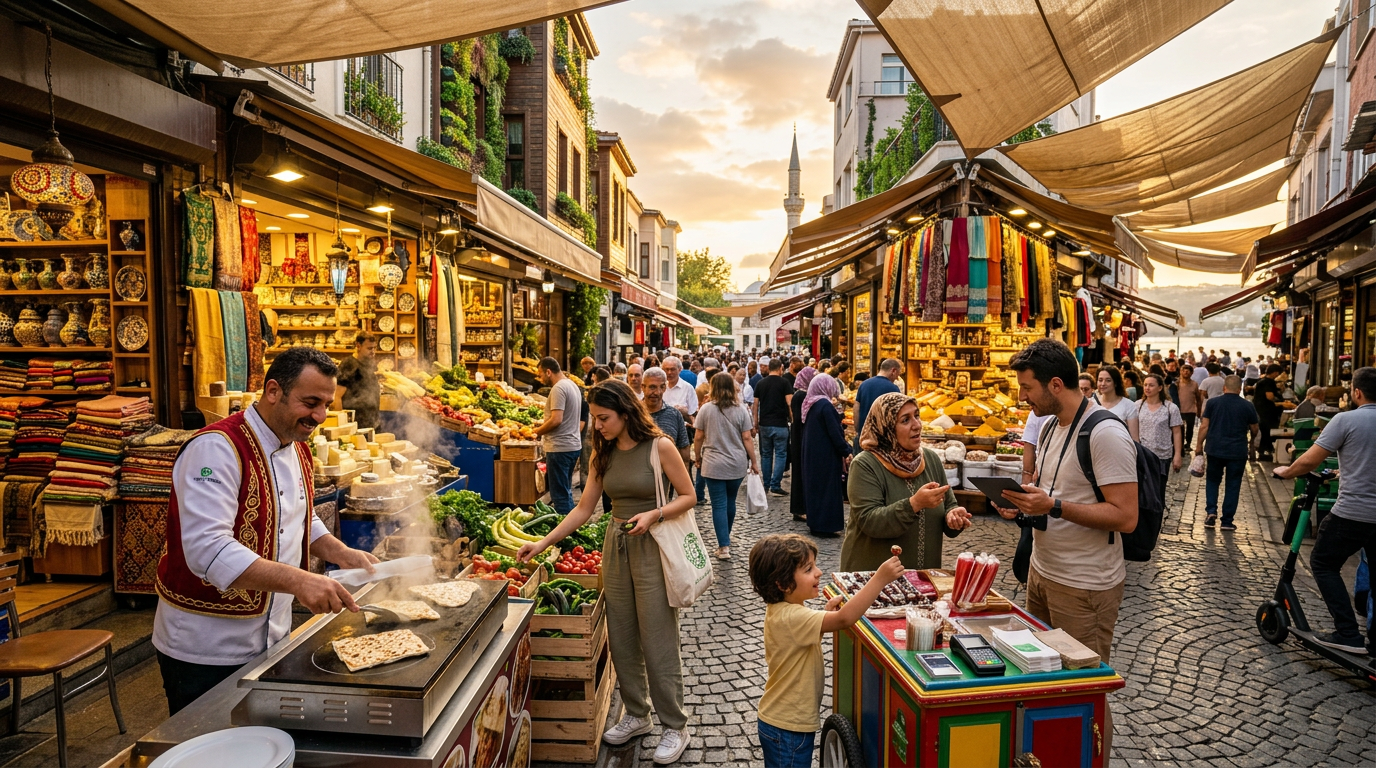
Stepping onto the historic streets of Istanbul, one of the most immediate and profound sounds to captivate visitors is the Istanbul call to prayer, or Adhan. This melodious vocalization, echoing from thousands of minarets across the city, marks the passage of time and invites the faithful to worship. In 2026, as Istanbul continues its dynamic blend of ancient traditions and modern metropolitan life, the Adhan remains a central, vibrant thread in the city's rich cultural tapestry, a timeless sound that has adapted and endured through centuries.
To delve deeper into the city's layered past, consider exploring Istanbul's Ancient Palimpsest: Unearthing Layers of Forgotten Cities Beneath the Modern Metropolis in 2026, which offers insights into the archaeological discoveries continually shaping our understanding of this historic urban center.
The Historical Roots and Spiritual Significance of the Istanbul Call to Prayer
The history of the Istanbul call to prayer is intrinsically linked to the city's conquest and its transformation from Constantinople to the capital of the Ottoman Empire. Sultan Mehmed II famously converted Hagia Sophia into a mosque, and shortly thereafter, the Adhan began to resonate across the city, signifying a new era.
The call itself originated during the time of Prophet Muhammad in the 7th century, serving as a practical and spiritual summon. Originally, Bilal ibn Rabah, one of the Prophet's companions, delivered the first Adhan, establishing a tradition that has been meticulously preserved and passed down through generations. In Istanbul, this tradition gained unique stylistic embellishments over time.
For more about Istanbul's spiritual gateways, you might enjoy reading Istanbul's Ancient 'Gates to the Divine': Unveiling Holy Doors & Sacred Thresholds in 2026, which complements the theme of sacred spaces and traditions.
The Five Daily Calls of the Istanbul Call to Prayer
Muslims are called to prayer five times a day, each Adhan occurring at specific times determined by the sun's position. These are:
- Fajr (Dawn Prayer): Before sunrise, marking the start of a new day.
- Dhuhr (Noon Prayer): After the sun reaches its zenith.
- Asr (Afternoon Prayer): Late afternoon.
- Maghrib (Sunset Prayer): Immediately after sunset, often a very poignant call.
- Isha (Night Prayer): Before midnight, concluding the day's prayers.
Each call not only signifies a prayer time but also serves as a spiritual anchor, reminding the community of their faith and connection to God throughout the day. The Istanbul call to prayer is a constant presence.
The Role of the Muezzin in the Istanbul Call to Prayer
The individual who delivers the Istanbul call to prayer is known as the Muezzin. This role is considered highly honorable and requires a beautiful voice, a deep understanding of Islamic prayer times, and a strong sense of devotion. Historically, muezzins would climb the minarets to deliver the Adhan without amplification.
Today, while the role remains the same, technology plays a significant part. Most mosques use sophisticated sound systems to ensure the call reaches far and wide. However, the artistry and emotional delivery of a skilled muezzin remain paramount for the Istanbul call to prayer.
Musicality and Melodic Variations: The Art of the Adhan
While the Arabic words of the Adhan are standard across the Islamic world, its melodic delivery varies greatly by region. In Istanbul, the Istanbul call to prayer is well-known for its distinct melodic modes, or maqams, which lend it a unique sonic identity.
Different maqams are traditionally used for different prayer times, reflecting the spiritual mood of that part of the day. This tradition adds another layer of beauty and cultural depth to the city's soundscape.
- Maqam Rast: Often used for Fajr (dawn prayer), conveying a sense of awakening and new beginnings.
- Maqam Saba: Sometimes employed for Dhuhr (noon prayer), reflecting a more introspective mood.
- Maqam Hijaz: A versatile maqam often used for Asr or Maghrib, known for its emotional resonance.
- Maqam Ussak: Frequently used for Maghrib (sunset prayer), evoking a sense of calm and reflection as the day ends.
These melodic variations are not arbitrary; they are passed down through centuries of tradition, reflecting the deep connection between music, spirituality, and culture in Ottoman and Turkish society. Hearing the different maqams throughout the day is a subtle yet profound experience for both residents and visitors in 2026. For further exploration of Istanbul's auditory heritage, discover Istanbul's Ancient Melodies: Unearthing Byzantine Choirs, Ottoman Miniatures & Modern Soundscapes in 2026.
The Istanbul Call to Prayer in the Modern Metropolis of 2026
In 2026, Istanbul is a bustling global city. Skyscrapers pierce the horizon, futuristic trams glide through ancient streets, and the digital pulse of modern life is undeniable. Yet, amidst this modernity, the Istanbul call to prayer remains a constant, unifying sound. It serves as a powerful reminder of the city's enduring heritage.
The calls from thousands of mosques, often synchronized or overlapping, create a unique auditory experience. For many, it's a comforting sound, a connection to home and faith. For tourists, it's an exotic and captivating element that defines their Istanbul experience.
Technology and Timings for the Istanbul Call to Prayer
Today, prayer times are precisely calculated using astronomical data and communicated digitally. Many residents rely on smartphone apps that alert them to prayer times and even provide the Adhan audio. This blend of tradition and technology ensures the accuracy and widespread dissemination of the Istanbul call to prayer in a fast-paced environment.
Despite technological advancements, the human element, the voice of the muezzin, remains central. Mosques often compete to attract talented muezzins, and some are renowned for the beauty of their voices, drawing people specifically to their mosque for prayer.
Cultural Impact and Tourist Attraction of the Istanbul Call to Prayer
The Adhan is undoubtedly one of Istanbul's most distinctive cultural markers. Many travel guides and documentaries highlight its evocative power. Tourists often describe it as a mesmerizing and spiritual experience, adding a unique dimension to their visit. The Istanbul call to prayer is a must-experience.
Photography enthusiasts are particularly fond of capturing moments when the call echoes against a backdrop of historic mosques, especially during sunrise or sunset, creating highly Instagrammable moments that resonate globally. For stunning visual inspiration, consider visiting National Geographic's feature on Istanbul.
Experiencing the Istanbul Call to Prayer: Tips for Visitors
For those visiting Istanbul in 2026, experiencing the Istanbul call to prayer can be a highlight of their trip. It's an opportunity to connect with the city's spiritual rhythm and cultural heartbeat.
Here are some tips to make the most of this unique experience:
- Listen Actively: Don't just hear it in the background; pause, close your eyes, and truly listen to the melody and words.
- Visit a Mosque: Consider visiting a mosque during non-prayer times to understand the architecture and the role of the muezzin more deeply. Respect appropriate dress codes (covering shoulders and knees for both men and women, head covering for women). For guidelines on mosque etiquette, this resource on the Blue Mosque provides helpful information.
- Observe the Locals: Notice how locals react. For many, business pauses briefly, and some may head to the nearest mosque or find a quiet place to pray.
- Sunrise or Sunset: The Fajr (dawn) and Maghrib (sunset) calls are often described as the most atmospheric and moving. Position yourself near a historic mosque like the Blue Mosque or Suleymaniye Mosque for an unforgettable experience of the Istanbul call to prayer.
- Learn the Meaning: Understanding the simple yet profound meaning of the Adhan (God is great, there is no god but Allah, Muhammad is His messenger, come to prayer, come to salvation) can deepen your appreciation.
The overlapping calls from different mosques, often creating a harmonious yet complex tapestry of sound, is a truly unique Istanbul phenomenon that visitors cherish. Discover more about the city's incredible vistas in Istanbul's Ancient Sky-High Views: Scaling Historic Towers & Modern Rooftops for 2026's Best Panoramas.
Conclusion: The Enduring Voice of Istanbul
As Istanbul moves forward in 2026, embracing technology and global trends, the Istanbul call to prayer remains a powerful constant. It is more than just a religious summons; it is a profound cultural anthem, a historical echo, and a living soundscape that continues to define the city's unique character.
From the ancient stones of Byzantine churches to the modern facades of business districts, the Adhan weaves its way through every corner of Istanbul, reminding everyone of the city's deep roots and its vibrant spiritual core. It’s a sound that transcends language, inviting all to pause and reflect on the enduring beauty and heritage of this magnificent city.