Istanbul's Time-Traveling Tables: Dining Through Centuries of Istanbul Culinary History in 2026
Step into a world where every bite tells a story, a journey through time that awakens the senses and tantalizes the palate. This 2026, as Istanbul continues to captivate visitors with its ancient charm and modern vibrancy, understanding the rich tapestry of Istanbul culinary history is essential for any food enthusiast. From the lavish courts of sultans to the bustling street food stalls, the city’s gastronomic evolution is a testament to its pivotal role as a crossroads of civilizations. Join us as we delve deep into the flavors and traditions that have shaped this incredible city's dining scene.
The Byzantine Roots of Istanbul Culinary History
Before it became the Ottoman capital, Constantinople, as it was known, was the heart of the Byzantine Empire. This period laid foundational elements for much of the region's future culinary development. Byzantine cuisine was a sophisticated blend of Roman, Greek, and Eastern influences, emphasizing fresh seasonal ingredients.
Historians note a significant focus on grains, legumes, and intricate sauces. Fish, given the city's coastal location, was also a staple. The Byzantine aristocracy enjoyed elaborate feasts, setting a precedent for the culinary grandeur that would follow.
Staples of Byzantine Dining
- Grains and Bread: Central to every meal, often incorporating various flours.
- Legumes and Vegetables: Lentils, chickpeas, cabbage, and spinach were widely consumed.
- Olive Oil: A fundamental fat, used extensively in cooking and preserving.
- Spices: While not as exotic as later periods, cinnamon, pepper, and cumin were present.
Early Culinary Influences
The trade routes passing through Constantinople brought diverse foodstuffs and cooking techniques. This early fusion paved the way for the complex flavors that would eventually define Turkish cuisine. The interaction with various cultures meant techniques for preserving, pickling, and fermenting food became highly developed.
Ottoman Empire: The Golden Age of Istanbul Culinary History
The transition from Byzantine Constantinople to Ottoman Istanbul marked a monumental shift, not least in its gastronomy. The Ottoman Empire, spanning centuries, cultivated one of the most diverse and influential culinary traditions globally. The palace kitchens, particularly those of Topkapi Palace, were legendary, employing thousands of cooks specializing in various dishes.
This period saw the refinement of many dishes still enjoyed today and the introduction of new ingredients from vast imperial territories. The sheer variety and sophistication of Ottoman cuisine truly cemented its place in Istanbul culinary history.
Palace Kitchens and Culinary Innovation
The imperial kitchens were laboratories of culinary innovation. Chefs from different regions of the empire brought their local specialties, which were then adapted and perfected for the imperial palate. This cross-pollination resulted in dishes that were both grand and subtly nuanced.
Records from the time detail an extensive pantry and a meticulous approach to food preparation. Feasts were not just meals; they were elaborate spectacles, reflecting the power and wealth of the sultan.
Key Ottoman Culinary Contributions
- Kebab Varieties: From simple grilled meats to complex stews.
- Mezze: A delightful array of small plates, perfect for sharing.
- Pastries and Sweets: Baklava, kadayıf, and various halvahs, often rich in nuts and syrup.
- Yogurt-based Dishes: Incorporating yogurt across savory and sweet preparations.
- Stuffed Vegetables (Dolma): A masterful use of seasonal produce.
The Ottoman period also saw the widespread adoption of coffee, transforming social customs and establishing coffee houses as vital community hubs. This cultural impact extended far beyond just the beverage itself. Learn more about Istanbul's Coffee Culture: From Ottoman Traditions to Modern Brews in 2026.
Street Food and Market Traditions Through the Ages
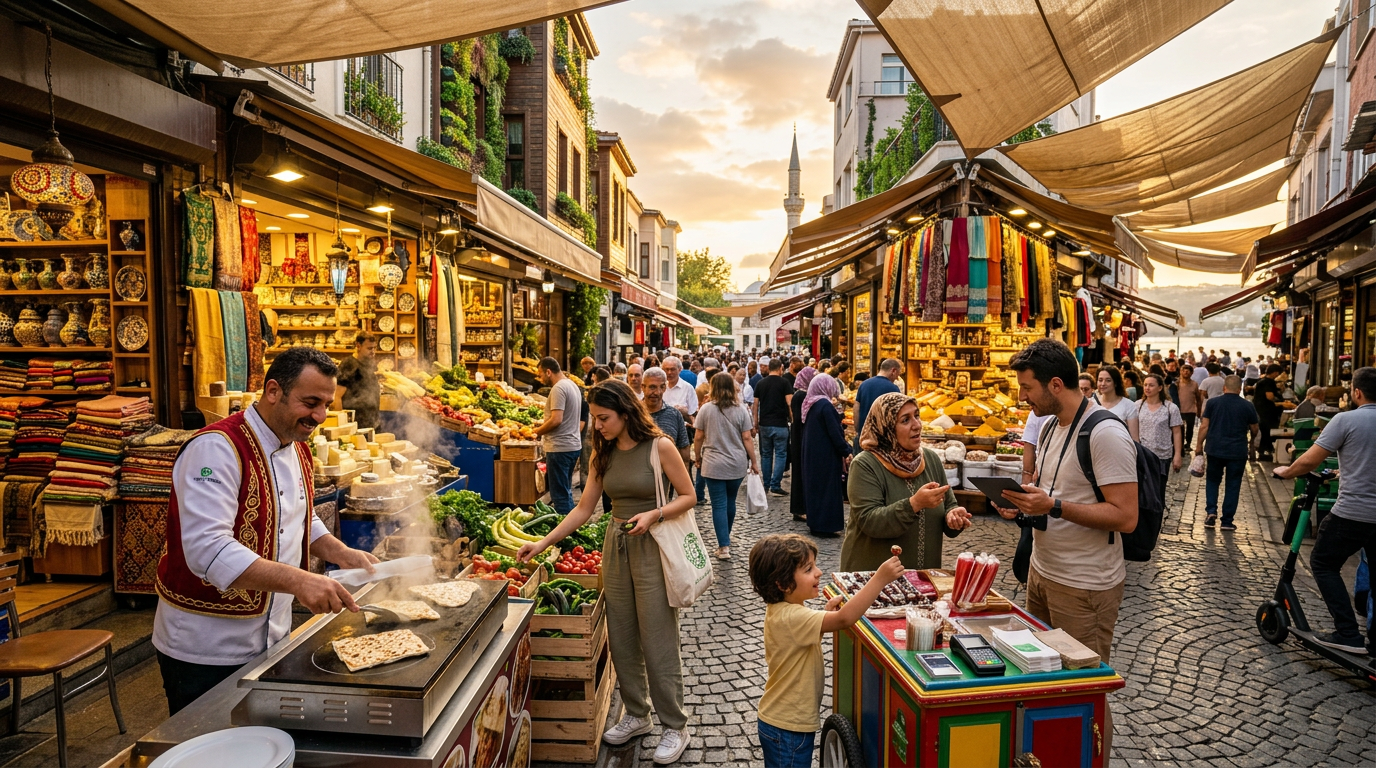
While palace kitchens defined haute cuisine, the streets and markets of Istanbul have always been the beating heart of its everyday food culture. This vibrant street food scene has a long and storied past, offering accessible and delicious options for all social strata. It provides a fascinating, informal insight into Istanbul culinary history.
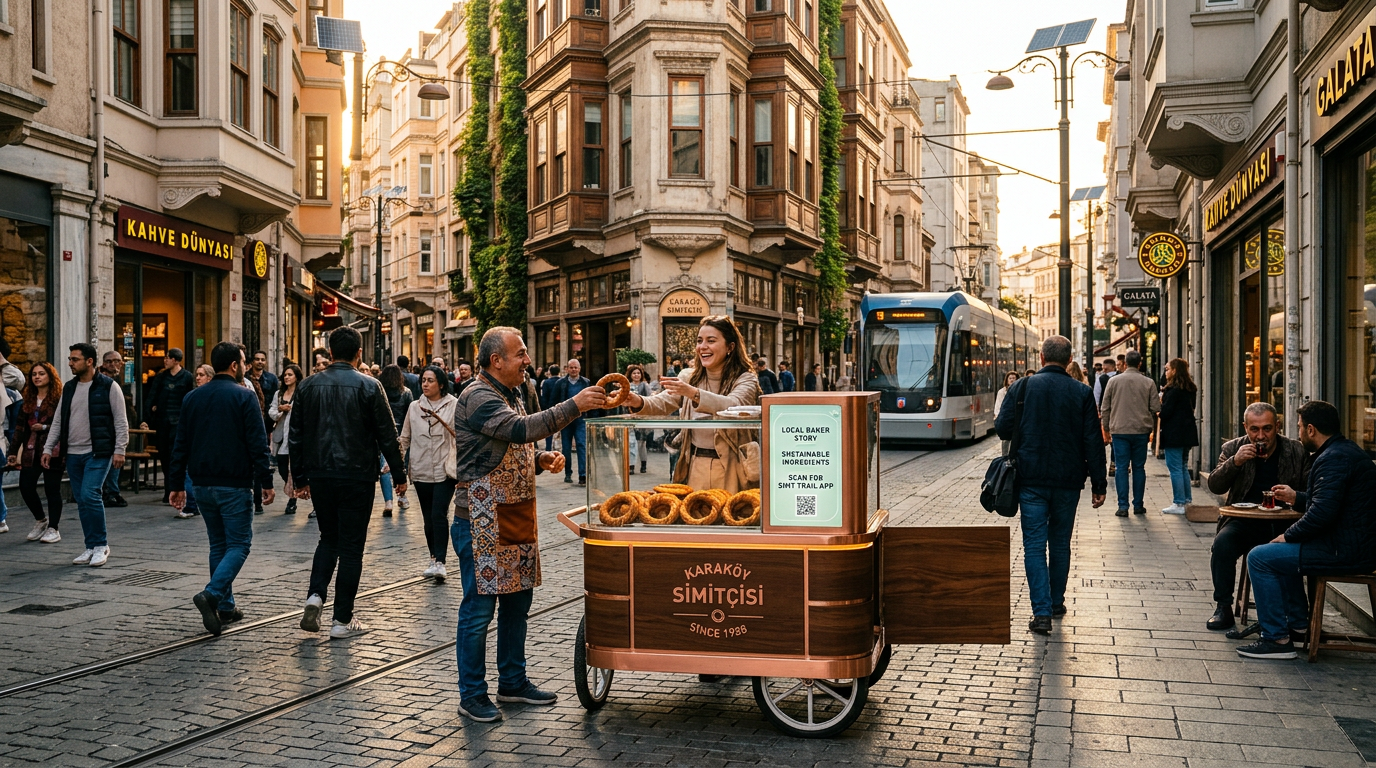
Even today, a stroll through areas like Eminönü or Kadıköy reveals vendors selling age-old delicacies, from simit to roasted chestnuts, demonstrating the continuity of these traditions into 2026.
Historic Street Delicacies
- Simit: The iconic sesame-crusted bread ring, a breakfast staple for centuries.
- Börek: Flaky pastries filled with cheese, meat, or spinach.
- Balık Ekmek: Grilled fish sandwiches, particularly popular along the Bosphorus.
- Lokma: Sweet, syrupy fried dough balls, a beloved dessert.
The Grand Bazaar and Spice Market
These historic markets have played a crucial role in shaping Istanbul's culinary identity. For centuries, they have been centers of trade, bringing exotic spices, dried fruits, nuts, and other ingredients from across the globe. Exploring these markets is not just a shopping experience; it's a sensory journey through time, reflecting the diverse influences on Istanbul culinary history.
The aromas alone tell a story of ancient trade routes and cultural exchange, a living testament to the city's enduring role as a global melting pot. Discover more hidden gems beyond the Grand Bazaar. For a deeper dive into the city's past, consider exploring Istanbul's Time-Traveling Trails.
Modern Istanbul: A Fusion of Past and Present Dining
In 2026, Istanbul's culinary scene is a dynamic blend of deep-rooted traditions and contemporary innovation. While classic Turkish dishes remain ever-popular, a new generation of chefs is reinterpreting ancient recipes, adding modern twists, and incorporating global influences. This vibrant evolution ensures that Istanbul culinary history is not just preserved but continually reanimated.
The city now boasts an array of fine dining establishments alongside traditional eateries, catering to increasingly diverse palates. Farm-to-table movements, sustainable sourcing, and an emphasis on organic ingredients are also gaining traction, reflecting global culinary trends.
Emerging Culinary Trends in 2026
- New Anatolian Cuisine: Chefs focusing on regional ingredients and forgotten recipes.
- Vegan and Vegetarian Options: A growing demand for plant-based interpretations of Turkish classics.
- Gastro-Pubs and Craft Breweries: Reflecting a global trend towards artisanal beverages.
- International Fusion: Incorporating elements from Japanese, Italian, and other global cuisines.
Preserving Culinary Heritage
Despite these modern developments, there's a strong emphasis on preserving the authenticity of Turkish cuisine. Culinary schools and cultural organizations are dedicated to teaching traditional cooking methods and recipes to new generations. This commitment ensures that the essence of Istanbul culinary history continues to thrive, balancing innovation with respect for the past.
From the humblest simit vendor to Michelin-starred restaurants, Istanbul's food scene in 2026 is a delicious continuum of its extraordinary past, inviting everyone to taste its rich heritage. For an authentic guide to the city's flavors, read about Istanbul's Culinary Crossroads: A Foodie's Guide to Authentic Flavors.
Experiencing Istanbul Culinary History Today
For visitors in 2026, experiencing Istanbul's culinary heritage is an immersive adventure. From food tours that navigate the hidden gems of the city to cooking classes that unveil the secrets of Ottoman recipes, there are countless ways to connect with its gastronomic past. Each meal is more than just sustenance; it's a narrative, a link to centuries of tradition and innovation.
Whether you're savoring a traditional Sultan's dinner or grabbing a quick street snack, you're participating in a living history. The flavors, the aromas, and the stories behind them combine to offer an unparalleled cultural experience.
Must-Try Culinary Experiences
- Traditional Turkish Breakfast: A lavish spread of cheeses, olives, jams, eggs, and freshly baked bread.
- Sultan's Dinners: Available in several high-end restaurants, attempting to replicate courtly feasts. For an example of a contemporary Turkish restaurant that might offer such experiences, check out Neolokal, known for its focus on Anatolian heritage.
- Spice Market Exploration: To understand key ingredients and their historical context.
- Bosphorus Fish Restaurants: Enjoying fresh seafood with stunning views, a timeless Istanbul experience. Consider exploring the seafood offerings along the Anatolian Side for a different perspective.
- Coffee and Turkish Delight Pairings: Essential elements of Turkish hospitality and tradition. Find more about Turkish delight and its history on Wikipedia.
The journey through Istanbul culinary history is a delectable one, reflecting the city’s complex identity as a bridge between continents and cultures. It's an exploration that satisfies not only the stomach but also the soul, leaving an indelible mark on every traveler who discovers its depths. For further insights into the global impact of Turkish cuisine, a resource like CulinarySchools.org's overview of Turkish Cuisine can provide additional context.