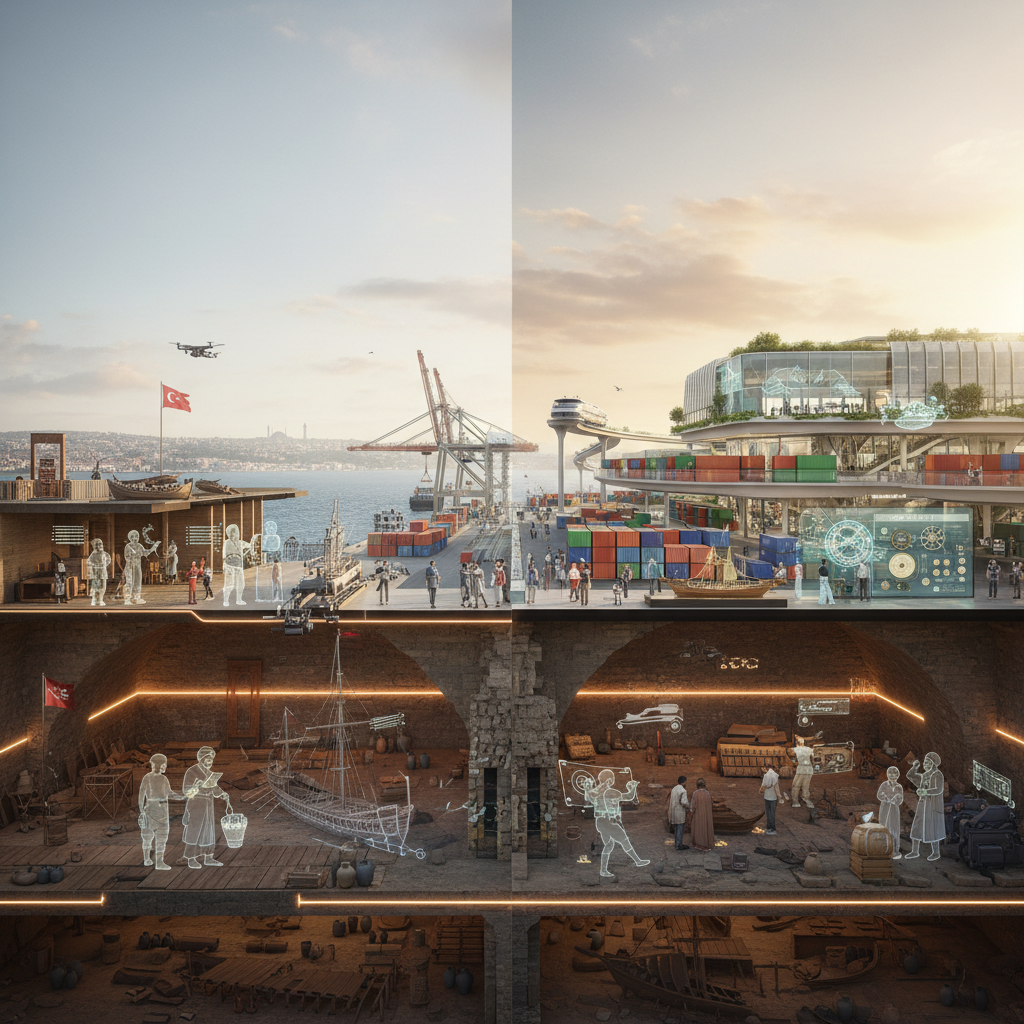
Istanbul's Ancient Harbors & Maritime Tales: Unveiling the City's Seafaring Legacy in 2026
Delving into Istanbul maritime history reveals a fascinating narrative woven through centuries of trade, conquest, and cultural exchange. This vibrant metropolis, straddling two continents, owes much of its enduring significance to its strategic position on vital sea lanes. From Byzantine galleys to Ottoman caravels, the waters surrounding Istanbul have witnessed pivotal moments that shaped global history. As we look to 2026, understanding this profound maritime heritage offers a richer appreciation of the city's unique identity.
The Strategic Importance of Istanbul Maritime History
Istanbul, formerly known as Byzantium and Constantinople, was destined for maritime greatness from its inception. Its unparalleled location, commanding the Bosporus Strait, provided a natural choke point connecting the Black Sea to the Aegean and Mediterranean. This geographic advantage made it an indispensable hub for maritime trade and naval power.
Controlling these waters meant access to lucrative trade routes and the ability to project influence across vast empires. The city’s harbors were not merely docking points; they were gateways to wealth, knowledge, and military might, much like its ancient fortunes were built on controlling key economic arteries.
Byzantium: Early Maritime Dominance
- Established around 660 BC, Byzantium quickly recognized its maritime potential.
- Its early economy heavily relied on fishing and sea trade, particularly grain from the Black Sea region.
- The city's formidable harbor, the Golden Horn, offered natural protection and deep waters.
Constantinople: The Jewel of the Seas
When Emperor Constantine the Great established Constantinople in 330 AD, he solidified its role as a maritime superpower. The city became the capital of the Eastern Roman (Byzantine) Empire, leveraging its naval strength to maintain control over trade and defend its vast territories. The Byzantine navy, with its innovative "Greek Fire," was renowned and feared across the Mediterranean. This period truly cemented Istanbul maritime history as central to its identity. For a deeper dive into the city's past, explore Istanbul's Ancient Palaces & Forgotten Harem Stories.
Key Harbors and Their Enduring Legacy
Istanbul's coastline is dotted with historical harbors, each with its own story. These maritime gateways were the lifeblood of the city, facilitating everything from commercial ventures to military expeditions. Understanding their roles is crucial to comprehending Istanbul maritime history and its impact on the city's ancient engineering marvels.
The Golden Horn: Istanbul's Primary Lifeline
The Golden Horn, a natural inlet of the Bosphorus, served as Istanbul's principal harbor for millennia. Its sheltered waters provided a safe haven for countless ships, from ancient triremes to modern ferries. Its strategic importance cannot be overstated, as it allowed for rapid naval deployment and secure docking away from open sea threats.
Today, the Golden Horn remains a vibrant artery of the city, though its primary function has shifted from pure commercial shipping to more recreational and transportation purposes, with ferries connecting various neighborhoods.
Harbor of Theodosius (Yenikapı)
The discovery of the Harbor of Theodosius during Marmaray excavations revealed an astonishing archive of ancient ships, providing invaluable insights into Byzantine ship technology and trade. This significant archaeological find, continuing to be studied in 2026, has reshaped our understanding of the volume and nature of maritime activities during the Byzantine era.
- Discovered in 2004, the site yielded over 37 shipwrecks.
- The finds date from the 4th to the 11th centuries.
- It showcased a bustling commercial port with strong connections across the Mediterranean.
Other Notable Harbors
Beyond the Golden Horn and Yenikapı, other smaller harbors and landing sites played vital roles. The Harbor of Eleutherios and the Harbor of Julian (or Sophian Harbor) were important Byzantine-era ports, particularly for incoming goods and passengers from the southern seas. These lesser-known ports contributed significantly to the city's complex maritime infrastructure.
Ottoman Era: Continuation of Maritime Power
With the conquest of Constantinople in 1453 came a new chapter in its maritime saga. The Ottoman Empire, inheriting Byzantium's strategic coastal location, quickly established a formidable navy. Istanbul became the heart of Ottoman naval power, controlling vast stretches of the Mediterranean, the Black Sea, and even extending its influence into the Indian Ocean.
The Ottomans invested heavily in shipbuilding and naval technology, turning Istanbul into a major shipbuilding center. Their galleys and later sailing ships were crucial for defending the empire, projecting power, and maintaining secure trade routes. The ongoing legacy of Istanbul maritime history is strongly connected to this period.
The Imperial Shipyard (Tersane-i Amire)
Located on the Golden Horn, the Imperial Shipyard was one of the largest and most advanced shipyards in the world for centuries. It was responsible for constructing the grand fleets that dominated naval engagements for the Ottoman Empire. The sheer scale of its operations underscores the empire's commitment to maritime supremacy.
Even today, parts of the historic shipyard infrastructure can be seen, offering a glimpse into this formidable past.
Maritime Culture and Society
Beyond naval battles and trade routes, Istanbul maritime history profoundly influenced the city's culture and society. The sea shaped the city's diet, architecture, literature, and even its folklore. Life in Istanbul was, and in many ways still is, inextricably linked to the waters surrounding it.
Seafood and Culinary Traditions
For centuries, seafood has been a staple of Istanbul's diet. The Bosphorus and the Marmara Sea provided an abundance of fish, which formed the basis of many traditional dishes. Fish markets along the Golden Horn and other coastal areas were bustling centers of commerce and social interaction, a tradition that continues with vibrancy into 2026. Discover more about Istanbul's Ancient Culinary Scripts.
Maritime Architecture and Infrastructure
Many of Istanbul's iconic structures, from waterside palaces to defensive walls, reflect its maritime identity. Sea walls protected the city from naval attacks, while seaside mansions (yalı) became coveted residences for the elite. Lighthouses guided ships, and maritime symbols frequently adorned public buildings and private homes.
- The Maiden's Tower (Kız Kulesi) stands as a timeless symbol of Istanbul’s maritime narratives, shrouded in legend.
- Historical quays and docks, while modernized, echo centuries of bustling trade.
Istanbul's Modern Maritime Significance in 2026
Today, Istanbul remains a crucial player in global maritime affairs. The Bosphorus Strait is one of the world's busiest waterways, traversed by thousands of ships annually, carrying oil, goods, and passengers. The city's ports, particularly Ambarlı and Haydarpaşa, continue to handle significant international trade, solidifying Istanbul's role as a key logistical hub between East and West.
In 2026, the ongoing discussions around the Kanal Istanbul project highlight the continuing strategic importance of the region's waterways. While controversial, the project underscores Turkey's ambition to further capitalize on its geographical advantages in global maritime shipping. For more insights into the city's coastal areas, check out Istanbul's 'Coastal Chronicles'.
Furthermore, Istanbul's rich maritime history attracts countless tourists annually. Museums, historical sites, and specialized tours focus on telling these captivating stories, ensuring that the city's seafaring legacy continues to be appreciated and preserved for future generations. The city's role in global trade routes can also be linked to the historical importance of the Silk Road.