Istanbul Textile History: Unraveling Threads of History and Modern Fashion
Delving into the rich tapestry of Istanbul textile history reveals a saga of innovation, artistry, and trade that has shaped not only the city but also global fashion over centuries. From the opulent silks of the Byzantine Empire to the intricate Ottoman weaves, Istanbul has long been a pivotal center for textile production and commerce. Today, this legacy continues to thrive, seamlessly blending age-old techniques with contemporary design, making it a fascinating destination for history buffs and fashion enthusiasts alike.
For more insights into how Istanbul preserves its ancient crafts, you might explore Istanbul's Ancient Crafts: Bridging Past & Future Through Modern Artisanal Revival in 2026.
The Origins of Istanbul Textile History: Byzantine Brilliance
The roots of Istanbul's textile prowess stretch back to the Byzantine era. Constantinople, as it was then known, was the western terminus of the Silk Road, a conduit for raw materials and finished goods from the East. The emperors controlled silk production, safeguarding its secrets and ensuring Imperial dominance.
Imperial workshops, employing skilled artisans, produced exquisite silks for ceremonial garments, church vestments, and diplomatic gifts. These textiles were renowned for their vibrant colors, often dyed with precious natural pigments, and complex patterns featuring religious motifs, mythological creatures, and imperial iconography. The artistry was unparalleled, setting a high standard for textile design across the known world.
Sericulture and Silk Monopoly
For centuries, the Byzantines maintained a strict monopoly on silk production, a highly guarded state secret. This control was crucial to their economy and international prestige. The sericulture techniques were carefully cultivated and protected, creating a powerhouse of silk manufacturing.
It wasn't until the 6th century that silkworms were reportedly smuggled into the Byzantine Empire, ending reliance on Chinese imports. This pivotal moment allowed Constantinople to become a self-sufficient and leading silk producer, cementing its place in Istanbul textile history.
Iconic Byzantine Textile Patterns
Byzantine textiles were characterized by their rich symbolism and intricate designs. Common motifs included:
- Griffin and eagle imagery, symbolizing imperial power.
- Religious figures and scenes from Christian scripture.
- Geometric patterns and floral designs, often in repeating sequences.
- Hunting scenes and mythical beasts, showcasing artistic flair.
These patterns were not merely decorative; they conveyed status, belief, and cultural identity, making them highly sought after throughout Europe and beyond. To understand further connections between Istanbul's past and present, explore Istanbul's Ancient Maps & Modern Cartography: Navigating the City's Evolving Identity in 2026.
Ottoman Grandeur: Weaving the Legacy of Istanbul Textile History
With the Ottoman conquest of Constantinople in 1453, the city entered a new golden age, and so did its textiles. The Ottomans inherited and expanded upon Byzantine traditions, infusing them with their unique aesthetic and cultural demands. The textile industry blossomed, driven by the imperial court's insatiable demand for luxury fabrics and the practical needs of a vast empire.
Ottoman textiles were known for their rich colors, bold motifs, and luxurious materials like silk, velvet, and brocade. Bursa, a city near Istanbul, became a primary silk production hub, supplying the workshops within the capital. Court workshops produced garments, tents, wall hangings, and furnishings, all reflecting the sophisticated taste of the sultans.
The Art of Ottoman Court Textiles
Ottoman court textiles, produced in the imperial workshops (Hereke and Feshane), reached unprecedented levels of sophistication. These workshops employed the finest artisans and designers, creating masterpieces that were admired across the globe. The focus was on quality, innovation, and designs that reflected the glory of the Ottoman Empire.
Key characteristics of Ottoman textiles include:
- Bold and stylized floral motifs like tulips, carnations, and hyacinths.
- Geometric patterns and calligraphy integrated into designs.
- Use of metallic threads (gold and silver) for added opulence.
- Velvets, brocades, and silks for garments and furnishings.
These intricate patterns and luxurious materials defined Ottoman imperial style, influencing European fashion and interior design for centuries.
Textile Trade and the Grand Bazaar
The Grand Bazaar, established shortly after the conquest, quickly became the vibrant heart of textile trade in Istanbul. Merchants from across the world converged here, exchanging silks, cottons, wools, and finished garments. It was a kaleidoscope of colors, textures, and sounds, a testament to Istanbul's pivotal role in global commerce.
Even today, the Grand Bazaar remains an iconic destination for textiles. While it now houses a mix of goods, its history as a textile hub is palpable, drawing visitors who seek authentic Turkish fabrics, carpets, and handcrafted items. For more on Istanbul's historical markets, see Istanbul's Ancient Markets & Modern Bazaars: A Shopper's Journey from Silk Road to 2026's Souvenirs.
Istanbul Textile History and Its Global Influence
The threads of Istanbul textile history extended far beyond its city walls. For over a millennium, Istanbul, under both Byzantine and Ottoman rule, was a primary source of luxury textiles that influenced fashions and design preferences across continents. Its patterns, weaving techniques, and dyeing methods were emulated and adapted by artisans from Europe to Asia.
The demand for Istanbul's silks and luxurious fabrics fueled extensive trade networks. These textiles weren't just commodities; they were cultural ambassadors, carrying with them the artistic sensibilities and technological advancements of their origin. From courtly robes in Western Europe to religious vestments in Orthodox churches, the influence of Istanbul textile history was undeniable.
Cultural Exchange Through Textiles
The flow of textiles enabled significant cultural exchange. Byzantine motifs found their way into European heraldry, and Ottoman patterns inspired Renaissance artists. This interplay of design and technique created a rich, cross-cultural dialogue that is still evident in textile history.
Moreover, the influx of raw materials and skilled artisans from various parts of the empire and beyond further enriched Istanbul's textile heritage, making it a melting pot of global textile traditions. For a broader perspective on cultural exchange in the ancient world, delve into The Metropolitan Museum of Art's exploration of the Silk Road.
Modern Echoes: Istanbul Textile Industry Today
Fast forward to today, and Istanbul's textile industry is a dynamic sector, perfectly balancing its rich heritage with contemporary innovation. The city remains a significant player in global fashion, particularly in ready-to-wear, denim, and home textiles. Designers and manufacturers draw inspiration from the city's past while embracing sustainable practices and cutting-edge technologies, continuing the legacy of Istanbul textile history.
Today, you'll find modern design studios alongside traditional workshops. These entities collectively contribute to a vibrant textile scene that is both historically informed and forward-looking. The legacy of quality and craftsmanship ensures the enduring appeal of Istanbul's textile industry, adapting to the demands of a modern global market.
Sustainable Practices and Innovation
The textile industry in Istanbul is increasingly focused on sustainability. Manufacturers are investing in eco-friendly dyeing processes, recycled materials, and ethical sourcing. This commitment to responsible production ensures that the long-standing tradition of textiles continues in a way that respects the environment and workers.
Technological advancements also play a critical role, with digital printing, smart textiles, and automation enhancing efficiency and design possibilities. Istanbul's textile sector is a prime example of how history and innovation can coexist and thrive. For more on current trends in sustainable textiles globally, refer to reports from organizations like The World Trade Organization (WTO).
Shopping for Textiles in Istanbul Today
For those looking to experience Istanbul's textile legacy firsthand, there are numerous options. Beyond the historic Grand Bazaar, contemporary shopping districts and specialized boutiques offer a wide range of goods:
- Nuruosmaniye Street: Known for its carpet and kilim shops, often featuring traditional Turkish designs.
- Sahaflar Çarşısı (Book Bazaar): While primarily for books, nearby streets often have smaller textile stores with unique finds.
- Modern Boutiques: Districts like Nişantaşı and Kadıköy host boutiques showcasing Turkish designers who incorporate traditional elements into contemporary fashion.
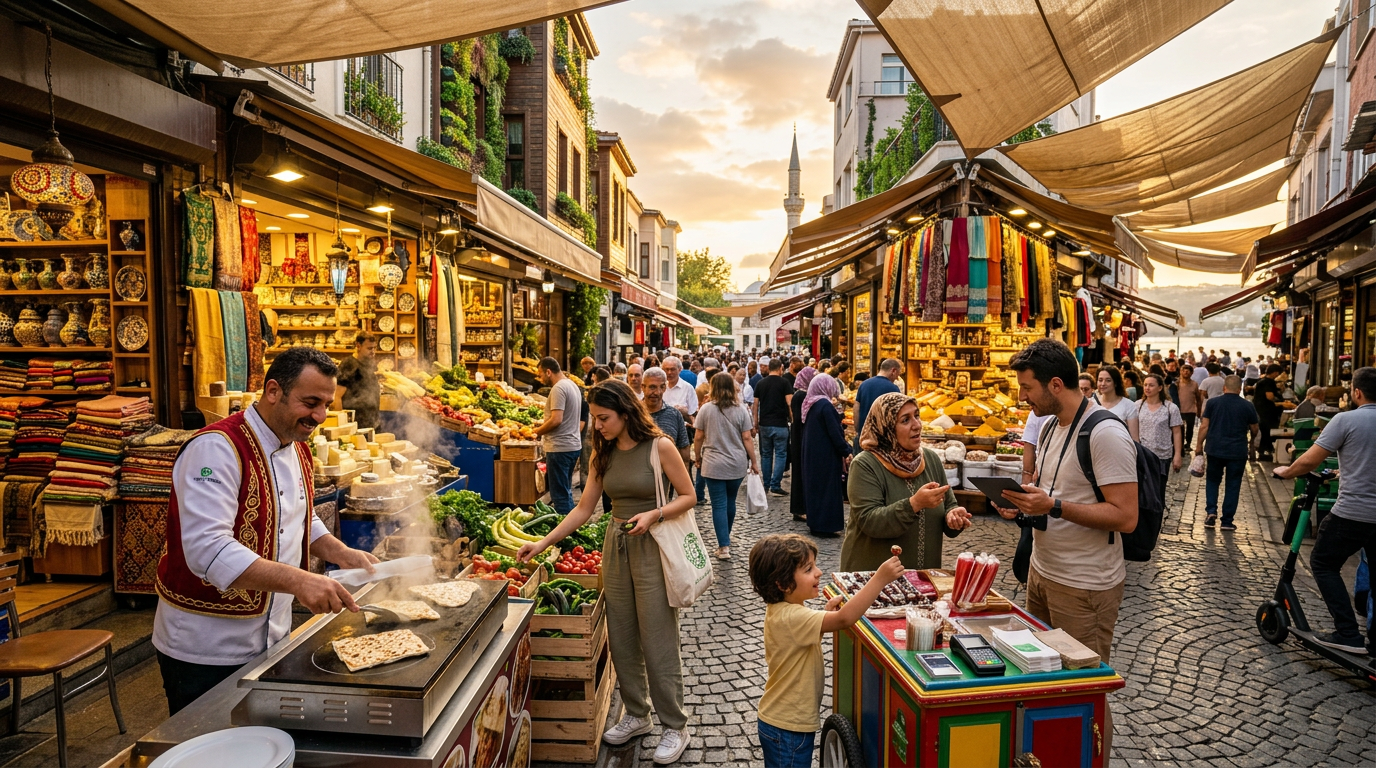
- Local Markets: Explore neighborhood markets for everyday fabrics, colorful scarves, and traditional crafts.
Whether you're searching for an antique treasure or a modern garment, Istanbul textile history provides an unparalleled backdrop for your exploration. You can also discover more about the city's overall costume evolution in Istanbul's Time-Traveling Costumes: Unveiling Traditional Garb & Modern Cosplay Trends in 2026.
Conclusion: The Enduring Charm of Istanbul's Textiles
The journey through Istanbul textile history is a captivating narrative of empires, artistry, and enduring influence. From the tightly controlled silk production of Byzantium to the opulent weaves of the Ottoman Empire and into the innovative, sustainable landscape of today, textiles have always been woven into the very fabric of Istanbul's identity.
This vibrant heritage continues to inspire designers, attract artisans, and captivate visitors. The city's textile legacy is not just a relic of the past; it's a living, breathing tradition that elegantly connects its ancient roots to the pulsating rhythm of modern fashion and commerce, making Istanbul a truly unique global textile hub.