Istanbul's Time-Traveling Costumes: Unveiling Traditional Garb & Modern Cosplay Trends in 2026
Delving into Istanbul's rich sartorial past reveals a fascinating narrative, and exploring Istanbul costume history takes us on a vibrant journey through centuries of cultural evolution. From the opulent silks of the Ottoman Empire to the pragmatic garments of the early Republic and the dynamic cosplay scenes of today, the attire worn by those living in this magnificent city has always mirrored its geopolitical and social shifts. In 2026, we see a renewed interest in both the traditional roots and contemporary expressions of Istanbul's fashion identity, reflecting a city that reveres its heritage while embracing global trends. This evolving landscape of style is much like the city's ancient palimpsest, with new layers constantly being added upon historical foundations.
The Foundations of Istanbul Costume History: Ottoman Splendor
The Ottoman era represents perhaps the most iconic period in Istanbul costume history, characterized by unparalleled luxury and symbolic significance. Clothing was more than just protection; it was a powerful statement of rank, wealth, and religious affiliation. Sultans, their harems, and court officials donned elaborate garments, each detail carefully chosen to convey status and authority.
Materials like silk, brocade, velvet, and fine cotton were imported from across the empire and beyond, then meticulously embroidered with gold and silver threads, pearls, and precious stones. The silhouette often featured loose-fitting outer robes like the kaftan, layered over trousers and shirts, with turbans and elaborate headwear completing the ensemble. These garments were not just for display; they were often functional, adapted to the climate and the customs of the time.
The Imperial Kaftan: A Symbol of Power
The kaftan stands as the quintessential garment of Ottoman royalty and nobility. These long, flowing robes were often made from the finest fabrics and highly decorated. Each kaftan told a story through its color, pattern, and embroidery, often signifying the wearer’s position within the court hierarchy. The collections at Topkapı Palace offer a mesmerizing glimpse into this imperial wardrobe, showcasing the artistry and craftsmanship involved.
Beyond the palace walls, other social classes had their distinct modes of dress. Merchants, artisans, and common folk wore humbler versions of similar styles, with variations in fabric quality and ornamentation. Nonetheless, an underlying sense of elegance and respect for traditional forms permeated all levels of society. This rich detail in costume is akin to the intricate craftsmanship found in Istanbul's ancient guilds, where every trade contributed to the city's unique identity.
Headwear and Accessories: More Than Adornment
Headwear, such as the turban for men and various veils and elaborate head dresses for women, played a crucial role in Ottoman fashion. These weren't merely accessories; they were integral to identity and community. Jewelry, often incorporating intricate metalwork and gemstones, further enhanced these ensembles, signifying personal wealth and aesthetic preference.
Transition and Modernization: Early Republican Garb
The early 20th century brought transformative changes to Turkish society, and these shifts profoundly impacted Istanbul costume history. With the establishment of the Republic in 1923, under Mustafa Kemal Atatürk, there was a concerted effort to modernize and Westernize the nation. This included significant reforms in dress, most notably the Hat Law of 1925, which replaced the fez for men with Western-style hats.
For women, while there wasn't a direct mandate on head covering, the broader cultural shift encouraged more Westernized clothing. Traditional veils and voluminous garments gradually gave way to tailored dresses, skirts, and blouses, reflecting European fashion trends. This period was marked by a blend of old and new, where individuals navigated their identities through their sartorial choices, embracing modernity while respecting their heritage.
- 1920s: Introduction of Western suits and dresses, gradual decline of traditional fez and headscarves in public life.
- 1930s-1940s: Further adoption of international fashion, influenced by Parisian and American styles.
- Mid-20th Century: A growing emphasis on practical, ready-to-wear clothing, especially in urban centers like Istanbul.
Contemporary Expressions: Istanbul Costume History Meets Global Trends
Fast-forward to 2026, and Istanbul costume history continues to evolve dynamically. The city today is a vibrant melting pot where tradition and modernity coexist, often in stunning fashion. You can see elegantly dressed women in contemporary modest fashion alongside others sporting the latest international high fashion. Turkish designers often draw inspiration from their rich heritage, reinterpreting traditional motifs and silhouettes for a global audience.
The Rise of Modest Fashion in Istanbul
Modest fashion has seen a significant boom globally, and Istanbul is at its epicenter. Designers in the city are creating stylish, contemporary pieces that adhere to principles of modesty while being incredibly chic. This sector often incorporates elements from historical Turkish dress, such as loose cuts, rich fabrics, and intricate details, updated for the modern woman. This is a vital part of current Istanbul fashion, reflecting a diverse and creative approach to dress.
Istanbul's Thriving Cosplay and Alternative Fashion Scene in 2026
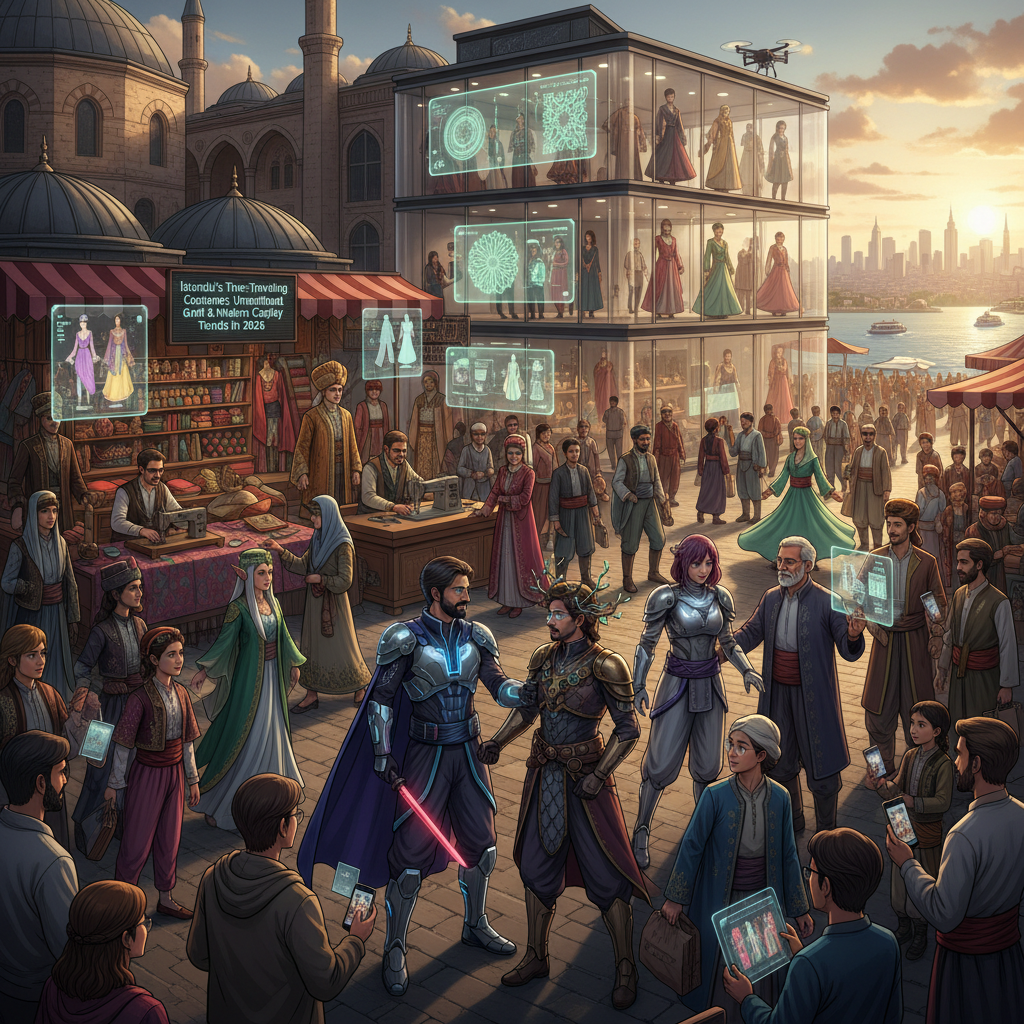
Beyond mainstream fashion, Istanbul boasts a burgeoning subculture scene, particularly in cosplay. Inspired by Japanese anime, manga, Western comics, and video games, cosplayers meticulously recreate elaborate costumes. Events and conventions regularly take place, showcasing incredible craftsmanship and dedication. The versatility of Istanbul’s artistic community is evident in the detailed and often historical costumes these enthusiasts create, sometimes even drawing on elements from traditional Turkish tales or historical figures. This echoes the city's broader celebration of performative arts, much like the enduring legacy of Istanbul's ancient puppets.
This vibrant trend reflects a global phenomenon but with a distinctly Istanbulite flavor, as local cosplayers infuse their creations with unique cultural touches. Anime and gaming conventions in the city are packed with participants showcasing both beloved character renditions and original designs, indicating a passionate and growing creative community in 2026. For those interested in the global cosplay community, resources like Cosplay Central offer a deeper dive into this worldwide phenomenon.
Preserving the Past, Shaping the Future of Istanbul Costume
Understanding Istanbul costume history is crucial for appreciating the city's identity. Museums such as the Topkapı Palace Museum and the Sadberk Hanım Museum house extensive collections of historical garments, providing invaluable insights into past styles and techniques. These institutions play a vital role in preserving the intricate details of centuries-old fashion, from imperial robes to everyday wear. For more on the role of cultural institutions in preserving history, consider exploring the International Council of Museums (ICOM).
Educational programs and cultural initiatives also contribute to keeping this history alive, inspiring new generations of designers and enthusiasts. In 2026, designers frequently look to these historical archives for inspiration, creating collections that cleverly blend traditional Turkish aesthetics with contemporary trends. This continuous dialogue between past and present defines Istanbul's unique contribution to the world of fashion. Much like the traditional beauty rituals that are now seeing a modern resurgence, Istanbul's costume history offers a wealth of inspiration.
Whether it's a fashion student studying intricate Ottoman embroidery techniques or a modern designer incorporating traditional patterns into a new collection, the legacy of Istanbul costume history continues to be a fertile ground for creativity and innovation. The rich tapestry of clothing styles, from everyday garb to ceremonial attire, underscores Istanbul's enduring position as a cultural and historical crossroads. The blend of tradition and modernity in Istanbul's fashion scene can also be observed in its broader urban development, as discussed in Istanbul's Ancient Roads & Modern Rhythms.