Istanbul's Ancient Colors: Unveiling Natural Dyes, Textiles & Pigments Through the Ages in 2026
Stepping into the vibrant history of Istanbul is like walking through a living tapestry, each thread imbued with stories told in color. For centuries, the city has been a crossroads of cultures, trade, and innovation, and a cornerstone of its rich heritage is undoubtedly the art of Istanbul natural dyes. From the opulent silks of the Ottoman sultans to the everyday garments of its bustling bazaars, natural pigments have shaped the visual identity of this magnificent metropolis for millennia, a tradition that continues to fascinate and inspire even in 2026.
This deep connection to materials and artistry can also be seen in Istanbul's Ancient Guilds and Crafts, which formed the economic backbone of the city. Much like the careful selection of pigments, the construction of the city itself was a testament to human ingenuity, as explored in Istanbul's Ancient Engineering.
The Roots of Istanbul Natural Dyes: An Ancient Legacy
The strategic location of Istanbul, bridging two continents, made it a primary hub for the exchange of raw materials and advanced dyeing techniques. Long before synthetic colors were conceived, artisans here mastered the intricate processes of extracting brilliant hues from nature.
This ancient practice wasn't merely about aesthetics; it was a deeply sophisticated craft, requiring extensive botanical knowledge, chemical understanding, and artistic skill. The resulting textiles were not just functional but also symbolic, often indicating status, region, or belief.
Early Civilizations and Pigment Procurement
- Byzantine Empire: During the Byzantine era, purple dye, famously derived from murex snails, was reserved for royalty and highest-ranking officials, symbolizing imperial power. Istanbul's waters provided a rich source for these elusive mollusks.
- Silk Road Influence: As a key stop on the Silk Road, Istanbul gained access to exotic dyestuffs like indigo from India, cochineal from the Americas (via trade routes), and madder root from Persia.
- Local Flora: A wide array of local plants, such as onion skins, walnuts, and pomegranates, were extensively used by common people, demonstrating the widespread application of Istanbul natural dyes.
The Golden Age of Ottoman Textiles and Istanbul Natural Dyes
The Ottoman Empire brought the art of dyeing to new heights, establishing large workshops and perfecting techniques that produced some of the world's most exquisite textiles. The imperial court was a major patron, demanding luxurious fabrics for clothing, furnishings, and ceremonial purposes.
These workshops, often located near water sources for the extensive washing processes required, employed skilled craftsmen who guarded their secrets closely. The meticulous process of preparing fibers, mordanting, dyeing, and finishing was a true art form. The opulence of this period is also evident in Istanbul's Ancient Palaces & Forgotten Harem Stories.
Key Natural Dye Sources of the Ottoman Era:
- Madder (Rubia tinctorum): Produced a range of reds, from fiery scarlet to deep crimson. It was one of the most widely used and versatile dyes.
- Woad/Indigo (Isatis tinctoria / Indigofera tinctoria): The source of deep, resonant blues, highly prized and often combined with other dyes to create complex shades.
- Weld (Reseda luteola): Famous for its vivid, fast yellows, weld was frequently used in conjunction with indigo to create Greens.
- Cochineal (Dactylopius coccus): Hailing initially from the Americas, cochineal provided brilliant carmine and scarlet reds, becoming an indispensable dye for luxury textiles from the late 16th century onwards. For more on the history of cochineal, you can visit the Metropolitan Museum of Art's resource on cochineal.
- Oak Galls: Rich in tannins, oak galls were not only used for black dyes (when combined with iron salts) but also as a powerful mordant.
The complexity of creating perfect hues from Istanbul natural dyes often involved multiple dipping processes, precise temperature control, and the careful application of mordants – substances like alum, iron, or copper that help the dye bind permanently to the fibers. This scientific approach was essential for achieving colorfastness and vibrancy.
Revival and Relevance: Istanbul Natural Dyes in 2026
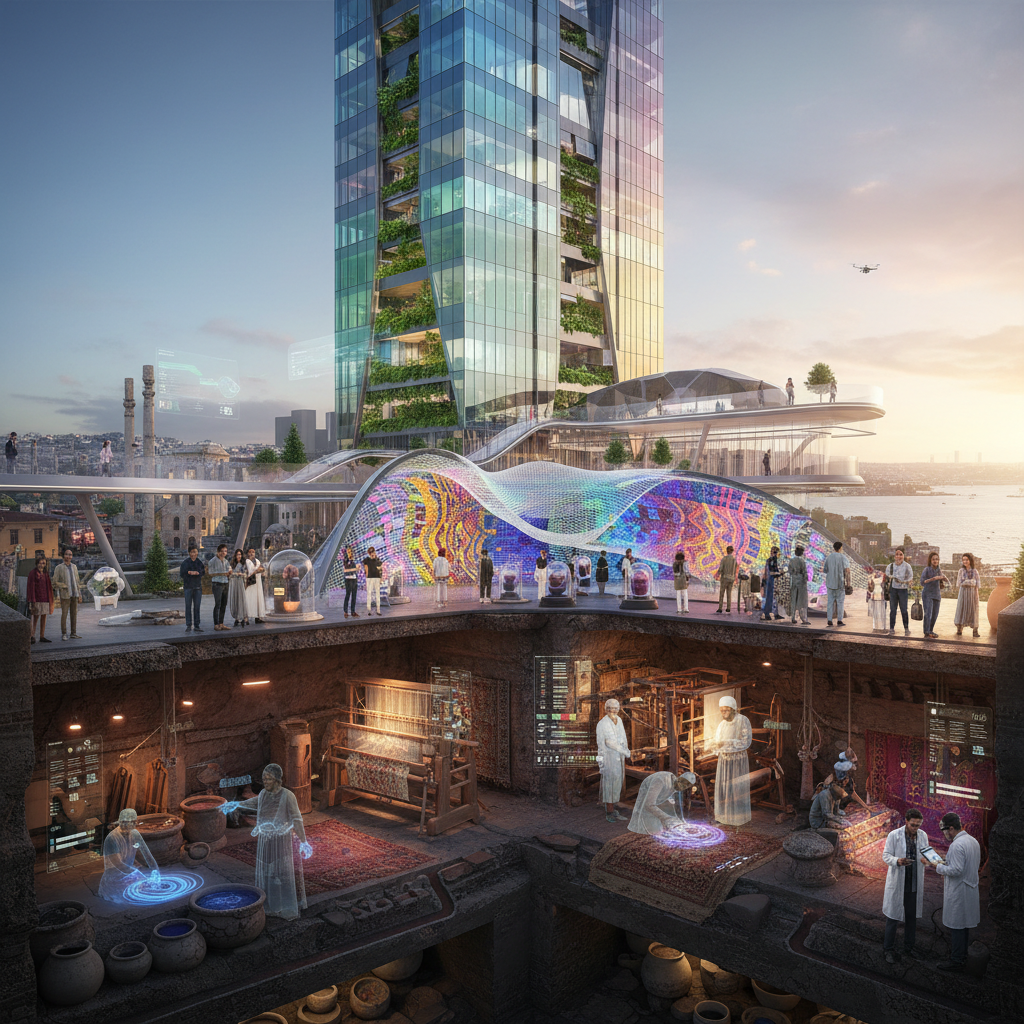
While synthetic dyes largely replaced natural ones during the Industrial Revolution, there has been a significant resurgence of interest in traditional dyeing methods in recent decades. In 2026, Istanbul is witnessing a vibrant revival, driven by sustainability concerns, a desire for unique aesthetics, and a reconnection with artisanal heritage.
Modern consumers and designers are increasingly seeking eco-friendly alternatives, making Istanbul natural dyes a compelling choice. Craft workshops, educational programs, and even high-end fashion brands are incorporating these age-old techniques into contemporary creations. This aligns with broader trends in sustainable design and innovation, which are shaping Istanbul's Future Echoes.
Contemporary Applications and Sustainability:
- Eco-Fashion: Local designers are creating capsule collections using only natural dyes, emphasizing slow fashion and ethical production.
- Artisanal Workshops: Tourists and locals alike can now participate in workshops to learn the techniques of traditional dyeing, fostering a direct connection to the city's past.
- Textile Restoration: Natural dyes are crucial for the historically accurate restoration of antique textiles and carpets, preserving invaluable cultural artifacts. Resources for textile preservation can be found at organizations like the American Institute for Conservation.
- Sustainable Sourcing: Greater emphasis is placed on responsibly sourcing dye materials, often from local, organic agricultural practices or sustainable wild harvesting.
This renewed appreciation for Istanbul natural dyes signifies a broader global movement towards sustainable practices and a deeper respect for craftsmanship. The city, ever a pioneer, is once again at the forefront of this colorful revolution.
Exploring Dyeing Traditions: Where to Experience Natural Colors in Istanbul
For those visiting Istanbul in 2026, experiencing the legacy of its natural dyes is an enriching journey. From museums showcasing ancient textiles to bazaars selling naturally dyed wares, there are numerous places where this vibrant history comes alive.
Take time to explore beyond the main tourist attractions and delve into the artisanal quarters where these traditions are still practiced and celebrated.
Key Destinations for Natural Dye Enthusiasts:
- Turkish and Islamic Arts Museum: Housed in the former palace of Ibrahim Pasha, this museum boasts an impressive collection of carpets, ceramics, and textiles, many showcasing the incredible depth and variety achieved with natural dyes.
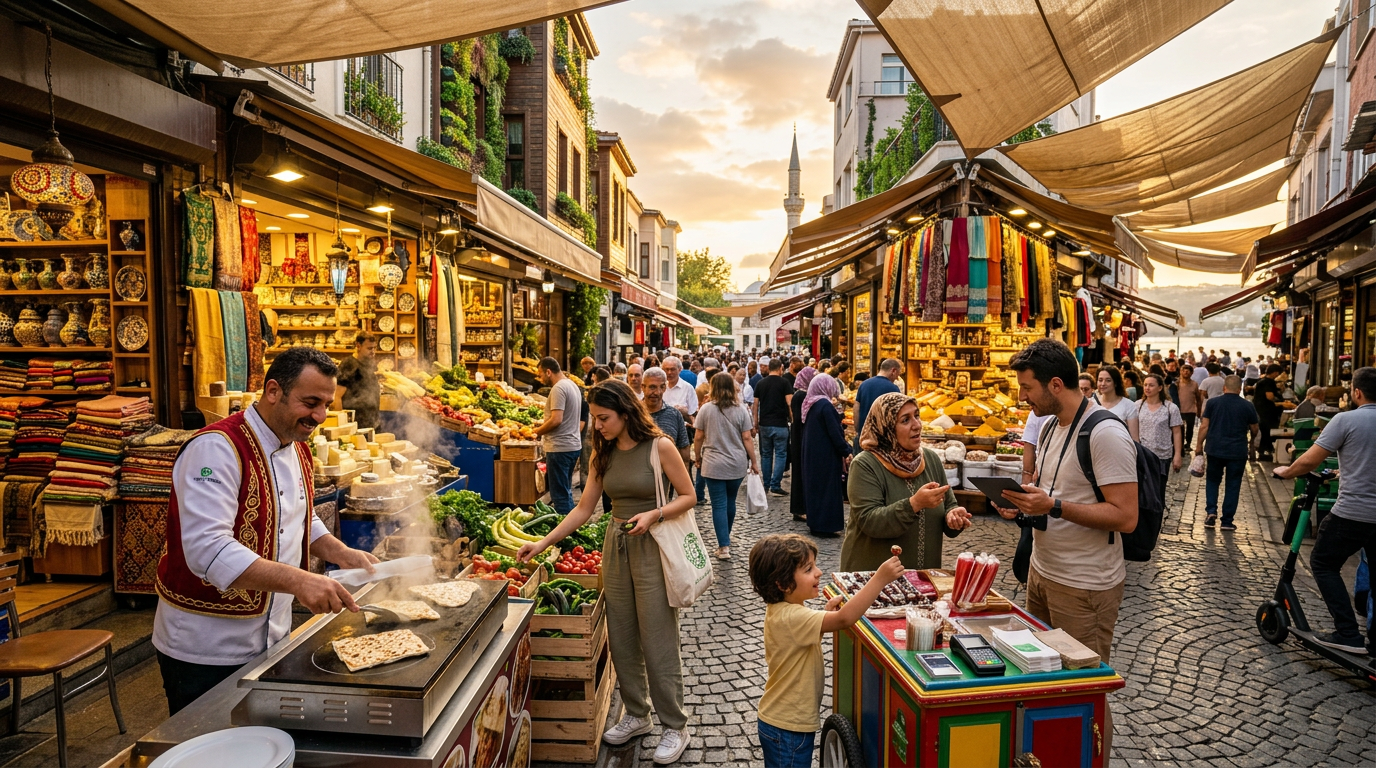
- Grand Bazaar & Spice Bazaar: While many items are commercially produced, persistent exploration can uncover small shops selling hand-dyed scarves, naturally colored yarns, and traditional kilims. Inquire about the dyes used!
- Specialized Textile Shops in Old City: Areas around Sultanahmet and Balat are home to boutiques that pride themselves on carrying naturally dyed products, often with explanations of their origins and processes.
- Local Craft Fairs and Markets: Keep an eye out for temporary markets or artisan fairs, especially during spring and autumn, where independent crafters often sell their unique, naturally dyed creations. A good resource for natural dyeing information is Maiwa Handwovens.
- Workshops and Educational Centers: Several cultural centers periodically offer hands-on workshops in traditional Turkish marbling (Ebru) and natural fabric dyeing, providing an immersive experience into the world of Istanbul natural dyes.
These experiences offer more than just a glimpse into history; they provide an understanding of the skill, patience, and artistry involved in creating beauty from nature's palette. The tangible connection to these ancient methods is incredibly rewarding.
The Enduring Appeal of Istanbul Natural Dyes
The journey through Istanbul's textile and pigment history reveals a story of extraordinary human ingenuity and an enduring connection to the natural world. From imperial purple to vibrant madder reds, each color tells a tale of trade, conquest, faith, and daily life.
In 2026, the legacy of Istanbul natural dyes continues to inspire, reminding us of the profound beauty and sustainability inherent in traditional crafts. As the city evolves, its ancient colors remain a vital part of its identity, woven into the very fabric of its rich and captivating heritage.
Whether admired in a museum, purchased in a bustling bazaar, or learned in a workshop, these natural hues provide a timeless connection to Istanbul's storied past and a colorful vision for its sustainable future.