Istanbul Ancient Palaces: Explore Historic Wonders
Stepping into Istanbul truly feels like traversing through time. This is especially true when exploring the magnificent Istanbul ancient palaces. While the grandeur of Topkapi Palace often dominates visitor itineraries, the city offers a treasure trove of other lesser-known, yet equally fascinating, imperial residences. These architectural marvels whisper tales of empires past. They showcase the opulent lifestyles, political intrigues, and artistic mastery that defined centuries of Ottoman and Byzantine rule. In 2026, as Istanbul continues to captivate travelers worldwide, delving into these historic sanctuaries provides an unparalleled glimpse into its majestic heritage, often revealing harem whispers and imperial life previously hidden. Exploring these Istanbul ancient palaces is a must for any history enthusiast.
The Enduring Legacy of Istanbul's Ancient Palaces
The very fabric of Istanbul is interwoven with the stories held within its ancient palaces. Each structure served not merely as a residence, but as the pulsating heart of an empire. Decisions that shaped global history were made within their walls. Furthermore, cultural flourishing reached its zenith in their lavish courtyards. Understanding these Istanbul ancient palaces goes beyond admiring their beauty; it's about comprehending the immense power and prestige they symbolized for rulers like sultans and emperors.
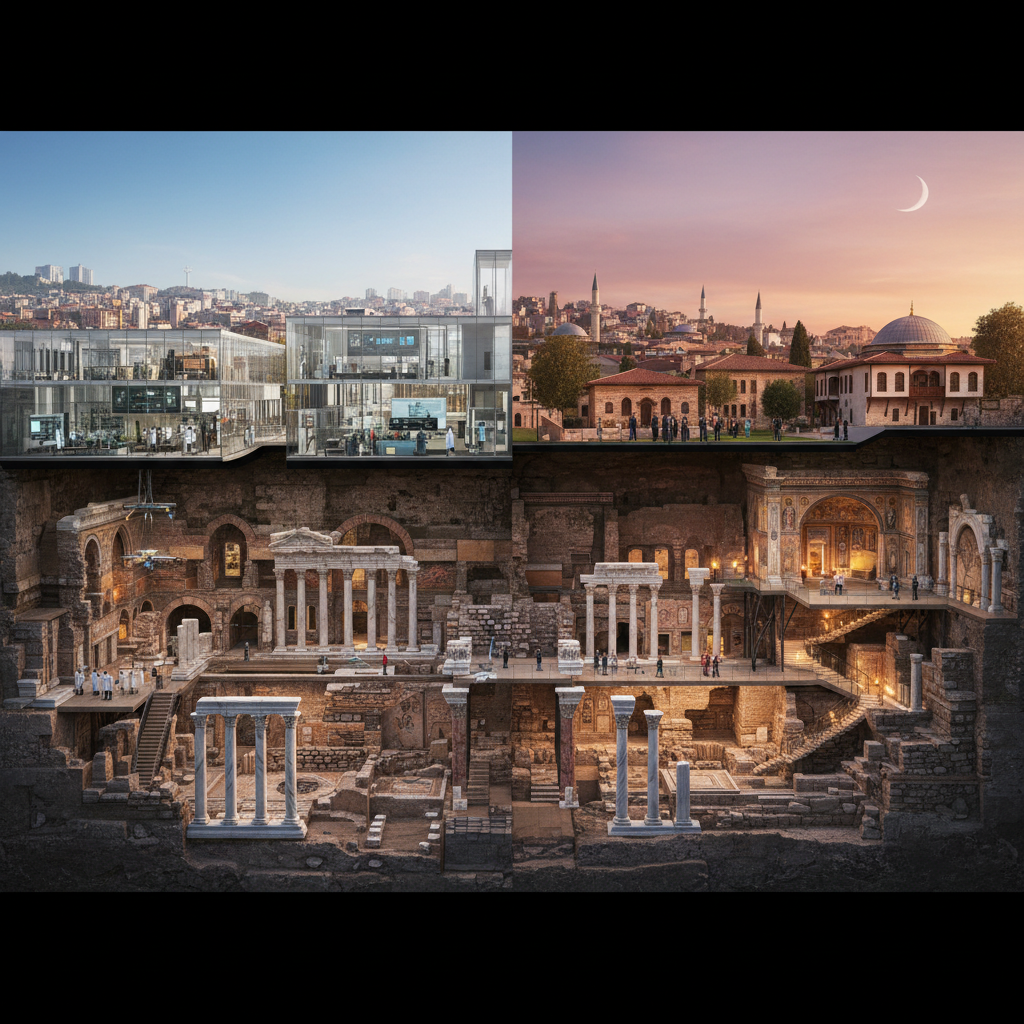
From strategic locations overlooking the Bosphorus to sprawling complexes designed for thousands, the design and purpose of these palaces evolved throughout history. The remnants of Byzantine imperial residences, often buried beneath later Ottoman constructions, hint at an even deeper layer of historical significance, much like the process of unearthing layers of forgotten cities. These Istanbul ancient palaces are truly remarkable.
Unearthing Byzantine Grandeur: Traces of the Great Palace
While Ottoman palaces are more prominently visible today, the ghostly echoes of Byzantine imperial residences still resonate. For instance, the Great Palace of Constantinople, once the primary residence of Byzantine emperors, stretched from Hagia Sophia to the Hippodrome. Although largely in ruins or built over, archaeological excavations continue to reveal astounding mosaics and structural fragments, offering insights into these earliest Istanbul ancient palaces.
- Bucoleon Palace: Located near the Little Hagia Sophia, this ruined palace by the sea offers an evocative glimpse into Byzantine waterfront living. Its marble facade and sea gate once provided direct imperial access to the Marmara Sea.
- Blachernae Palace: Situated near the Golden Horn, this complex was another significant imperial residence, particularly during the later Byzantine period. Its exact extent is debated, but foundations and sections remain, hinting at its former glory.
- Porphyrogennetos Palace (Tekfur Sarayı): A remarkably well-preserved example of late Byzantine secular architecture, this three-story structure offers a tangible connection to the final centuries of the Byzantine Empire. Its brick and stone work is particularly noteworthy. For more on the city's ancient structures, consider exploring Istanbul's ancient fortifications. These are all part of the rich history of Istanbul ancient palaces.
Beyond Topkapi: Lesser-Known Istanbul Ancient Palaces Worth Exploring
While Topkapi Palace is undeniably a masterpiece, visitors to Istanbul in 2026 should carve out time for other magnificent imperial dwellings. These sites offer a more intimate experience, often with fewer crowds and unique historical narratives, making them essential Istanbul ancient palaces to visit.
These palaces represent different eras and architectural styles, providing a holistic view of imperial life in Istanbul. Certainly, each has its own distinct character, from stunning garden pavilions to elaborate defensive structures, revealing secrets of the past, often alongside hidden palaces and secret gardens. Discovering these Istanbul ancient palaces is a true adventure.
Dolmabahçe Palace: Ottoman Opulence on the Bosphorus
Built in the mid-19th century, Dolmabahçe Palace signaled a move away from the traditional Ottoman palace structure. It embraced European Baroque, Rococo, and Neoclassical styles. It served as the main administrative center of the Ottoman Empire from 1856 to 1922, replacing Topkapi Palace. This is one of the most famous Istanbul ancient palaces from the later Ottoman period.
- Grand Ceremonial Hall: Home to the world's largest Bohemian crystal chandelier, weighing 4.5 tons and featuring 750 lamps.
- Harem Section: Offers fascinating insight into the private lives of the Sultan's family, featuring luxurious living quarters and intricate decor.
- Crystal Staircase: A breathtaking architectural feature, made of Baccarat crystal and brass, which exemplifies the palace’s extravagant design.
Beylerbeyi Palace: A Summer Retreat Across the Bosphorus
Located on the Asian side of Istanbul, Beylerbeyi Palace was constructed in the 1860s as an imperial summer residence and a guesthouse for visiting heads of state. Its location offers stunning views of the Bosphorus and the European shore. It's another beautiful example of Istanbul ancient palaces.
Unlike its grander counterpart Dolmabahçe, Beylerbeyi offers a more delicate and serene impression, reflecting its purpose as a lavish escape. Its intricate detailing and garden layout are captivating. This palace is a testament to the diverse styles of Istanbul ancient palaces.
Çırağan Palace: From Imperial Residence to Luxury Hotel
Another 19th-century marvel, Çırağan Palace, stands as a testament to late Ottoman grandeur. Sultan Abdülaziz built it between 1863 and 1871. After suffering a major fire in 1910, it was meticulously restored. Today, it operates as a lavish hotel, though its historical sections remain accessible and awe-inspiring. You can learn more about its current status and offerings on the official Çırağan Palace Kempinski website. This transformation showcases the enduring legacy of Istanbul ancient palaces.
The palace’s waterfront location and opulent architecture continue to draw admiration. Its transformation highlights the adaptive reuse of historical structures in modern Istanbul, making it a unique example among Istanbul ancient palaces.
The Architectural Marvels of Istanbul's Ancient Palaces
The architecture of Istanbul ancient palaces is a captivating blend of influences, reflecting the diverse cultural tapestry of the city. From the functional and expansive layouts of early Ottoman residences to the European-inspired opulence of 19th-century palaces, each structure tells a story of evolving tastes and imperial aspirations. These Istanbul ancient palaces are truly architectural wonders.
Key architectural elements include intricate tile work, grand domes, expansive courtyards, and strategic positioning to maximize natural light and defensive capabilities. The sheer scale and ambition of these projects are astounding, considering the tools and technology available at the time. For a deeper dive into the architectural techniques and historical context of these buildings, the Archnet Digital Library offers extensive resources on Ottoman architecture, further highlighting the significance of Istanbul ancient palaces.
Islamic & Ottoman Design Principles in Istanbul Ancient Palaces
Early Ottoman palaces, exemplified by Topkapi, adhered to a more traditional Islamic design, focusing on privacy, functionality, and internal gardens. Courtyards served as central organizing elements, with various pavilions and service buildings surrounding them. The use of İznik tiles, calligraphy, and elaborate wooden carvings created a distinctive aesthetic for these Istanbul ancient palaces.
Western Influences on Later Istanbul Ancient Palaces
As the Ottoman Empire engaged more with Europe in the 18th and 19th centuries, a shift occurred. Palaces like Dolmabahçe and Çırağan showcase a pronounced move towards Baroque, Rococo, and Neoclassical styles. This transition reflected a desire for modernity and alignment with European monarchical aesthetics, blending with existing Ottoman decorative arts to create a unique hybrid style among Istanbul ancient palaces.
Planning Your Visit to Istanbul Ancient Palaces in 2026
Exploring the Istanbul ancient palaces requires careful planning to make the most of your trip. Given their historical significance and vastness, allocating sufficient time for each site is crucial. Many palaces are well-connected by public transportation, making them easily accessible for visitors. Planning your itinerary for these Istanbul ancient palaces will enhance your experience.
Consider purchasing a museum pass if you plan to visit multiple attractions, as this can offer significant savings. Also, check official websites for current opening hours and any temporary exhibitions scheduled for 2026. General historical travel information, including details on Istanbul's rich cultural heritage, can be found on travel sites such as UNESCO's World Heritage Centre. Make sure to include several Istanbul ancient palaces in your travel plans.
Essential Tips for Palace Exploration
- Wear Comfortable Shoes: You'll be doing a lot of walking across extensive grounds and numerous rooms when visiting Istanbul ancient palaces.
- Arrive Early: To avoid large crowds, especially at more popular sites like Dolmabahçe.
- Consider Guided Tours: A knowledgeable guide can bring the history of these palaces to life with fascinating anecdotes and historical context.
- Respect Restrictions: Photography might be restricted in certain internal sections, particularly in Topkapi and Dolmabahçe Palaces.
- Explore Surrounding Areas: Many palaces are situated in historically rich districts, offering opportunities to visit nearby mosques, museums, and markets. Perhaps even stopping by one of Istanbul's time-traveling cafes for a refreshment after visiting Istanbul ancient palaces.
From the enduring mysteries of Byzantine fragments to the glittering halls of the late Ottoman Empire, the Istanbul ancient palaces offer an unparalleled journey through time. In 2026, immerse yourself in the stories of power, luxury, and artistry that these magnificent structures so eloquently tell, uncovering the layers of history that make Istanbul truly unique. These Istanbul ancient palaces are waiting to be explored.