Istanbul's Ancient Public Art: Unveiling Forgotten Statues, Mosaics & Street Sculptures in 2026
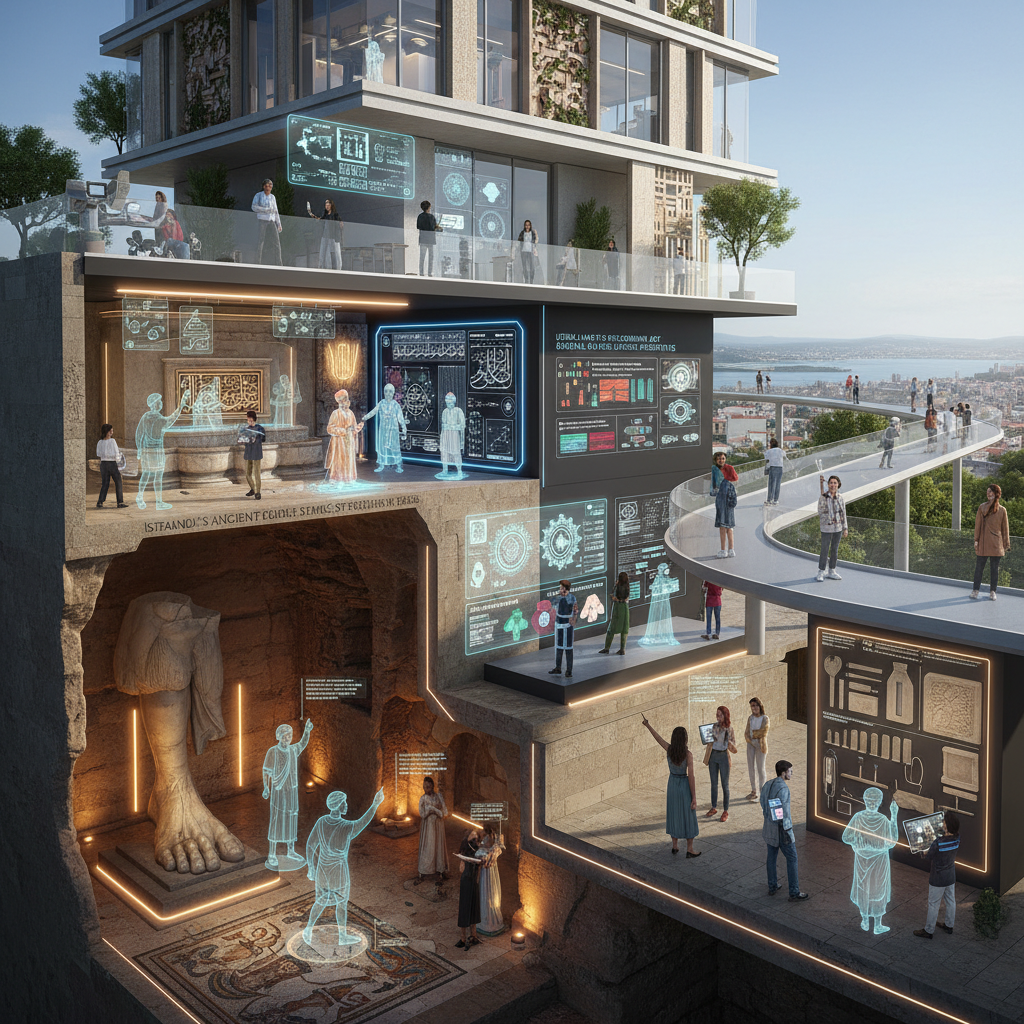
As we journey through the vibrant streets of Istanbul in 2026, one cannot help but be captivated by the rich tapestry of its history, a story often best told through its Istanbul ancient public art. From the monumental ruins of empires past to the subtly embedded artistic expressions within bustling neighborhoods, this city serves as an open-air museum. These profound artistic legacies, ranging from grand statues and intricate mosaics to overlooked street sculptures, offer a unique window into the cultural ethos of bygone eras. This guide delves into the fascinating world of Istanbul's historical public artwork, bringing to light treasures that continue to inspire and educate visitors and locals alike.
For a broader look at how Istanbul's art has evolved, delve into "Istanbul's Time-Traveling Public Art: Unveiling Sculptures, Statues & Urban Interventions in 2026," exploring the city's artistic journey from ancient times to modern installations.
The Enduring Legacy of Roman and Byzantine Istanbul Ancient Public Art
The layers of history in Istanbul are nowhere more apparent than in its Roman and Byzantine public art. As Constantinople, the city was adorned with magnificent sculptures and architectural embellishments that spoke volumes about its imperial power and religious devotion. Many of these pieces, though weathered by time, still stand as testaments to incredible craftsmanship and artistic vision.
Hippodrome's Silent Storytellers
The ancient Hippodrome, once the heart of Byzantine public life, still hosts several impressive monuments. The Obelisk of Theodosius, brought from Egypt, and the Serpent Column, a relic from Delphi, are prime examples of early public art. These colossal structures weren't just decorative; they served as symbols of imperial authority and cultural triumph.
Each inscription and sculpted detail on these monuments tells a piece of history. In 2026, preservation efforts continue to ensure these invaluable pieces of Istanbul ancient public art remain for future generations. Their stories span millennia, connecting us directly to the Roman emperors and Byzantine rulers who once walked these very grounds.
Chora Church Mosaics: A Byzantine Masterpiece
While often housed within a building, the mosaics of the Chora Church (Kariye Museum) are undeniably public art in their original context, intended for the edification of the populace. These breathtaking narrative panels, depicting the lives of Christ and the Virgin Mary, showcase the pinnacle of Byzantine artistry.
- The vibrant colors and intricate details are remarkably preserved.
- Each mosaic panel functions as a visual sermon, accessible to all who entered.
- Their restoration in recent decades has brought their original brilliance back into view.
These mosaics are a profound example of how religious narratives were disseminated through public artistic expression, a key component of Istanbul ancient public art. Visitors in 2026 can still marvel at their spiritual and artistic depth. For more insights into the city's foundational history, explore "Istanbul's Ancient Palimpsest: Unearthing Layers of Forgotten Cities Beneath the Modern Metropolis in 2026."
Ottoman Additions: Fountains and Calligraphic Delights
With the advent of the Ottoman Empire, Istanbul witnessed a new wave of public art, distinct in its aesthetics and purpose. While figurative sculpture became less prominent, magnificent fountains, intricate tilework, and calligraphic art flourished, seamlessly integrating utility with beauty.
The Splendor of Ottoman Fountains
Ottoman public fountains, known as 'çeşme' or 'sebil,' were not merely sources of water; they were elaborate works of art, often adorned with intricate carvings, calligraphic inscriptions, and delicate architectural details. They served as vital community hubs and expressions of Ottoman philanthropy.
Examples like the Fountain of Ahmed III near Hagia Sophia are celebrated for their ornate design. These structures are integral to the urban landscape and represent a unique form of Istanbul ancient public art. They continue to enrich the cityscape even in 2026, offering refreshing beauty amidst modern life.
Key features of Ottoman public fountains include:
- Elaborate marble facades and detailed friezes.
- Poetic inscriptions in Ottoman Turkish calligraphy.
- Dome structures and conical roofs.
Calligraphy as Public Art
Calligraphy, considered the highest art form in Islamic culture, adorned mosques, türbes (tombs), and even mundane public buildings. Arabic script was transformed into stunning visual masterpieces, conveying theological messages and celebrating aesthetic beauty. These artistic forms provided public spiritual guidance.
From the immense calligraphic circles within Hagia Sophia to the delicate inscriptions on countless historical buildings, Ottoman calligraphy is a ubiquitous form of Istanbul ancient public art. It demonstrates how text itself can become a powerful and beautiful public display. To further appreciate this art, read "Istanbul's Ancient Script: Unveiling Traditional Calligraphy and Modern Typography in 2026."
Unearthing Hidden Gems: Street Sculptures and Architectural Reliefs
Beyond the grand, well-known monuments, Istanbul holds countless lesser-known examples of ancient public art embedded within its urban fabric. These often-overlooked street sculptures and architectural reliefs offer delightful discoveries for the curious observer.
Figurative Reliefs on Byzantine Walls
As you wander through the older districts, keep an eye out for ancient city walls. Occasionally, you'll spot remnants of relief sculptures, sometimes depicting animals, sometimes human figures, that have survived centuries of change. These fragments are poignant reminders of the city's continuous history.
These smaller, more discreet forms of Istanbul ancient public art provide a different perspective than their monumental counterparts. They speak to the daily artistic environment that existed for ordinary citizens of Constantinople.
Architectural Details of the Historic Peninsula
Many historic buildings, especially in areas like Sultanahmet and Fatih, feature exquisite architectural detailing that blurs the lines between structure and sculpture. Stone carvings, intricate cornices, and decorative friezes adorn facades, making the entire cityscape a work of art.
- Neo-classical inspired reliefs on former Ottoman governmental buildings.
- Symbolic carvings on early Republican era structures.
- Gargoyles and other fantastical figures on older edifices.
Even a casual stroll can reveal layers of artistic expression, solidifying Istanbul's status as a repository of magnificent Istanbul ancient public art.
Preservation in 2026: Protecting Istanbul's Artistic Heritage
The preservation of Istanbul's ancient public art is an ongoing and crucial endeavor. With modern urban development and the ravages of time, safeguarding these irreplaceable treasures requires continuous effort from local authorities, international organizations, and dedicated conservationists.
Ongoing Restoration Projects
In 2026, numerous restoration projects are active across the city. These initiatives focus on delicate cleaning, structural reinforcement, and the careful repair of damaged elements. The goal is always to maintain the authenticity and historical integrity of each piece.
Technologies such as laser cleaning and 3D scanning are being increasingly employed to ensure meticulous and non-destructive restoration processes for Istanbul ancient public art. Public awareness campaigns also play a vital role in fostering a sense of collective responsibility for these cultural assets.
The Role of Museums and Institutions
While much of Istanbul's ancient public art remains in situ, significant fragments and smaller pieces are carefully conserved in museums such as the Istanbul Archaeological Museums. These institutions provide controlled environments for delicate artifacts and offer invaluable research opportunities.
Collaboration between city officials, historians, and art conservators ensures that this magnificent heritage is not only preserved but also made accessible and understandable to a global audience. The focus for 2026 is on sustainable conservation practices. Further information on cultural heritage preservation can be found through organizations like ICOMOS (International Council on Monuments and Sites).
Experiencing Istanbul Ancient Public Art Today
For visitors in 2026, experiencing Istanbul's ancient public art is an immersive journey through millennia of cultural evolution. It's about more than just looking; it's about connecting with the stories, the craftsmanship, and the spirits of those who built and adorned this incredible city.
Self-Guided Art Walks
Exploring the historic peninsula on foot is the best way to encounter many of these artistic wonders. Create a route that takes you from the obvious landmarks to the hidden alleyways, where smaller, yet equally significant, pieces of Istanbul ancient public art await discovery.
Consider starting your journey at Sultanahmet Square then venturing into the less trafficked academic districts and residential areas. Each corner of Istanbul can reveal a piece of its artistic past, if you know where to look. It’s an adventure for the senses and the mind.
Photography and Reflection
These ancient artworks provide unparalleled opportunities for photography. Capture the interplay of light and shadow on a Roman relief or the intricate patterns of an Ottoman inscription. More importantly, take time to reflect on the historical significance and enduring beauty of each piece.
In conclusion, Istanbul ancient public art is a powerful testament to the city's layered past. From the grandeur of its imperial monuments to the hidden artistic details, every piece contributes to the unique historical narrative that continues to unfold in 2026. For a deeper dive into the city's historical soundscapes that often accompanied these public displays, consider exploring "Istanbul's Ancient Acoustics: Unearthing Forgotten Sounds & Sonic Landscapes in 2026." You can also discover more about the city's general attractions and cultural initiatives via resources like Go Türkiye - Istanbul.