Istanbul Bazaar Negotiation: Mastering the Art of the Deal in 2026
Stepping into Istanbul's historic bazaars is like traveling back in time, yet the vibrant energy and age-old traditions of commerce thrive more than ever in 2026. One of the most exhilarating aspects of this unique shopping adventure is the art of bazaar negotiation. Far from a mere transaction, bartering in these legendary markets is a cultural dance, an engaging interaction that adds significant value to your travel experience. Understanding and embracing this tradition will not only help you secure unique treasures at a fair price but also deepen your appreciation for Turkish culture.
Why Istanbul Bazaar Negotiation is Essential in 2026
In an era dominated by fixed prices and online shopping, the traditional markets of Istanbul offer a refreshing contrast. The expectation of bartering remains a cornerstone of trade in places like the Grand Bazaar and the Spice Market. It's not about being cheap; it's about engaging with the seller, showing respect for their goods, and participating in a time-honored custom. For many visitors in 2026, the real thrill of shopping here comes from a successful Istanbul bazaar negotiation.

A Glimpse into History
The concept of bartering is as old as trade itself, and Istanbul's bazaars have been hubs of commerce for centuries. From Ottoman times, merchants and buyers engaged in lively discussions over prices, forging relationships that often extended beyond a single sale. This historical legacy continues to shape the shopping experience today. It’s a testament to the enduring spirit of Turkish hospitality and business acumen.
The Modern Shopping Experience in 2026
While global trends influence even the most traditional markets, the core principles of bartering remain unchanged. In 2026, many shopkeepers still view negotiation as a vital part of the sale. They anticipate it, and often, they enjoy the friendly challenge. It’s an opportunity for them to showcase their wares, share stories, and connect with customers on a more personal level than a simple cash register transaction allows.
Understanding the Culture of Bartering
To truly master Istanbul bazaar negotiation, it's crucial to grasp the cultural nuances behind it. This isn't just about money; it's about respect, connection, and enjoying the process. Approach it with a positive attitude and a smile, and you're already halfway to a successful deal.
More Than Just a Transaction
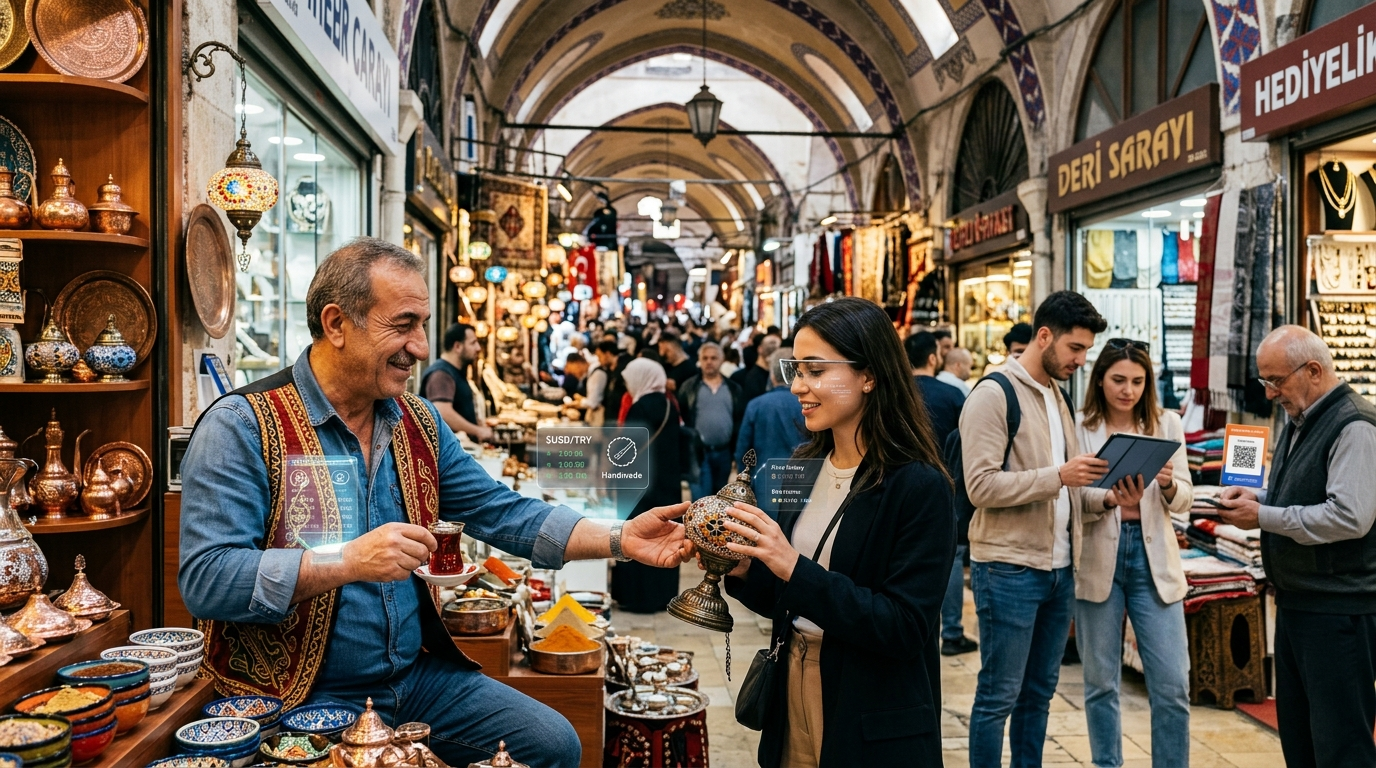
In Turkish culture, social interaction is highly valued. A negotiation is often seen as an extension of this. Sellers might offer you tea or coffee, engaging in friendly conversation about your travels or their goods. This isn't just a tactic; it's genuine hospitality. Embrace these moments as they build rapport, which can ultimately lead to a more favorable outcome for both parties.
Patience is Key
Haste has no place in a proper bazaar negotiation. Rushing the process can be seen as disrespectful or an indication that you're not serious about the purchase. Take your time, examine the goods carefully, and engage in conversation. Allowing the process to unfold naturally often results in a better price and a more rewarding experience.
- Engage with a smile: A friendly demeanor goes a long way.
- Accept offers of tea: It's a gesture of hospitality and builds rapport.
- Ask about the item's origin: Shows genuine interest in the product.
- Don't be afraid to walk away initially: It's part of the dance.
Practical Tips for Successful Istanbul Bazaar Negotiation
Equipped with a basic understanding of the cultural context, you're ready to dive into the practicalities of bartering. These tips will help you navigate the vibrant aisles and emerge victorious with your desired souvenirs.
Do Your Research
Before you even begin to negotiate, have a general idea of what you're willing to pay. Browse several shops to compare prices for similar items. This knowledge empowers you to make reasonable counter-offers. Remember, while the thrill of Istanbul bazaar negotiation is fun, informed decisions are always best.
Start Low, Aim High
A common strategy is to offer roughly 50-70% of the initial asking price, depending on the item and your assessment of its true value. Don't be afraid to start lower than you expect to pay, as this leaves room for upward movement. The seller will likely counter-offer, and you'll slowly meet somewhere in the middle. The sweet spot is often 20-30% off the initial price, but this can vary.

Learn Basic Turkish Phrases
Even a few words of Turkish can make a huge difference. "Merhaba" (hello), "Teşekkür ederim" (thank you), and "Ne kadar?" (how much?) are excellent starting points. "Çok pahalı" (too expensive) can also be useful! Showing an effort to speak the local language is highly appreciated and can soften the seller's stance.
Walk Away (and Come Back)
This is a classic negotiation tactic that often works wonders. If you've made your best offer and the seller isn't budging, politely thank them and begin to walk away. Often, they will call you back with a better price. If not, another stall might have a similar item, or you can always return later if you truly loved the item.
Know When to Stop
There's a fine line between a good deal and disrespect. Once you feel you've reached a fair price for both parties, close the deal gracefully. Don't push for the absolute lowest possible price if it means souring the interaction. A satisfied smile and a handshake are the best endings to an Istanbul bazaar negotiation.
Lonely Planet's guide to shopping in Istanbul also offers valuable insights into understanding the market dynamics.
Where to Practice Your Negotiation Skills
Istanbul offers several iconic locations perfect for honing your bartering prowess. Each market has its own unique charm and array of goods.
The Grand Bazaar (Kapalıçarşı)
As one of the world's oldest and largest covered markets, the Grand Bazaar is a labyrinth of over 4,000 shops. Here you'll find everything from intricate carpets and stunning jewelry to leather goods, ceramics, and textiles. Many of these items represent Istanbul's rich heritage of ancient crafts, beautifully revived by modern artisans. This is arguably the prime location for engaging in serious Istanbul bazaar negotiation.
The Spice Market (Mısır Çarşısı)
Located near the Galata Bridge, the Spice Market is a sensory delight. While its name suggests spices, you'll also find an abundance of Turkish delight, dried fruits, nuts, teas, and local cheeses. While prices here might be slightly more fixed than in the Grand Bazaar for certain edible items, there's still room for friendly bartering, especially when buying in larger quantities or multiple items.
Other Local Markets
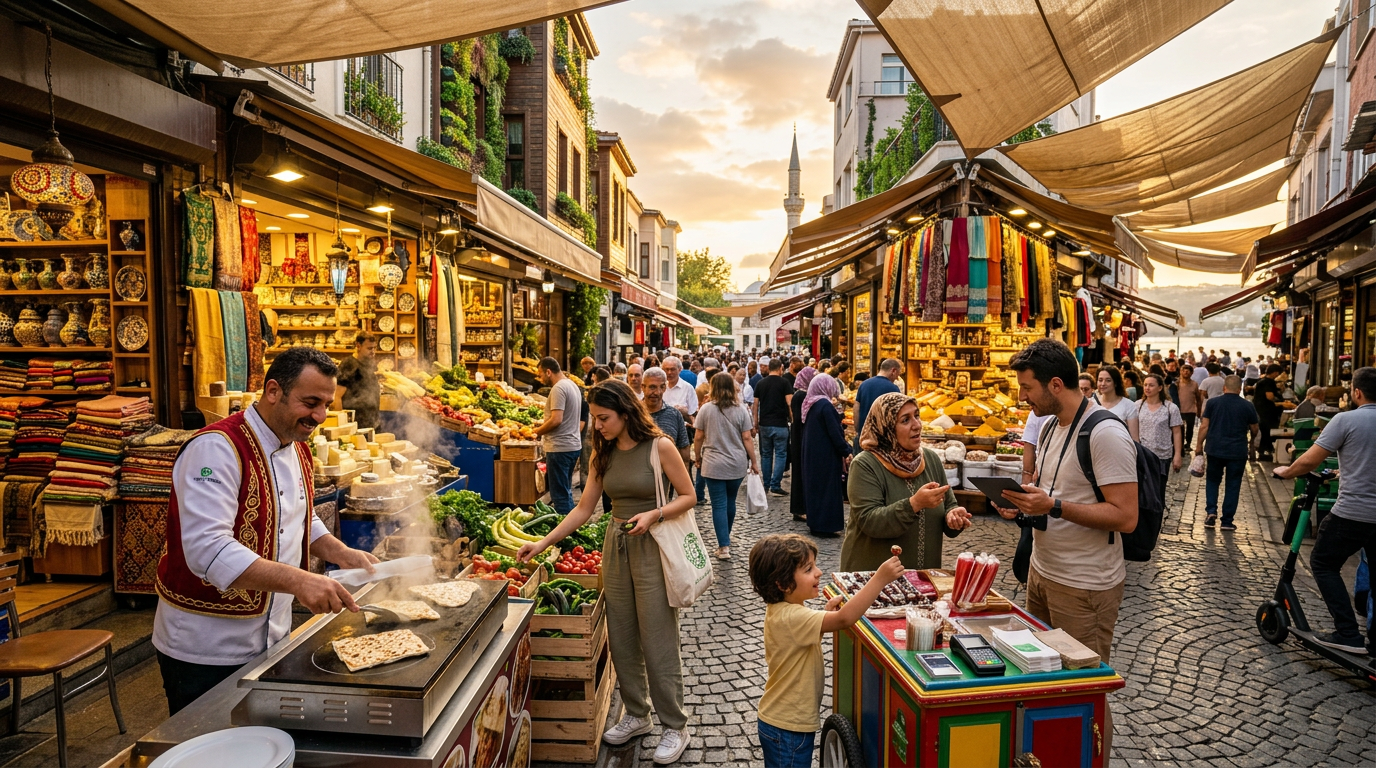
Beyond the two giants, Istanbul boasts numerous smaller, more local markets (known as pazarlar) that pop up on different days of the week. These offer a more authentic, less tourist-centric experience. While the goods might be more everyday items, practicing your negotiation skills here can be incredibly rewarding and offer a glimpse into local life.
Beyond the Price: The Joy of the Deal
Ultimately, the true magic of Istanbul bazaar negotiation isn't just about saving a few Liras; it's about the experience itself. It's the thrill of the interaction, the cultural exchange, and the satisfaction of knowing you’ve participated in a tradition that spans centuries. When you leave with a unique souvenir, you're not just taking home an item; you're carrying a story, a memory of a lively exchange in one of the world's most captivating cities.
So, as you plan your trip to Istanbul in 2026, prepare not just to shop, but to engage, interact, and master the wonderful art of bazaar negotiation. It will undoubtedly be one of the most memorable parts of your journey.