Istanbul Historic Windows: Vistas & Panoramas in 2026
Stepping into Istanbul is like traversing centuries, each street corner, ancient wall, and architectural detail whispering tales of empires past. Among the most evocative elements of this storied city are its Istanbul historic windows, silent observers that have framed countless shifts in power, culture, and daily life. In 2026, these windows continue to offer unique glimpses into the soul of a metropolis that masterfully blends its monumental heritage with the pulse of a global city. This guide explores the charm and significance of these architectural treasures, from Byzantine-era openings to Ottoman ornate designs, and how they offer unparalleled vistas of Istanbul's breathtaking panoramas.
The Enduring Legacy of Istanbul Historic Windows
The history of Istanbul is literally etched into its buildings, and nowhere is this more evident than in the design and placement of its windows. These openings are not merely functional elements; they are aesthetic statements, cultural indicators, and strategic vantage points.
From the narrow, fortress-like slits of ancient walls to the grand, multi-paneled bay windows of Ottoman mansions, each design reflects the era in which it was constructed. Understanding these architectural nuances enriches any visit to Istanbul. For a broader view of the city's historical layers, consider exploring Istanbul's Ancient Palimpsest: Unearthing Layers of Forgotten Cities.
Byzantine Era: Function Over Form in Historic Windows
During the Byzantine period, windows, particularly in fortifications and early churches, were often small and high-set. Their primary purpose was defensive, allowing for observation and light while minimizing vulnerability. Think of the formidable walls of Constantinople, where small, strategically placed apertures offered vital oversight. Learn more about the city's defenses in Istanbul's Ancient Fortifications: Unearthing Byzantine Walls, Ottoman Towers, and Hidden Defenses in 2026.
- Thick walls for structural integrity and defense.
- Small, arched, or rectangular openings.
- Limited light entry, emphasizing interior solemnity in religious structures.
Ottoman Innovations: Light, Privacy, and Social Status in Windows
The Ottoman Empire brought a dramatic shift in window architecture. As Istanbul flourished, so did the complexity and artistry of its buildings. Windows became larger, more numerous, and often adorned with intricate latticework (mashrabiya or kafes) that allowed residents to see out without being seen, a reflection of societal norms emphasizing privacy.
The characteristic bay window (cumba or çıkma) became a prominent feature, extending living spaces and offering panoramic views of the Bosphorus or bustling streets. These extensions were not only practical but also status symbols, indicating the wealth and influence of the homeowners. The beauty of these Istanbul historic windows is undeniable. For a glimpse into the imperial residences, read about Istanbul's Ancient Palaces & Hidden Harem Whispers.
- Large, multi-paneled windows for ample natural light.
- Use of stained glass in religious and public buildings.
- Intricate wooden or metal grilles (kafes) for privacy and ventilation.
- Bay windows (cumba) became a defining feature of residential architecture.
Where to Discover Iconic Istanbul Historic Windows in 2026
Istanbul is a living museum, and exploring its historic neighborhoods reveals an abundance of extraordinary window designs. From the majestic palaces to the quaint wooden houses, there are countless opportunities to appreciate these architectural masterpieces. Here are some top locations to visit in 2026:
Topkapı Palace and its Historic Windows
The former residence of Ottoman sultans, Topkapı Palace offers a magnificent collection of windows, each telling a story of imperial grandeur. Look for the ornate stained-glass windows in the Harem and the Imperial Council chambers, which illuminate opulent interiors with dazzling colors. The windows here provide incredible views over the Golden Horn and the Bosphorus.
Chora Church (Kariye Museum) Windows
While celebrated for its stunning Byzantine mosaics and frescoes, Chora Church also features beautiful examples of Byzantine window design, albeit more subtle. These windows, though smaller, play a crucial role in lighting the breathtaking interior artwork, creating an ethereal glow.
Fener and Balat Districts: A Window into History
These historic Fener and Balat neighborhoods are a treasure trove of residential Ottoman architecture. Wander through their narrow, winding streets to admire rows of colorful wooden houses, many adorned with the distinctive bay windows (cumba) and detailed window frames. These Istanbul historic windows offer a poignant connection to the city's diverse past.
Grand Bazaar and Spice Bazaar Windows
Even within the bustling markets, you can find historic windows peering down from upper levels. These might be less ornate but still provide a sense of the scale and age of these commercial hubs. They often frame intriguing street scenes, offering a unique perspective on the vibrant life below. For more on Istanbul's commercial history, explore Istanbul's Ancient 'Gates of Opportunity'.
Windows as Frames: Capturing Istanbul's Panoramas
Beyond their architectural beauty, Istanbul historic windows are perhaps best appreciated for the breathtaking panoramas they frame. From an elevated bay window in an old Fatih mansion, you might see a minaret piercing the sky, or from a palace window, the endless sparkle of the Bosphorus.
These framed views offer a timeless connection to the city, allowing one to imagine the same scenes witnessed by countless generations before us. Photographers and artists, in particular, find immense inspiration in these unique perspectives.
Best Vistas Through Historic Panes
- Bosphorus Views: Many waterside yalı (mansions) along the Bosphorus boast expansive windows that offer unparalleled nautical panoramas. For more about maritime views, see Istanbul's Ancient Ships & Modern Ferries.
- Golden Horn Perspectives: Elevated historical buildings in areas like Sultanahmet, Galata, and Beyoğlu provide stunning views across the Golden Horn, particularly beautiful at sunrise or sunset.
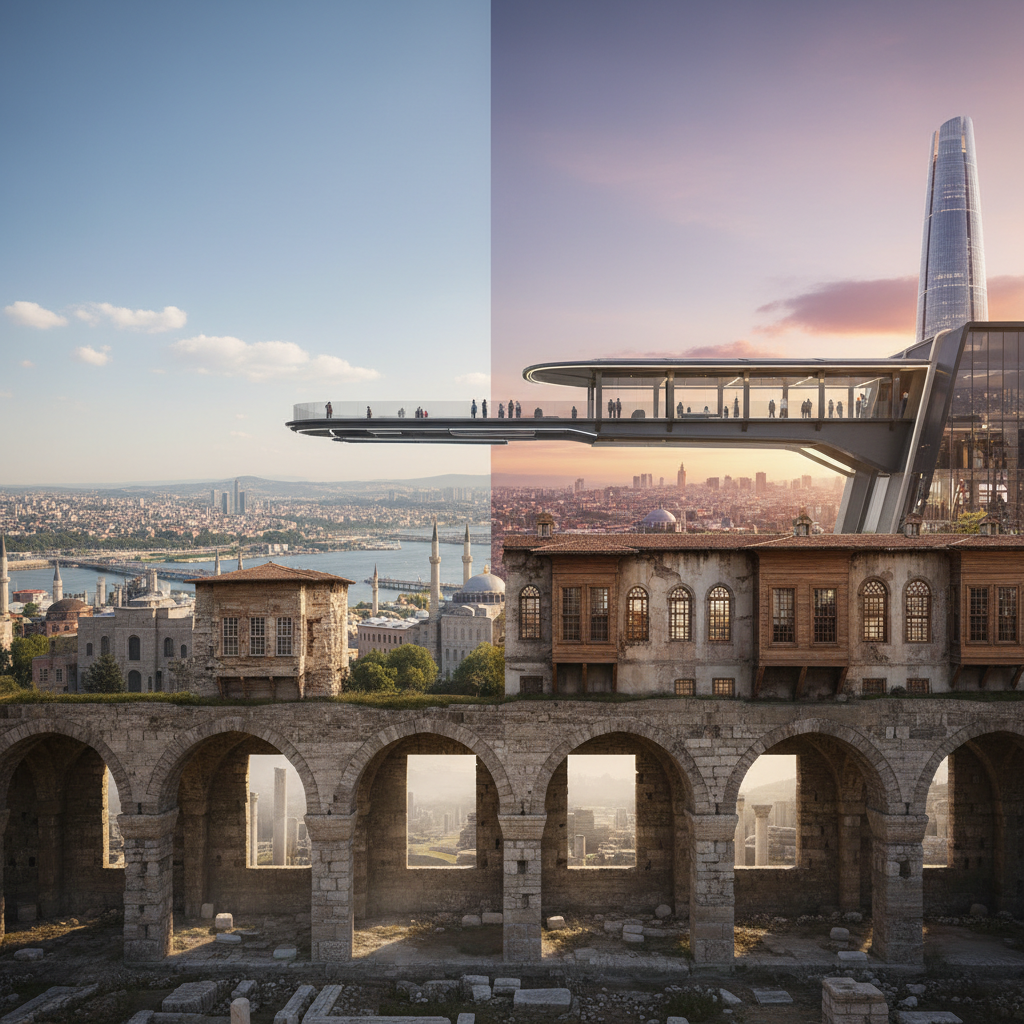
- City Skyline Glimpses: From historic rooftops or higher floors of Ottoman-era buildings, you can capture the sprawling urban tapestry dotted with mosques, churches, and modern high-rises.
Preservation Efforts and Modern Reverence for Istanbul Historic Windows in 2026
In 2026, there's a growing appreciation for the preservation of Istanbul historic windows and the buildings they adorn. Restoration projects often meticulously recreate original window designs, using traditional materials and techniques to ensure authenticity. This commitment helps maintain the city's unique architectural character amidst rapid modernization. For a deeper understanding of urban development, consider UNESCO's World Heritage City preservation efforts in Istanbul.
Modern architects in Istanbul often draw inspiration from these historic forms, incorporating contemporary interpretations of bay windows or ornate grilles into new constructions, creating a harmonious blend of old and new. This thoughtful approach highlights Istanbul's continuous evolution, much like its Ancient Bridges: Unveiling Forgotten Crossings & Modern Connections in 2026.
Challenges in Preserving Historic Windows
Preserving these delicate structures faces several challenges:
- Material Degradation: Wood and glass require constant maintenance, especially in Istanbul's climate.
- Urban Development Pressure: The push for new buildings can sometimes threaten older structures.
- Funding: Restoration projects are often costly and require significant investment. Resources from organizations like the World Monuments Fund are crucial.
- Lack of Awareness: Educating the public about the historical value of these elements is crucial.
Conclusion: The Enduring Charm of Istanbul Historic Windows
The Istanbul historic windows are more than mere openings in a wall; they are eloquent storytellers, framing epic narratives of a city that has stood at the crossroads of civilizations for millennia. As you wander through Istanbul in 2026, take a moment to look closely at these architectural gems. Each window offers a distinct 'gate of perception' – a chance to connect with the city's profound past, admire its vibrant present, and envision its promising future. They invite you to pause, peer through the ages, and witness the timeless beauty of this incomparable metropolis.
From the subtle elegance of a Byzantine arch to the expansive grandeur of an Ottoman cumba, these historic windows are integral to Istanbul's identity, inviting locals and visitors alike to look deeper into its fascinating soul.