Istanbul Trompe L'Oeil Art: Unveiling Ancient Illusions
Step into a world where walls vanish, ceilings open to celestial skies, and flat surfaces leap into three dimensions. Istanbul trompe l'oeil art, an ancient technique of visual trickery, has etched its indelible mark across the city's rich architectural tapestry. From the opulent Ottoman palaces to the sacred spaces of Byzantine churches, Istanbul offers a captivating journey through masterfully crafted illusions. This enduring art form continues to mesmerize locals and visitors alike, inviting them to question what is real and what is merely a painted dream. Discover the magic of Istanbul trompe l'oeil art.
The Historical Roots of Trompe L'Oeil in Istanbul
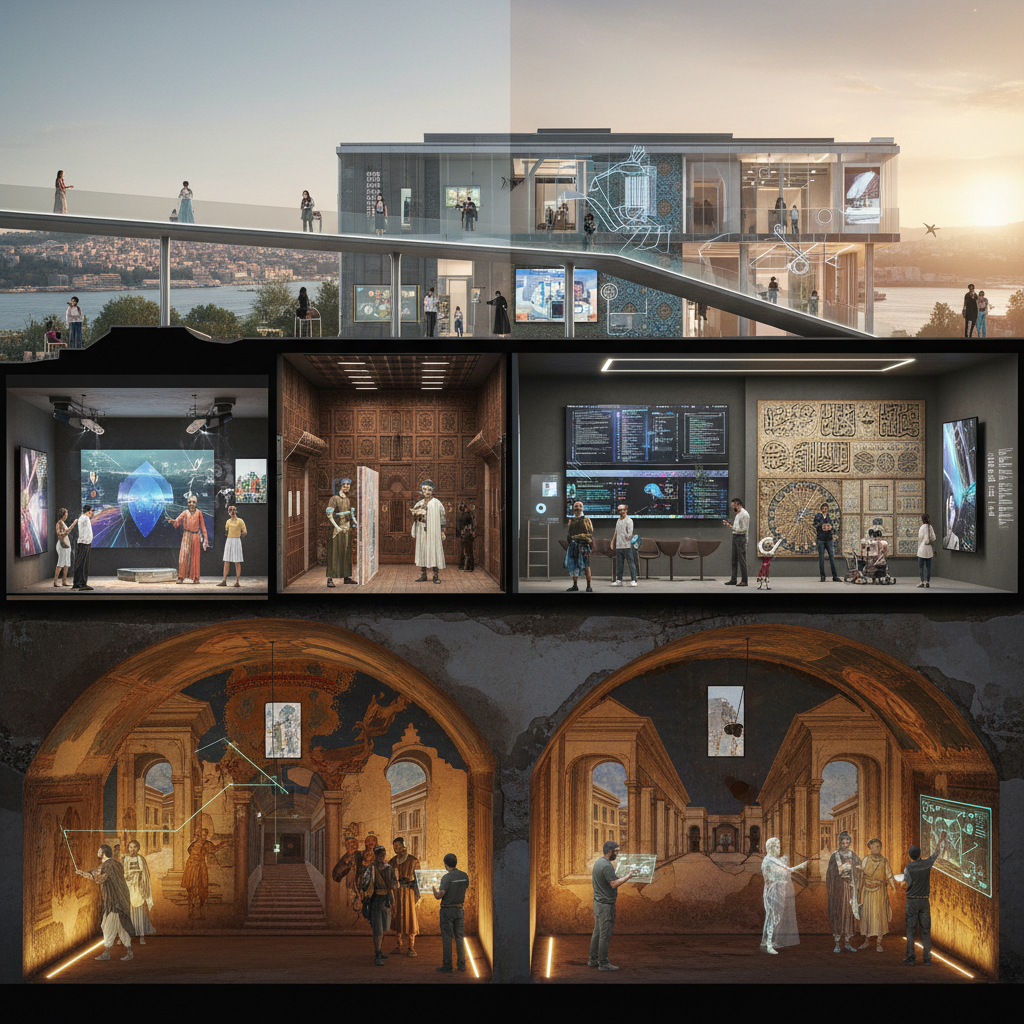
The practice of trompe l'oeil has a long and storied history, dating back to antiquity. Its application in Istanbul, however, gained significant prominence during various historical periods, influenced by both Eastern and Western artistic traditions. First, the Byzantine era saw rudimentary forms of illusionistic painting, particularly in religious iconography. Frescoes from this period often aimed to create a sense of depth and spiritual presence. As centuries progressed, and particularly with the rise of the Ottoman Empire, this art form flourished, taking on new dimensions within imperial residences and grand mosques. For a deeper dive into the city's artistic evolution, explore Istanbul's Ancient Frescoes & Modern Graffiti.
Byzantine Foundations of Illusion
- Early Christian art often employed foreshortening and perspective to enhance religious narratives.
- Mosaics in churches like Hagia Sophia, while not strictly trompe l'oeil, laid groundwork for visual manipulation.
- The goal was often to transport the viewer into a spiritual realm, blurring physical boundaries.
Ottoman Opulence and Trompe L'Oeil Art
The Ottoman Empire, known for its lavish tastes and architectural grandeur, fully embraced Istanbul trompe l'oeil art. Palaces, kiosks, and even bathhouses became canvases for artists to demonstrate their skill in creating visual deceptions. These illusions, for example, often served several purposes:
- Enhancement of space: Making smaller rooms appear larger or adding depth to corridors.
- Symbolism: Depicting paradisiacal gardens, distant landscapes, or heavenly domes on ceilings.
- Status: Commissioning intricate trompe l'oeil work was a clear display of wealth and sophistication.
Moreover, the 18th and 19th centuries, particularly during the Tulip Period and reforms, saw a significant influx of European artistic influences. This further refined and popularized trompe l'oeil techniques in Istanbul. To understand the broader architectural shifts, consider reading about Istanbul's Evolving Skyline.
Where to Discover Istanbul Trompe L'Oeil Art Today
For those eager to experience Istanbul trompe l'oeil art firsthand, the city offers numerous incredible locations. These sites showcase the diverse applications and historical evolution of this captivating art form.
Dolmabahçe Palace: A Grand Illusion
This magnificent 19th-century palace, blending Ottoman and European architectural styles, is a prime example. Its opulent interiors feature numerous trompe l'oeil ceilings and wall paintings that create illusions of intricate carvings, false windows, and endless perspectives. The grand staircase, for instance, seems to disappear into the heavens thanks to clever painting techniques. Learn more about imperial residences in Istanbul's Ancient Palaces & Forgotten Harem Stories.
Topkapi Palace Museum: Subtle Deceptions
While known more for its historical artifacts, certain sections of Topkapi Palace and its surrounding kiosks demonstrate early forms of illusionistic painting. Look closely at some of the painted decorations in smaller chambers and pavilions, where artists tried to add decorative depth. These subtle deceptions are part of the rich history of Istanbul trompe l'oeil art.
Hagia Sophia Grand Mosque: Echoes of the Past
Even after its conversion, Hagia Sophia retains vestiges of its incredible artistic heritage. While many of its original frescoes and mosaics are being restored or uncovered, the sheer scale and architectural ingenuity always played with human perception. Future restorations may even reveal earlier illusionistic elements, for example, within hidden layers. The historical significance of Istanbul trompe l'oeil art is evident here.
Beylerbeyi Palace: A Summer Retreat's Painted Wonders
Situated on the Asian side of the Bosphorus, Beylerbeyi Palace, a summer residence for Ottoman sultans, also boasts stunning trompe l'oeil elements. Its ceilings and walls often feature seascapes, pastoral scenes, and architectural exaggerations designed to enhance the palace's serene and luxurious atmosphere. This palace is another excellent example of Istanbul trompe l'oeil art.
The Techniques Behind Istanbul Trompe L'Oeil Art
Creating convincing trompe l'oeil art requires not just artistic talent but also a deep understanding of optics, perspective, and human psychology. The artists in Istanbul, drawing from various traditions, employed several key techniques.
- Linear Perspective: Creating the illusion of depth on a two-dimensional surface by converging lines towards a single vanishing point. For an excellent overview of perspective in art, check out the Metropolitan Museum of Art's guide on perspective.
- Foreshortening: Depicting objects or figures shorter than their actual dimensions to create an illusion of projection or recession into space.
- Chiaroscuro: Using strong contrasts between light and dark to create the illusion of volume and three-dimensionality.
- Anamorphosis: A distorted projection or perspective requiring the viewer to use a special device or occupy a specific vantage point to reconstitute the image. While less common historically in Istanbul, elements of this thinking influenced viewing angles. You can find more examples of anamorphosis in art on Khan Academy.
Artists often used carefully selected pigments and glazing techniques to achieve subtle shifts in color and tone, mimicking the play of light and shadow on real objects. This meticulous attention to detail is what makes Istanbul trompe l'oeil art so incredibly convincing even centuries later. Discover more about art techniques and materials in Istanbul's Ancient Colors.
Tools and Materials of the Masters
The artisans employed traditional brushes, pigments derived from minerals and plants, and various binding agents. Therefore, scaffolding, plumblines, and straightedges were essential for accurately transferring complex designs onto often vast, curved surfaces like domes. The preservation of these traditional techniques is a vital part of Istanbul's Ancient Crafts.
The Enduring Appeal of Istanbul Trompe L'Oeil Art
In an age dominated by digital realities and virtual experiences, the tangible, physical illusion of Istanbul trompe l'oeil art holds a unique charm. It challenges our perception in a delightful way, reminding us of the power of human creativity before digital tools existed. As Istanbul continues to charm millions of tourists, these hidden illusions offer a unique dimension to the standard tourist route. They encourage visitors to slow down, observe closely, and appreciate the intricate details that often go unnoticed. The enduring appeal of Istanbul trompe l'oeil art is undeniable.
Contemporary Echoes of Illusion
Beyond historical sites, modern artists in Istanbul are also experimenting with urban murals and installations that draw inspiration from trompe l'oeil. These contemporary pieces often appear in unexpected places, transforming bland city walls into vibrant, illusory landscapes. Thus, they contribute significantly to the city's dynamic art scene. For information on modern art trends, explore contemporary trompe l'oeil art on Artsy.
Preserving the Illusions for Future Generations
Efforts are continuously underway to conserve and restore these invaluable artworks. Specialist conservation teams work meticulously to repair damage from time, environmental factors, and past interventions, ensuring that the magic of Istanbul trompe l'oeil art can be enjoyed by future generations. These projects often involve extensive research into original techniques and materials.
Exploring Istanbul trompe l'oeil art is more than just sightseeing; it's an immersive experience that blurs the lines between reality and imagination. It’s a testament to Istanbul’s enduring artistic legacy, where history’s whispers are painted onto walls, inviting us to look closer and believe the impossible. Next time you wander through Istanbul’s grand palaces or ancient sites, remember to cast an eye upwards and outwards – you might just discover a breathtaking illusion waiting to surprise you. Experience the wonder of Istanbul trompe l'oeil art.